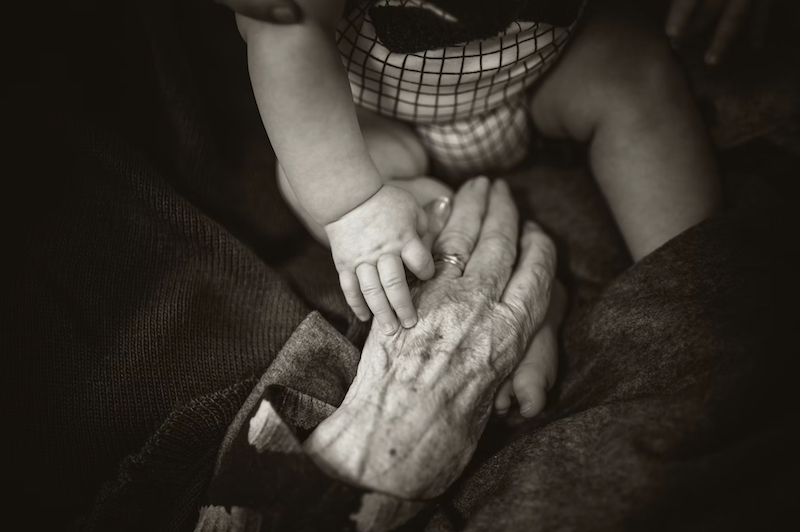
As grandmas, we cherish every moment spent with our grandchildren, watching them grow and explore the world around them. One of the greatest gifts we can give them is to foster a sense of curiosity, encouraging them to ask questions and seek out new knowledge. This natural curiosity is the foundation of lifelong learning, and nurturing it can have profound effects on their development.
The Power of Curiosity
Curiosity is more than just a desire to learn; it’s a driving force that motivates children to explore, discover, and understand the world. Research has shown that curiosity is linked to greater academic achievement and improved problem-solving skills. A study published in the Journal of Personality and Social Psychology found that children who are more curious tend to perform better in school, as their inquisitive nature drives them to engage more deeply with the material.
Why It Matters
- Enhances Learning
When children are curious, they are more likely to retain information and develop a deeper understanding of the subjects they study. Curiosity leads to active engagement, which is crucial for effective learning. - Boosts Problem-Solving Skills
Curious children are natural problem solvers. They are not afraid to ask questions and seek out solutions, which helps them develop critical thinking skills that are essential for navigating challenges throughout life. - Encourages Lifelong Learning
Fostering curiosity instills a love of learning that lasts a lifetime. Curious individuals are always seeking new knowledge and experiences, which contributes to continuous personal and intellectual growth.
How to Foster Curiosity
As grandmas, we have the unique opportunity to nurture our grandchildren’s curiosity in ways that are both fun and meaningful. Here are some research-backed strategies to help you encourage their inquisitive nature:
1. Create a Stimulating Environment
Surround your grandchild with books, puzzles, art supplies, and other materials that spark their interest. A study in the Journal of Applied Developmental Psychology found that children who have access to a variety of stimulating materials are more likely to engage in exploratory play and learning.
2. Encourage Questions
Welcome and encourage questions from your grandchild. When they ask, “Why is the sky blue?” or “How do plants grow?”, take the time to explore the answers together. This not only satisfies their curiosity but also teaches them that seeking knowledge is a valuable and enjoyable pursuit.
3. Model Curiosity
Show your grandchild that curiosity doesn’t end with childhood. Share your own interests and hobbies, ask questions, and explore new topics together. This modeling demonstrates that learning is a lifelong journey.
4. Engage in Joint Exploration
Turn everyday activities into opportunities for discovery. Whether you’re baking cookies, gardening, or going for a walk, look for ways to explore and learn together. Ask questions like, “What do you think will happen if we mix these ingredients?” or “What kinds of insects can we find in the garden?”
5. Praise Effort and Exploration
Praise your grandchild for their effort and willingness to explore, rather than just for getting the right answer. According to a study published in the Journal of Educational Psychology, children who are praised for their effort are more likely to take on challenging tasks and persist in the face of difficulties.
Practical Activities to Spark Curiosity
Here are some activities you can enjoy together that are sure to ignite your grandchild’s curiosity:
- Science Experiments: Simple experiments, like making a volcano with baking soda and vinegar, can captivate a child’s interest and teach basic scientific principles.
- Nature Walks: Explore the outdoors and observe plants, animals, and insects. Bring a magnifying glass and a notebook to document your findings.
- Reading Adventures: Choose books on a variety of topics and encourage your grandchild to ask questions and discuss what they’ve learned.
- Art Projects: Create art together using different materials and techniques. Ask your grandchild to describe their process and the choices they made.
- Museum Visits: Visit museums, science centers, and historical sites. Engage with the exhibits and encourage your grandchild to ask questions and share their thoughts.
Conclusion
Encouraging curiosity in your grandchild is one of the most impactful ways you can support their development. By creating an environment that values and nurtures their inquisitive nature, you are helping to lay the foundation for a lifetime of learning and discovery. So, embrace those “why” questions, explore new topics together, and watch as your grandchild’s curiosity blossoms into a lifelong passion for knowledge.