Disclaimer: Devoted Grandma is reader-supported. If you purchase anything through my site, I may receive a small commission (at no cost to you). Thank you.
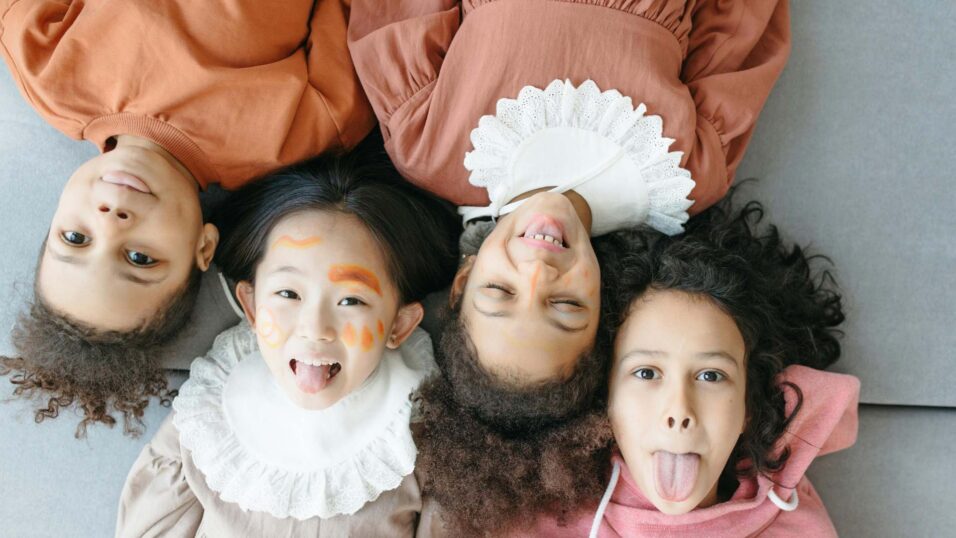
As grandmothers, we love all our grandchildren deeply, and it’s only natural to want to be fair to each of them. However, treating every grandchild exactly the same can unintentionally cause harm. Each child is unique, with different needs, personalities, and circumstances. Here are 15 dangers of treating all your grandchildren the same, along with more details to help us better understand the importance of embracing their individuality.
1. Overlooking Individual Needs
Each grandchild has unique emotional, mental, and physical needs. One child might need more hugs and attention, while another might prefer space. If we treat them the same, we might fail to meet these specific needs. For instance, a shy grandchild may need encouragement to speak up, while an extroverted one might require guidance on listening. Ignoring these differences can result in some grandchildren feeling neglected, unsupported, or even misunderstood.
2. Suppressing Their Personalities
Children develop their personalities over time, and part of that process is feeling comfortable being themselves. When we expect all our grandchildren to behave the same—whether it’s in manners, interests, or responses—we risk suppressing their individuality. For example, expecting a creative, daydreaming grandchild to behave like their more practical, academically-focused cousin can lead to feelings of inadequacy. They might start hiding parts of themselves to fit into a mold, which can damage their self-esteem.
3. Causing Insecurities
When grandchildren are treated as a collective, they may start comparing themselves to one another. A grandchild who is quieter might feel inferior if we praise a more outspoken sibling in the same way. This constant comparison can foster insecurities, making them doubt their worth because they don’t feel like they measure up to what they think is “normal.” Over time, these insecurities can affect their self-confidence and how they view themselves in the family.
4. Creating Unintentional Rivalries
No one wants to foster rivalry among siblings or cousins, but treating grandchildren the same can unintentionally create competition. If they believe they’re being compared or expected to perform at the same level, it can cause friction. A grandchild who excels in academics might start to resent a sibling who is praised for their athletic skills, especially if they’re being measured against one another. This can lead to bitterness and jealousy, driving a wedge between them.
5. Neglecting Special Interests
Children blossom when their interests are recognized and supported. One grandchild might be passionate about art, while another may love science or sports. If we take a one-size-fits-all approach, such as gifting the same toys or organizing similar activities for all, we may unintentionally dismiss their unique interests. Over time, they may feel like their passions are not important or valued, which can make them reluctant to share their hobbies or activities with us.
6. Missing Out on Deep Bonds
Building a strong bond with each grandchild requires understanding who they are as individuals. If we treat them all the same, we miss out on truly getting to know their individual hopes, dreams, and fears. Personal connections develop when we spend time catering to their distinct personalities, whether it’s playing a specific game they enjoy or having deep conversations that matter to them. Failing to do so may prevent the development of special, individual relationships.
7. Limiting Their Growth
Children grow best when they are nurtured according to their abilities and strengths. If we treat them all the same, we might fail to provide the appropriate guidance or encouragement for each one. A grandchild who is naturally more cautious may need extra encouragement to take risks, while a risk-taker might need more structure to avoid trouble. Treating them the same may limit their opportunities to grow in ways that align with their specific needs and talents.
8. Ignoring Age Differences
A grandmother’s role changes as grandchildren grow, and what works for a toddler won’t work for a teenager. If we treat all our grandchildren the same regardless of age, we risk confusing the younger ones with too much responsibility or patronizing the older ones by treating them like little kids. For example, a five-year-old will need more hands-on attention and direction, while a 15-year-old will crave independence and thoughtful advice. Failing to recognize these differences can result in frustration on both sides.
9. Reducing Their Confidence
Children need to feel seen and appreciated for who they are. When we lump them all together, they might begin to feel that their individuality doesn’t matter. If a child who struggles with math is praised the same as a sibling who excels at it, they might start to believe that their efforts don’t count, diminishing their motivation. Over time, this can chip away at their confidence, making them feel like they’ll never measure up to their more naturally gifted siblings or cousins.
10. Causing Emotional Disconnect
Grandchildren, like adults, need to feel understood. If they sense that we don’t recognize their individual thoughts, feelings, or emotions, it can create an emotional barrier. A grandchild who loves quiet, one-on-one moments might feel emotionally distant if we treat them like the more boisterous grandchild who enjoys large gatherings. This disconnect can make it harder for them to open up to us, and they might start seeking that understanding elsewhere.
11. Setting Unrealistic Expectations
Each grandchild has their own pace of development, and expecting them all to achieve milestones at the same time can lead to frustration for them and disappointment for us. For example, one grandchild might learn to read quickly, while another may struggle with literacy. If we treat them the same and expect identical progress, it can cause stress and anxiety in the child who needs more time. These unrealistic expectations can discourage them from even trying, affecting their self-esteem and growth.
12. Dismissing Special Needs
Some grandchildren may require special attention due to physical, emotional, or learning disabilities. If we treat them all the same, we might unintentionally overlook the unique care and accommodations they need. A grandchild with ADHD, for example, may require more patience and structured activities, while another with anxiety may need more reassurance and calm environments. Failing to recognize these needs can make them feel excluded, frustrated, or misunderstood, which can be harmful to their well-being.
13. Fostering Resentment
Children are very perceptive, and they know when they’re not being treated according to their individual needs. If one grandchild feels they are being forced into a one-size-fits-all approach, while another is more naturally aligned with it, resentment can build. For instance, a child who feels left out because their unique qualities aren’t recognized might become bitter, not only toward their siblings but also toward us. This resentment can lead to strained relationships and emotional distance.
14. Overlooking Cultural or Personal Preferences
In today’s world, grandchildren may have diverse cultural backgrounds, dietary restrictions, or personal preferences. Treating them all the same, without considering these factors, can be hurtful. For instance, a grandchild who practices a specific religion might feel disrespected if we don’t take their beliefs into account during family gatherings. Similarly, a vegetarian grandchild might feel ignored if we constantly serve meat-heavy meals. These oversights can make grandchildren feel like they don’t fully belong or that their preferences don’t matter.
15. Undermining Family Harmony
When grandchildren feel they’re not being treated fairly or according to their individual needs, it can cause tension not only between us and them but also among siblings and cousins. Children who feel overlooked or forced into conformity may act out, which can create conflict within the family. This disharmony can ripple out, affecting parents and other family members, and ultimately weaken the close-knit family bonds we value so much.
Conclusion: Embrace Their Uniqueness
As grandmothers, our role is to nurture each grandchild’s individual strengths, personalities, and needs. While fairness is important, true fairness means recognizing that treating them all exactly the same isn’t always the best approach. By taking the time to understand what makes each grandchild unique and tailoring our love and support to them, we can foster stronger, more meaningful relationships. After all, our love for them is endless, and embracing their individuality helps them grow into the unique people they are meant to be.