

Disclaimer: Devoted Grandma is reader-supported. If you purchase anything through my site, I may receive a small commission (at no cost to you). Thank you.
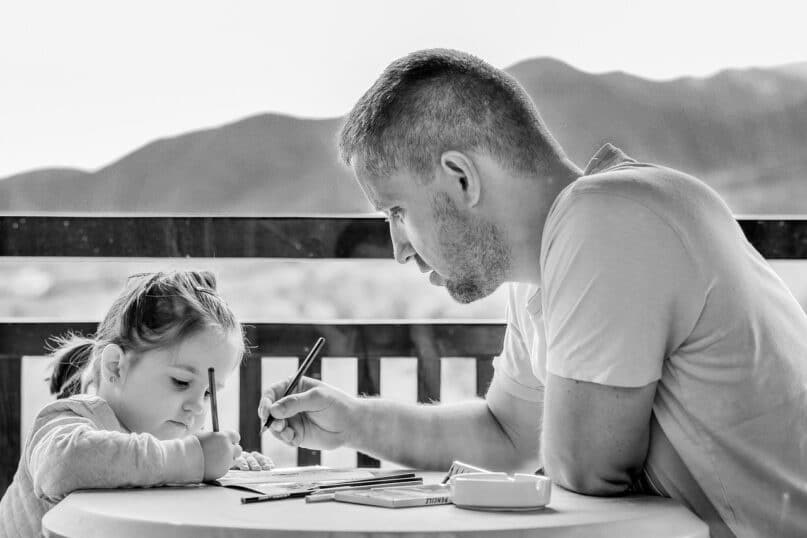
As grandmothers, we often see tiny reflections of ourselves not only in our own children, but more sweetly and unexpectedly, in our grandchildren. A tilt of the head. A certain way they laugh. Or a habit. Good or bad, that reminds us of someone in the family tree.
Our grandchildren are always watching, always listening, and always learning from the people closest to them. From the way we stir our tea to how we speak about others, little eyes and ears are soaking in more than we sometimes realize. And while their parents play a major role in shaping who they are, we grandparents leave our own special fingerprints on their character and habits, too.
Let’s take a thoughtful look at the kinds of habits—both wonderful and worrisome—that grandchildren tend to absorb from their parents and grandparents, often without anyone even trying to teach them.
🌟 Good Habits Grandchildren Easily Pick Up
These are the habits we hope stick—the ones that shape our grandkids into kind, respectful, and resilient people.
1. Kindness Toward Others
Kindness doesn’t have to be taught with a lecture. It’s shown in small acts: a parent holding the door open for a stranger, a grandparent making soup for a sick neighbor, or comforting a friend who’s having a hard day. When children witness these moments, they start to see kindness not as something special, but as something normal.
2. Politeness and Manners
Children mimic how we speak. If they see us saying “please,” “thank you,” and “excuse me” regularly, it becomes second nature to them too. Grandmothers, in particular, often get to reinforce these manners with gentle reminders at the dinner table, in shops, or when they visit friends.
3. Work Ethic and Follow-Through
When a grandchild sees their parent getting up early for work, or a grandmother finishing a project she started, they begin to understand the value of dedication. Even watching Grandpa fix something around the house or Grandma fold laundry without complaining can be an unexpected lesson in work ethic.
4. Healthy Eating and Active Living
Habits like enjoying vegetables, drinking water, stretching in the morning, or going for family walks are more likely to be picked up when children see the adults around them doing the same. A grandchild who bakes healthy snacks with Grandma or helps weed the garden is learning more than just recipes or yard work—they’re building lifelong habits.
5. Gratitude and Positive Thinking
Children learn to appreciate life when they hear adults saying things like, “I’m so thankful for this sunshine,” or “That meal was delicious.” They also pick up on how we deal with tough days. When they hear, “This day didn’t go as planned, but we’ll try again tomorrow,” they start to believe that problems don’t have to ruin everything.
6. Reading and a Love for Learning
If we always have a book nearby, talk about new things we’ve learned, or make reading together a regular ritual, children naturally lean into learning. Storytime with Grandma becomes more than just bonding, it becomes a doorway to curiosity.
7. Resilience and Emotional Control
Life throws curveballs. When our grandchildren see us handle things with calm, apologize when we’ve lost our temper, or talk through emotions in a healthy way, they learn how to regulate their own feelings. These lessons don’t happen in one conversation—they build over time through what we model.
⚠️ Bad Habits Grandkids Can Also Absorb—Without Anyone Realizing
Not all habits passed down are good. Some creep in quietly and stick longer than we’d like. That’s why awareness is so important.
1. Negative Self-Talk
Phrases like “I’m too dumb for this” or “I hate how I look” might seem harmless to an adult who’s frustrated, but when said in front of children, they can leave a mark. Kids may start using the same language about themselves or think it’s normal to dislike who they are.
2. Reacting with Anger or Frustration
Children notice not just what we say, but how we say it. If arguments in the house end in slammed doors or sharp words, they may think that’s the standard way to deal with conflict. On the other hand, seeing disagreements handled calmly teaches them how to stay respectful even when emotions run high.
3. Gossip and Criticism
If a child constantly hears adults speaking poorly of others—whether it’s a neighbor, a relative, or someone on the news—they begin to believe it’s acceptable to judge people behind their backs. They may even begin to fear being judged themselves.
4. Impatience and the Need for Instant Results
Whether it’s groaning at a long checkout line or rushing a child to hurry up, impatience teaches kids that waiting is a problem. In today’s world of fast everything, this habit can easily turn into a lack of endurance for anything that takes time or effort.
5. Avoiding Apologies
Adults who never say “I’m sorry” or who shift blame when they’ve clearly made a mistake teach children that pride matters more than peace. In contrast, when we own our mistakes—even in front of a child—we’re modeling strength in humility.
6. Disrespecting Boundaries
When we interrupt each other, scroll through phones while someone’s talking, or ignore signs of discomfort in a conversation, children pick up on it. Over time, they may develop poor listening habits or forget how to respect other people’s space and limits.
7. Overindulgence or Materialism
Sometimes, in our desire to show love, we end up showering our grandchildren with gifts, treats, or unnecessary items. While it feels good in the moment, it can shape a habit of associating love with “things” instead of connection, patience, and presence.
💡 What Can We Do as Grandmothers?
We don’t need to be perfect. In fact, being real and honest about our own flaws can be a gift to our grandchildren. But we can be intentional.
Here are some gentle ways we can help pass on the good while curbing the bad:
- Be Mindful of Our Own Habits
Sometimes the best teaching is silent. When we adjust our own habits—speaking more kindly, taking deep breaths when we’re frustrated—we become powerful role models. - Use Stories to Share Wisdom
Grandmothers have the best stories. Use them to pass on values. “I remember when I used to rush through everything… and what it cost me” can teach far more than a lecture. - Praise What You Want to See
When a grandchild behaves patiently or kindly, say it out loud. “I saw how you waited your turn—what a grown-up thing to do!” - Support Their Parents’ Efforts
Whether we agree with every parenting choice or not, backing up routines and expectations helps build consistency and encourages good habits to take root. - Talk About Habits Openly
If you notice a concerning behavior, talk gently. “You know, sweetheart, I’ve noticed you get upset when things don’t go your way. Want to talk about that?”
👵 Final Thoughts from a Grandma’s Heart
The habits our grandchildren are picking up aren’t just forming their routines—they’re forming their character. And whether they pick them up from their parents or from us, they’re always watching, always learning.
That’s a big responsibility, yes—but it’s also a beautiful opportunity. Let’s keep planting those seeds of kindness, responsibility, humility, and joy. And even if we’ve made some mistakes (as we all have), let’s remember—it’s never too late to show them a better way.
After all, our influence doesn’t end when the visit does. It echoes in their habits, in their words, and in the people they’re becoming.



