Disclaimer: Devoted Grandma is reader-supported. If you purchase anything through my site, I may receive a small commission (at no cost to you). Thank you.
When our grandchildren were little, a few weeks apart could feel like forever. As they get older, those gaps sometimes stretch into months or even years.
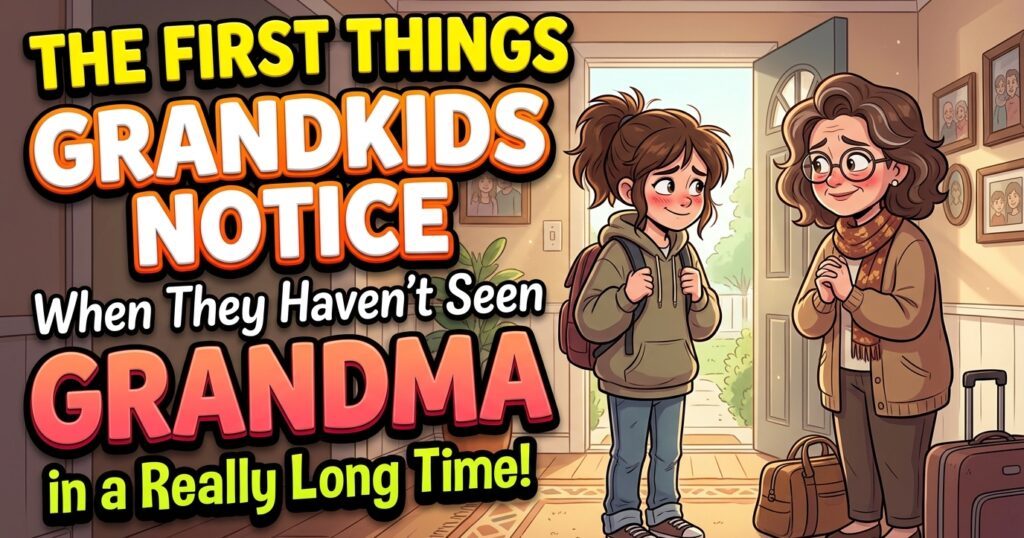
Then, finally, there they are at the door.
We notice their height, their voice, their hairstyle. We wonder when their feet got so big and how the child who needed help opening a juice box now has opinions about where everyone should park.
But while we’re taking in how much they’ve changed, they’re noticing us, too.
Some of what they notice is easy to name. Other things are more of a feeling, a quiet comparison between the grandma they remember and the grandma standing in front of them.
They may never say these observations aloud, but here are some things our grandchildren may notice when they haven’t seen us in a really long time.
1. Whether we still carry the same energy they’re used to
Were we always the grandma who filled a room with laughter? The calm one who made everything feel manageable? The lively one who began planning tomorrow’s outing before today’s was finished?
Our grandchildren may remember that feeling as clearly as they remember our faces.
When they return, they may notice whether we still have that familiar spark or whether we seem quieter, more tired, or more serious.
Of course, we’re allowed to change. Life happens to Grandma between visits, too.
But a familiar joke, a cheerful greeting, or the way we pull up a chair and say, “Now, tell me everything,” can help them recognize the energy they’ve missed.
2. Whether our excitement about seeing them still feels the same
A grandchild who used to receive an enormous welcome may quietly wonder whether they’ll still get one now that they’re older.
Will Grandma be just as pleased to see a teenager who no longer runs into her arms? What about a young adult who arrives with a partner, a suitcase, and very little time?
They may notice whether our delight still feels wholehearted.
There’s something reassuring about being welcomed warmly even after you’ve outgrown the little habits everyone once found adorable.
“I’ve been looking forward to seeing you” still means a great deal to someone who is now taller than we are.
3. How much we seem to have aged
When someone sees us often, changes happen gradually. After a long absence, those same changes can feel sudden.
Our grandchildren may notice more gray hair, a slower walk, or that we use both hands to get out of our favorite chair.
Younger children might ask about it immediately. Older grandchildren may say nothing, even while taking it in.
Sometimes, seeing those changes brings a new awareness that Grandma is getting older, too.
We don’t have to brush it away or make a joke every time. If they ask, we can answer honestly and gently, leaving room for whatever they’re feeling.
4. Whether our sense of humor is still there
They may be waiting for a certain look across the dinner table.
The raised eyebrow when somebody tells a ridiculous story. The little comment that makes everyone laugh. The terrible joke we have been telling since before they could read.
Our humor can be part of what makes us feel familiar to them.
Perhaps they’re wondering whether Grandma still laughs easily, still enjoys a bit of silliness, or still pretends she has absolutely no idea who ate the last biscuit.
That shared laugh can bring back a lovely sense of closeness, especially when everyone feels a little awkward at first.
5. Whether we still do the little things they associate with us
Do we still hum while cooking? Call everyone “sweetheart”? Keep a cardigan nearby even when the weather suggests we should reconsider?
These habits can become part of our grandchildren’s picture of us.
We might think our grandest gestures are what they remember. Yet they may walk through the door and listen for us calling from the kitchen, exactly as we always did.
“Grandma, do you still say that?” can be an affectionate discovery.
Sometimes the thing they missed was so ordinary that we never realized it belonged to their memories.
6. Whether we seem happy in our own lives
An older grandchild may notice things they were too young to think about before.
Do we still talk about friends? Have we kept up our hobbies? Do we seem interested in what’s happening around us? Is there something we’re looking forward to?
They may also notice if we seem lonely or if our conversation carries more sadness than it used to.
We don’t have to put on a cheerful performance. But sharing the ordinary pleasures in our lives gives them a fuller picture of us.
Tell them about the neighbor who makes us laugh, the plants we’re trying to keep alive, or the project currently occupying half the dining table.
7. Whether being around us still feels comfortable
They may remember our home as somewhere they could relax.
Somewhere they could be quiet without being questioned, make a mistake without hearing about it all afternoon, or admit they didn’t know something.
After a long time apart, they may notice whether that ease is still there.
Can they settle into a chair and simply be themselves? Or does every conversation seem to lead to a correction, a comparison, or a disappointed sigh?
That comfort often returns through small moments: listening without interrupting, letting a pause stay quiet, or enjoying their company without needing them to entertain us.
8. Whether we treat them like the person they’ve become
In our memories, they may still be seven, with a missing tooth and a strong attachment to a particular stuffed animal.
Meanwhile, they’ve been growing into someone with new interests, responsibilities, and opinions.
They’ll likely notice whether we make room for that.
Do we ask what they think? Let them help? Take their work or studies seriously? Listen when they explain something we don’t understand?
There’s a special kind of pleasure in discovering that Grandma still loves your younger self and is interested in getting to know your present one.
9. Whether our warmth comes with new tension
Perhaps our grandchildren remember easy conversations, but now we seem more easily irritated. Perhaps we’ve been under pressure, dealing with disappointment, or carrying worries they know nothing about.
They may notice a sharper tone or that we seem distracted even when we’re sitting together.
A little context can help without placing our burdens on them.
“I’ve had a tiring week, sweetheart. I’m glad you’re here, even if I seem a little quiet.”
That gives them a way to understand our mood without assuming they’ve done something wrong.
10. Whether the old connection still comes naturally
For the first hour, it might not.
We may both be trying a little too hard. They may have forgotten where we keep the cups. We may be unsure what to ask after “How was the journey?”
Then something small happens.
We laugh at the same thing. Start a familiar card game. Share a snack while everyone else is busy. Suddenly, the conversation becomes easier.
Our grandchildren may notice that return of closeness with relief, just as we do.
A long separation can change how a reunion begins. It doesn’t mean every bit of familiarity has disappeared.
We can give ourselves time to find each other again to notice what has changed, enjoy what is familiar, and make a few new memories.
And somewhere between the first cup of tea and the second terrible joke, they may look at us and think, There’s my grandma.