Disclaimer: Devoted Grandma is reader-supported. If you purchase anything through my site, I may receive a small commission (at no cost to you). Thank you.
There was a time when you knew exactly how to make your grandchild happy.
You brought out the crayons. You suggested a sleepover. You opened your arms, and they came running as though being hugged by Grandma was the most important thing on their schedule.
Then, somewhere along the way, things shifted.
The crayons stayed in the drawer. The sleepover invitation received a “Maybe.” And the child who once told you everything now answers “Good” when you ask about an entire week.
As grandmas, we can take these little changes personally. We wonder whether we have done something wrong or whether we have somehow become less important.
But sometimes, our grandchildren are outgrowing the familiar ways we connect with them. They still have room for us. We may simply need to get to know them again.
Here are some of the first signs you might notice—and gentle ways to respond.
1. The Things They Once Loved Doing Together No Longer Excite Them
You suggest the same outing they begged for last year, and their face barely changes.
“But you love going there!”
“I used to, Grandma.”
Those three words can sting, especially when that place holds some of your happiest memories.
Try to resist selling them on how much fun they will have. Instead, ask, “What would you enjoy doing together these days?”
They might suggest baking something different, visiting a bookstore, watching a game, or getting lunch. You can treasure the old traditions while making room for something they would choose today.
2. They Want More Say in How Visits Go
Once, you planned the afternoon, and they happily followed along. Now they want to know where you are going, how long you will stay, and whether they have to participate.
It can feel as though they are becoming difficult. But wanting a voice in your time together is understandable as they grow.
Offer a little choice: “Would you rather come over for dinner Friday or have breakfast together Saturday?”
You still get time with your grandchild, and they get to help shape it. That small adjustment can make an invitation feel much more welcoming.
3. Their Affection Becomes Less Public
The grandchild who once clung to your arm may now give you a quick wave at school pickup.
Perhaps they still enjoy a hug at home but pull away when their friends are nearby. Perhaps your favorite nickname suddenly earns a whispered, “Grandma, please.”
It hurts when a familiar expression of love becomes unwelcome. Still, avoid teasing them or announcing, “Oh, you’re too grown up for me now?”
Let them have some say in how they show affection. A quiet goodbye can still be loving, even without the bear hug you were hoping for.
4. You Hear About Important Things After They Have Happened
You used to receive reports about everything, including who borrowed the purple pencil.
Now you learn about a school project from their parent or discover they joined a club weeks ago.
You may no longer be their first audience for every piece of news. That adjustment can be painful, but questioning why they did not tell you can turn a pleasant conversation into an obligation.
Try welcoming what they do share: “I didn’t know you were interested in that. What’s it been like?”
Give them a good experience of telling you something, even when they tell you later than you would like.
5. They Begin Correcting Your Picture of Them
“I don’t like that anymore.”
“That’s not my favorite color.”
“I’m not shy, Grandma.”
We carry such vivid pictures of our grandchildren that we can forget to update them. The little girl who hid behind your chair might now love performing. The boy who adored dinosaurs might prefer cooking.
Listen when they correct you. Even a cheerful “Thanks for telling me—I’ll remember that” can mean a great deal.
They want to feel that you notice who they are becoming, especially when that person surprises you.
6. Your Advice Gets a Different Reception
Once, your suggestions seemed to solve almost everything. Now “Here’s what you should do” may bring a sigh or end the conversation.
Your grandchild might want to think aloud, complain for a moment, or make a decision independently.
Before offering a solution, try asking, “Would you like an idea, or do you want me to listen?”
And if they choose listening, honor that answer. It can be surprisingly hard to keep a perfectly good piece of grandmotherly wisdom to ourselves. But being heard may be what helps them most that day.
7. They Question Your Opinions
They disagree with your favorite movie. They challenge a family rule. They have a very firm opinion about something you have never given much thought to.
A difference of opinion can feel like a loss of closeness when you are used to being warmly agreed with.
Make space for respectful disagreement. “Tell me why you think that” can open a conversation that “You’ll understand when you’re older” would close.
You do not have to agree on everything to enjoy each other. Getting to know how they think can become a new kind of closeness.
8. They Want More Privacy Around Their Stories
A funny childhood memory that once made them giggle may now embarrass them. They might object when you share their news with a relative or post a picture.
You may think, “But I’m only sharing because I’m proud!”
Your pride is real, and their wish for privacy deserves care.
Ask before sharing photos or personal news. If a story makes them uncomfortable, retire it from public conversation. Knowing that Grandma will protect their confidence gives them a reason to keep letting her into their life.
9. They Enjoy Being Beside You Without Constant Conversation
You have been looking forward to a visit all week. They arrive, settle nearby, and seem quite content saying very little.
Naturally, you start asking questions. Then a few more. Before long, you feel like a game-show host whose contestant refuses to participate.
Try allowing some quiet. Make lunch together, take a walk, or watch something they choose.
A visit does not have to produce a meaningful conversation to be worthwhile. Sometimes the relaxed moments give them room to speak when they are ready.
10. They Notice When You Treat Them Younger Than They Are
They bristle when you order for them, explain something they already understand, or step in before they have tried.
You are used to helping. They are increasingly interested in discovering what they can manage.
Pause before taking over. Ask, “Would you like a hand?” Give them small, real opportunities to contribute, too—choosing a recipe, teaching you a skill, or organizing part of an outing.
There is something lovely about reaching the stage when your grandchild can help you as well.
These changes do not all happen at once, and a quiet visit or declined invitation does not tell the whole story. If the distance feels sudden or follows a disagreement, a gentle check-in may help: “Have I done anything that’s made being together uncomfortable?”
But when the change is simply growing up, we are allowed to miss what came before.
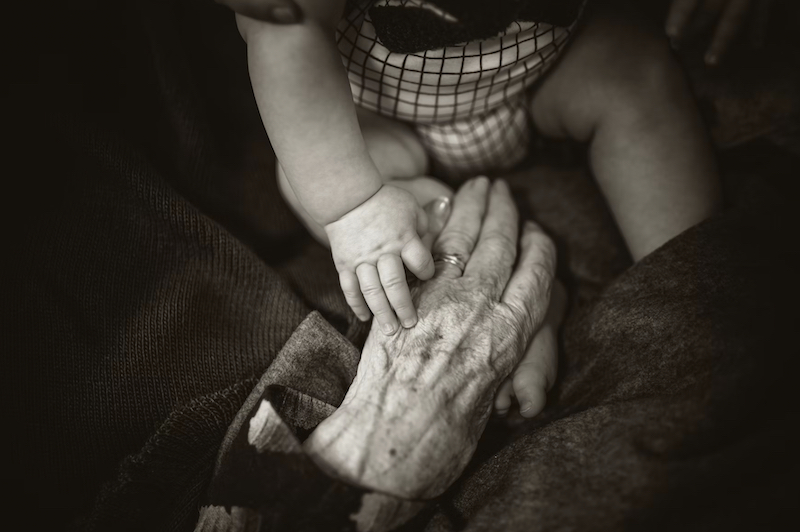
We can miss the small hand reaching for ours. We can miss being asked to read the same book six times. We can even keep the crayons.
The work is to make sure our longing for yesterday does not leave our grandchild feeling unwelcome as they are today.
There are still things to discover about each other. Still jokes you have not shared. Still traditions waiting to begin.
And sometimes, a new chapter starts with one simple invitation.
“I’d love to spend some time with you. What shall we do?”