Disclaimer: Devoted Grandma is reader-supported. If you purchase anything through my site, I may receive a small commission (at no cost to you). Thank you.
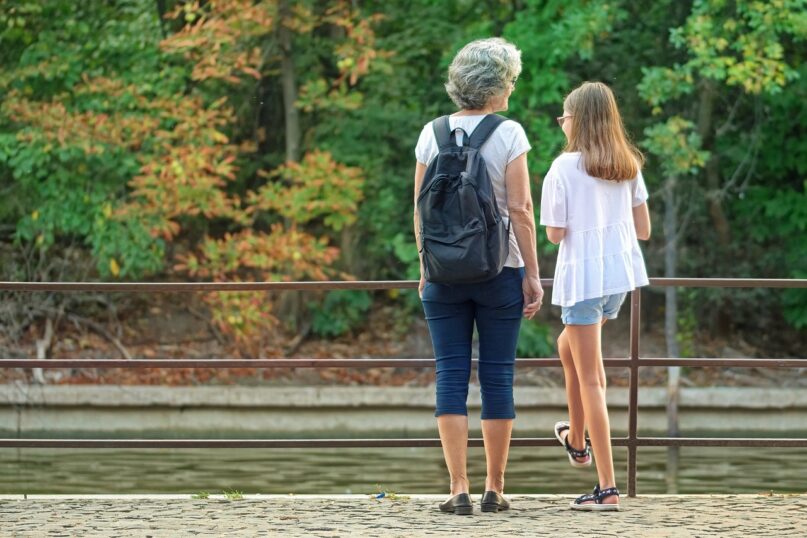
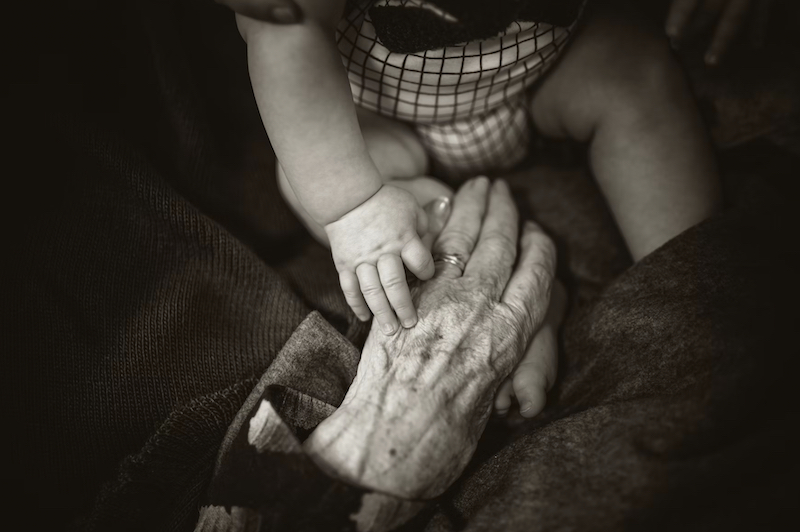
As grandmothers, we have a powerful influence over our grandchildren, whether we’re consciously aware of it or not. Every interaction, every lesson, and every habit can shape their view of the world. Here are some positive ways we can help guide them to become compassionate, confident individuals, as well as some behaviors we might want to avoid, as they can inadvertently lead them to see the world through a less hopeful lens.
Positive Ways a Grandmother’s Behavior Can Shape a Grandchild’s View of Life
- Teaching Kindness and Compassion
- When we show kindness to others, whether it’s helping a neighbor, volunteering, or even just listening to someone in need, our grandchildren see this. They learn that helping others and being considerate are valuable traits, and they carry these lessons with them as they grow up.
- Modeling Patience
- Patience is a virtue, and it’s something children often learn from watching us. By showing patience, whether in long grocery lines or when things don’t go as planned, we’re teaching our grandchildren the importance of remaining calm and composed in all situations. This can help them develop resilience and understanding.
- Encouraging a Love of Learning
- If we show a curiosity about the world, whether through reading, gardening, or trying new things, our grandchildren learn that knowledge is valuable and fun. They might develop a love of reading or an interest in exploring the world simply because they saw us doing it.
- Instilling Good Manners and Respect
- How we treat others, from the cashier at the store to our closest friends, shows our grandkids what respect looks like. When we say “please,” “thank you,” and show gratitude, we’re demonstrating the value of good manners. These little acts can make a big difference in how our grandchildren relate to others.
- Promoting Healthy Habits
- Whether it’s taking regular walks, eating balanced meals, or getting enough sleep, our behaviors around health can influence our grandchildren’s habits. By setting a good example, we can encourage them to take care of their own bodies as they grow older.
- Demonstrating Generosity
- When we are generous, whether by sharing our time, our resources, or simply our affection, we teach our grandchildren the joy of giving. This can help them develop an open-hearted approach to life, making them more willing to share and support others in need.
- Showing Perseverance and Hard Work
- When our grandchildren see us putting effort into a project or hobby, they learn the value of perseverance. Whether it’s through a job we’ve had, a volunteer project, or even completing a task around the house, they see firsthand that hard work brings satisfaction and a sense of accomplishment.
- Encouraging Creativity and Self-Expression
- Engaging in creative activities like painting, crafting, writing, or music can show our grandchildren the beauty of self-expression. They learn that it’s okay to be unique, to explore their imagination, and to value their own thoughts and ideas.
- Embracing Diversity and Open-Mindedness
- If we are open-minded and accepting of people from different backgrounds, cultures, and beliefs, our grandchildren learn to appreciate diversity. They’ll grow up understanding that there’s no single way to be or live, fostering a more inclusive and accepting worldview.
- Teaching Gratitude and Positivity
- When we make a habit of expressing gratitude for the small joys in life, our grandchildren see the importance of appreciating what they have. They may carry this positive outlook with them, learning to look for the good in every situation and find happiness in simple moments.
Negative Ways a Grandmother’s Behavior Can Shape a Grandchild’s View of Life
- Displaying Negative Self-Talk or Self-Doubt
- If we constantly criticize ourselves or put ourselves down, our grandchildren may learn to be overly critical of themselves. They might start to think it’s normal to lack confidence or to not believe in oneself, which can affect their self-esteem in the long run.
- Holding Grudges and Not Forgiving
- Children pick up on our attitudes toward forgiveness. If we are always talking about grudges or old conflicts, our grandchildren might learn to hold onto anger and resentment rather than forgive and move on. This can make it hard for them to build healthy relationships in the future.
- Engaging in Gossip or Judging Others
- If our grandchildren constantly hear us gossiping about others or making harsh judgments, they might grow up thinking it’s okay to be critical of others. They could develop a tendency to gossip themselves or to judge others harshly, which can affect their friendships and relationships.
- Reacting with Anger or Frustration
- We all get upset sometimes, but if our grandchildren see us reacting to challenges with anger, they might learn that lashing out is the way to handle stress. By managing our emotions calmly, we can show them more constructive ways to respond to challenges.
- Being Overly Critical or Demanding
- Sometimes, in our desire to see our grandchildren succeed, we may unintentionally put pressure on them. If they hear constant critiques or feel that they’re never quite good enough, they might internalize a sense of inadequacy or perfectionism that’s hard to shake.
- Displaying Pessimism or Cynicism
- If we often express pessimistic views or complain about life, our grandchildren may adopt a negative outlook as well. They might grow up feeling that life is full of problems instead of opportunities, making it hard for them to see the brighter side of things.
- Using Manipulation or Guilt
- Sometimes, without meaning to, we might manipulate or guilt our grandchildren into doing things. This can teach them unhealthy relationship dynamics and might make it harder for them to set boundaries or recognize when they’re being treated unfairly.
- Being Overly Fearful or Anxious
- If we are constantly worried about potential dangers or express fears about the world, our grandchildren might grow up feeling anxious or fearful themselves. While it’s natural to worry, excessive fear can make children see the world as a threatening place.
- Exhibiting Materialism
- If we place too much importance on material possessions, our grandchildren may start to value things over experiences or relationships. They might believe that happiness comes from having more, which can lead them down a path of constant wanting instead of feeling content.
- Avoiding Responsibility or Blaming Others
- If we often make excuses or blame others for our own mistakes, our grandchildren might adopt similar habits. This can lead to a lack of accountability and an unwillingness to own up to their actions, which can create challenges in their personal and professional lives.
Final Thoughts
It’s important to remember that none of us are perfect, and even the most loving, well-intentioned grandmothers can slip up from time to time. Our behavior, both positive and negative, leaves lasting impressions on our grandchildren. With awareness and reflection, we can strive to make more positive impacts, demonstrating values that help our grandchildren grow into resilient, kind, and well-rounded individuals.