Disclaimer: Devoted Grandma is reader-supported. If you purchase anything through my site, I may receive a small commission (at no cost to you). Thank you.
Ever feel like you and your grandkids are living in different time zones, even under the same roof?
Picture this: It’s 6 AM, and little Timmy is bouncing on your bed, full of energy. Meanwhile, you’re desperately clinging to your pillow, wondering how on earth he’s so chipper. Fast forward to 10 PM, and teenage Sarah is just hitting her stride, while you’re fighting to keep your eyes open during your favorite TV show.
Sound familiar? Well, I recently tumbled down the rabbit hole of sleep science, and let me tell you, it’s eye-opening stuff (pun intended)! Turns out, we all have our own unique sleep patterns, as individual as our fingerprints. Some of us are early birds, some are night owls, and others are, well, let’s call them “afternoon pigeons.” Here’s the kicker – understanding these chronotypes isn’t just about finally getting a good night’s sleep (though that’s a pretty sweet deal). It’s about cracking the code to family harmony! Imagine knowing exactly why your grandkids are bright-eyed at bedtime or groggy at breakfast. Better yet, imagine having the tools to work with their natural rhythms instead of against them.
As I’ve watched my grandchildren grow, I’ve realized that not all sleep advice fits every child. That’s when I discovered the fascinating world of chronotypes, and it’s been a game-changer for our family bedtimes. Buckle up, because this might just revolutionize your grandkids’ shut-eye! Ready to become the “Sleep Whisperer” of your family? Dive in.
What are Chronotypes?
Chronotypes are our body’s natural sleep-wake cycles. Think of them as your grandchild’s internal clock. There are four main types, and knowing your grandchild’s can help optimize their sleep and energy levels. Let’s explore each in detail:
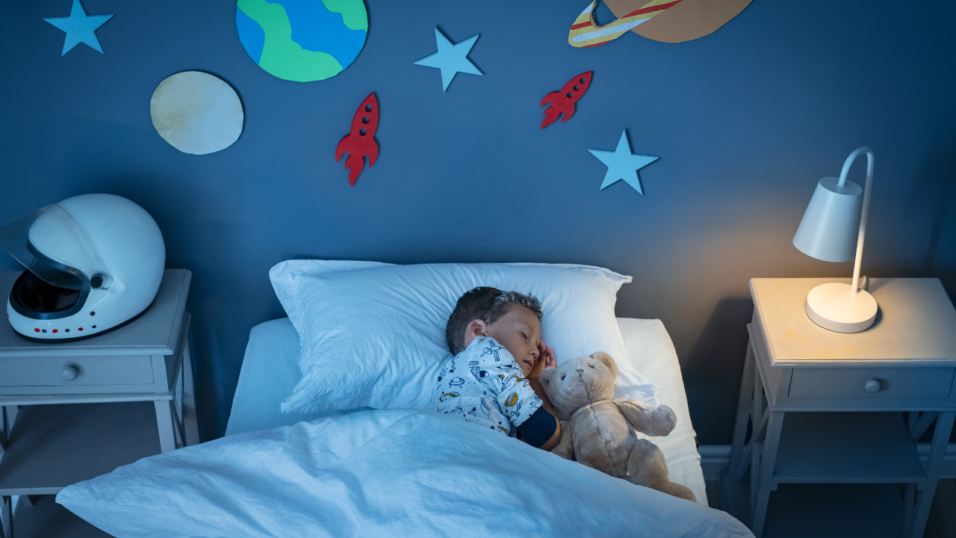
1. The Bear (Most Common)
Characteristics: Bear kids follow the sun. They wake up easily and are most energetic before noon. They tend to be agreeable and easy-going.
Sleep Schedule: Typically 8 PM – 7 AM for younger kids, 9 PM – 7 AM for older ones. Around 10 pm to 6 am for us grandmas.
Tips:
- Schedule active play and learning activities for the morning.
- Wind down after dinner with calm activities.
- Establish a consistent bedtime routine.
- Encourage outdoor time during the day for natural light exposure.
My grandson Tommy is a Bear. We’ve found that a calm bedtime routine really helps him settle down for the night. We start with a warm bath, followed by storytime with soft lighting. It’s amazing how quickly he drifts off after this routine!
2. The Lion
Characteristics: Early risers, high achievers, most alert in the morning. They’re often natural leaders and excel in sports.
Sleep Schedule: 7:30 PM – 6 AM for younger kids, 8:30 PM – 6 AM for older ones. Around 9 pm to 5 am for adults.
Tips:
- Encourage learning activities and homework early in the day.
- Schedule sports and physical activities in the morning or early afternoon.
- Avoid stimulating activities in the evening.
- Create a dark, quiet sleep environment to help them sleep past dawn.
My Lion granddaughter Emma thrives with her morning swim classes. It sets a positive tone for her whole day! We’ve learned to keep evenings low-key for her, with quiet games or reading to help her wind down.
3. The Wolf
Characteristics: Night owls, creative types, most energetic in the evening. They’re often artistic and think outside the box.
Sleep Schedule: 9 PM – 7:30 AM for younger kids, 10 PM – 8 AM for older ones. For adults and us grandmas, it would be from around midnight to 8 am.
Tips:
- Schedule creative activities for afternoons and early evenings.
- Use blackout curtains to help them sleep better in the morning.
- Allow for a slower morning routine.
- Consider negotiating a slightly later school start time if possible.
If your grandchild is a Wolf-like my grandson Alex, don’t worry if they’re not early risers – it’s just their natural rhythm! We’ve found that giving Alex time for creative projects in the evening actually helps him sleep better.
4. The Dolphin
Characteristics: Light sleepers, prone to restlessness, intelligent and perfectionist. They can be anxious about sleep.
Sleep Schedule: 8:30 PM – 6:30 AM for younger kids, 9:30 PM – 7 AM for older ones. For adults they often have irregular sleep patterns, struggling to maintain consistent sleep schedules.
Tips:
- Create a calming bedtime routine with relaxation techniques.
- Keep their bedroom cool, dark, and quiet.
- Encourage regular exercise during the day, but not close to bedtime.
- Help them manage worries with a “worry journal” before bed.
My friends Dolphin granddaughter Sophia finds that a warm bath and soft lullabies help her drift off more easily. We also introduced her to simple meditation apps for kids, which have worked wonders for calming her active mind.
Fun Fact:
Did you know that children’s chronotypes can shift as they grow? Many teens naturally become more “Wolf-like” during puberty due to hormonal changes. This is why many sleep experts advocate for later school start times for teenagers.
How to Determine Your Grandchild’s Chronotype:
- Observe their natural sleep patterns during school breaks or weekends.
- Note when they seem most alert and energetic.
- Consider their eating habits and when they get hungry.
- Pay attention to when they naturally wake up without an alarm.
- Observe their mood patterns throughout the day.
General Sleep Hygiene Tips for All Types:
- Stick to a consistent sleep schedule, even on weekends. A regular routine helps regulate the body’s internal clock.
- Create a relaxing bedtime routine. This could include reading, gentle stretching, or listening to calming music. Consistency is key!
- Keep their bedroom cool, dark, and quiet. The ideal sleep temperature is around 65°F (18°C).
- Limit screen time before bed. The blue light from devices can interfere with melatonin production. Try to cut off screen time at least an hour before bed.
- Avoid sugary snacks close to bedtime. If they need a snack, opt for something light and rich in tryptophan, like a small glass of milk or a banana.
- Encourage regular exercise, but not too close to bedtime. Physical activity can improve sleep quality when done earlier in the day.
- Create a comfortable sleep environment. Invest in a good mattress and pillows, and let your grandchild choose cozy bedding they love.
- Be mindful of noise levels. If there’s unavoidable noise, consider a white noise machine.
- Practice relaxation techniques. Teach your grandkids simple breathing exercises or progressive muscle relaxation.
- Address fears and anxieties. A favorite stuffed animal or a nightlight can help younger children feel secure.
By understanding and working with our grandkids’ chronotypes, we can improve their sleep quality, boost their energy levels, and even help with their learning and behavior. Good sleep is crucial for physical growth, emotional regulation, and cognitive development. It can improve attention span, reduce the risk of obesity, and even boost immune function.
Plus, think of how impressed your children will be when you explain chronotypes at the next family dinner! You might even inspire them to optimize their own sleep schedules. Implementing these changes might take some time and patience. Remember, you’re not just helping your grandkids sleep better – you’re teaching them valuable self-care skills that will benefit them throughout their lives.
So, my dear fellow grandmas, what chronotypes have you observed in your grandchildren? Have you noticed how it affects their daily lives? Let’s share our experiences and sleep success stories. Maybe you’ve found a particular bedtime story that works wonders or a specific routine that helps your Wolf grandchild wake up easier. Your insights could be incredibly helpful to other grandmas facing similar challenges.
Sweet dreams to all our little bears, lions, wolves, and dolphins. Here’s to making bedtime a breeze – one good night’s sleep at a time! Remember, every child is unique, and it may take some trial and error to find what works best. But with patience, love, and this newfound knowledge about chronotypes, we can help our grandkids and ourselves get the restful sleep they need to grow, learn, and thrive.