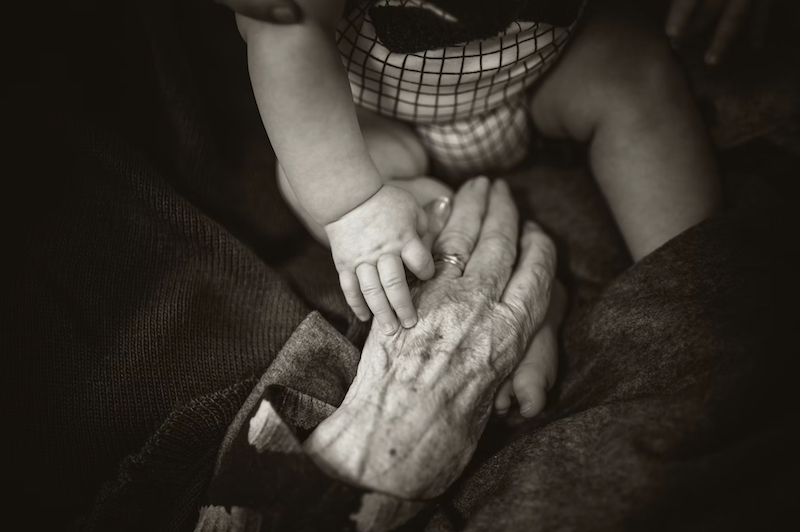
As a grandmother, I’ve come to realize that communicating with teenage grandchildren can be a delicate dance. Gone are the days of silly faces and tickle fights – now, I’m navigating a world of hormones, peer pressure, and the ever-present allure of screens. But over the years, I’ve learned a few tricks for breaking through the teenage barrier and fostering meaningful connections with my grandkids. Here are five ways I’ve learned to communicate with my teenage grandchildren.
1. Meeting Them on Their Turf: Embracing the New Ways
When I first ventured into the world of social media, I felt like a fish out of water. The hashtags, the memes, the endless sea of emoji – it was all Greek to me. But I quickly realized that if I wanted to connect with my teenage grandkids, I needed to meet them where they were: online.
I started by friending them on Facebook and following them on Instagram. At first, I’ll admit, I was a bit of an embarrassing presence – leaving lengthy comments on their posts and sharing outdated memes. But with a little guidance from my grandkids (and a lot of trial and error), I’ve learned to navigate the social media landscape with a bit more finesse.
Now, I use social media as a way to stay connected with my grandkids’ lives, even when we’re miles apart. I send them silly Snapchats, tag them in funny posts, and slide into their DMs with words of encouragement. And you know what? They actually respond! Embracing social media has opened up a whole new channel of communication with my teenage grandchildren.
2. Asking Questions, Not Lectures: The Art of Active Listening
As a grandmother, it’s easy to fall into the trap of lecturing. We have decades of life experience under our belts, and we want to impart all that wisdom to our grandkids. But I’ve learned that when it comes to communicating with teenagers, lectures are a surefire way to shut down the conversation.
Instead, I’ve learned the art of active listening. When my grandkids come to me with a problem or a story, I resist the urge to jump in with advice or judgment. Instead, I ask questions – genuine, curious questions that show I’m interested in their perspective.
“How did that make you feel?” “What do you think you’ll do next?” “Can you tell me more about that?” By asking questions and truly listening to their responses, I create a safe space for my grandkids to open up and share their thoughts and feelings. And in doing so, I build trust and strengthen our bond.
3. Finding Common Ground: Bonding Over Shared Interests
It’s no secret that teenagers and grandparents often have different interests. While I’m content to spend my afternoons knitting and watching “Murder, She Wrote” reruns, my grandkids are more interested in TikTok and Fortnite. But I’ve learned that finding common ground is key to building a strong relationship with my teenage grandchildren.
I make an effort to learn about their interests, whether it’s a new music artist they’re obsessed with or a hobby they’re passionate about. I ask them to teach me about the things they love, and I approach the conversation with genuine curiosity and an open mind.
And you know what? I’ve discovered that we have more in common than I ever realized. It turns out that my love of mystery novels translates well to a shared interest in true crime podcasts. And my grandson’s passion for photography has given us a new way to bond over our love of capturing the beauty of the world around us.
By finding common ground and taking an interest in my grandkids’ passions, I’ve been able to foster deeper, more meaningful conversations and create lasting memories together.
4. Sharing Stories, Not Comparisons: The Power of Vulnerability
As grandparents, it’s natural to want to share our own experiences and offer advice based on what we’ve been through. But I’ve learned that when it comes to communicating with teenagers, comparisons can be counterproductive.
Telling my granddaughter, “When I was your age, I never would have worn something like that,” or comparing my grandson’s struggles to my own teenage years only serves to create distance and make them feel misunderstood.
Instead, I’ve learned to share my own stories with vulnerability and honesty. I tell them about the times I struggled, the mistakes I made, and the lessons I learned. I share my own fears and insecurities, and I let them see that even though I’m their grandmother, I’m also human.
By sharing my stories with openness and authenticity, I create a space for my grandkids to do the same. They see that they’re not alone in their struggles, and they feel more comfortable coming to me with their own challenges and triumphs.
5. Embracing the Silence: The Importance of Simply Being Present
Finally, I’ve learned that sometimes the most powerful communication with my teenage grandchildren happens in the silence. In a world that’s always buzzing with noise and distraction, simply being present with my grandkids can be a powerful way to show my love and support.
I’ve learned to sit with them in comfortable silence, whether we’re watching a movie, taking a walk, or just sitting in the same room. I resist the urge to fill the quiet with chatter or questions, and instead, I let the stillness speak for itself.
In those moments of silence, I communicate my love and acceptance in a way that words cannot. I show my grandkids that I’m here for them, no matter what, and that they don’t need to perform or entertain to earn my affection.
Communicating with teenage grandchildren is an art, not a science. It requires patience, flexibility, and a willingness to step outside of our comfort zones. But by embracing the world of social media, asking questions, finding common ground, sharing stories with vulnerability, and embracing the power of presence, I’ve been able to foster deeper, more meaningful connections with my teenage grandkids.
And at the end of the day, that’s what it’s all about – building relationships that will last a lifetime. So to all the grandparents out there navigating the tricky waters of teenage communication, I encourage you to keep trying, keep learning, and keep showing up. Your grandkids may not always say it, but your presence in their lives matters more than you know.