Disclaimer: Devoted Grandma is reader-supported. If you purchase anything through my site, I may receive a small commission (at no cost to you). Thank you.
There’s a certain look a grandchild can give you that makes every sensible thought leave your head.
You know the one. The hopeful eyes. The little smile. The “Pleeeease, Grandma?” that somehow has seven extra syllables.
And goodness, saying yes can feel wonderful. We get the happy face, the excited hug, and the pleasure of being someone who makes their day better.
But sometimes we say yes because saying no feels uncomfortable. We don’t want an argument. We don’t want to disappoint them. And we certainly don’t want to waste our precious time together being the grandma who says, “Absolutely not.”
Still, a loving relationship needs room for an honest no.
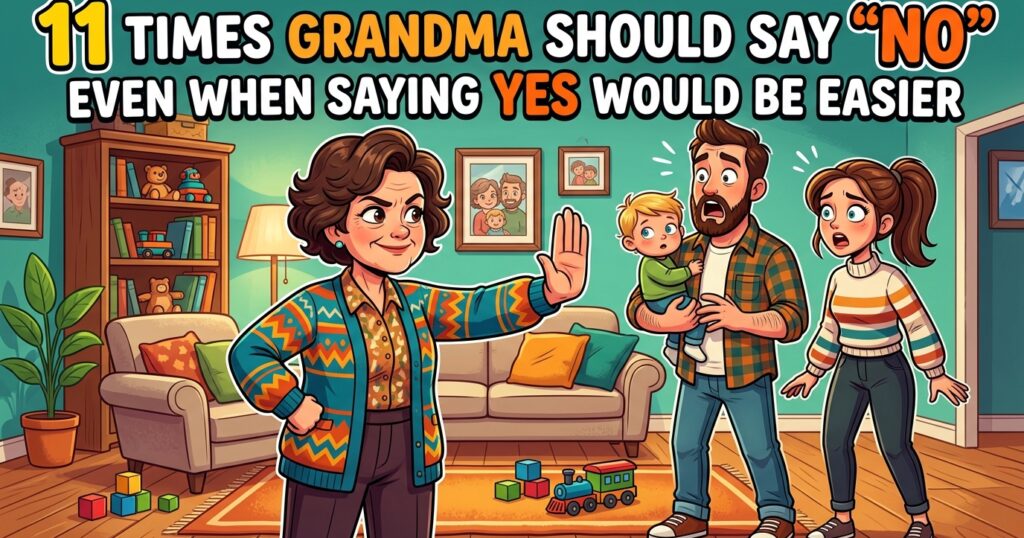
Here are 11 times it’s worth saying even when yes would be much easier.
1. When they ask you to sneak around their parents’ rules
“Mom said I can’t, but she doesn’t have to know.”
Oh, that sentence can put Grandma in quite a spot.
Perhaps you think the rule is too strict. Perhaps it’s something you happily allowed your own children to do. But secretly overturning an everyday parenting decision can create trouble long after your grandchild has enjoyed the extra screen time or forbidden treat.
You can hear them out without becoming their partner in sneaking.
Try: “I know you’re disappointed, sweetheart. But I’m not going to go behind your parents’ backs. We can ask them about it together.”
2. When the gift would strain your budget
Their birthday wish may be perfectly understandable. That doesn’t mean you can afford it.
Grandchildren don’t always know what groceries, electricity, and everyday life cost. And they don’t need Grandma quietly worrying about a bill because she wanted to produce a spectacular birthday reaction.
You can be honest without making them feel guilty for asking.
Try: “That’s more than I can spend, love. Let’s think of something special that fits my budget.”
You don’t have to apologize for having financial limits. A smaller gift can still be chosen with enormous care.
3. When you’re too tired to give the care they need
You love your grandchildren. You may also need an afternoon in which nobody asks you to locate a shoe.
Both can be true.
If you’re exhausted, unwell, or simply stretched too thin, agreeing to babysit can leave you struggling through something that needs your full attention.
Whenever possible, give a clear answer early, so their parents can make other arrangements.
Try: “I can’t babysit tomorrow. I need a day to rest. I could help on Saturday afternoon, though.”
Only offer that alternative if you actually have the energy. Rest doesn’t have to be earned by promising another favor.
4. When they want you to do something they can learn to do themselves
It’s quicker to zip the coat, pack the bag, or finish the tricky part of the project.
And watching a grandchild struggle can make our helpful hands practically twitch.
But when we step in every time, they lose opportunities to discover what they can manage.
Consider their age and abilities, and offer enough support to help them keep going.
Try: “I won’t do the whole thing for you, but I’ll sit beside you while you try.”
Sometimes Grandma’s most useful job is staying nearby while a grandchild figures something out.
5. When they expect you to accept hurtful behavior
A grandchild can be angry, disappointed, or having a thoroughly miserable day. You can make room for those feelings while setting limits on what happens next.
You don’t have to laugh off insults to seem easygoing. You don’t have to allow hitting because you’re worried that setting a boundary will upset them further.
Keep your response calm and specific.
Try: “You can tell me you’re angry. I won’t let you hit me.”
Or: “I want to hear what bothered you. Let’s take a break and talk without calling each other names.”
Their feelings matter. So does how you are treated.
6. When saying yes would mean ignoring safety
“Just this once” can sound very convincing when everyone is having fun.
One ride without the proper restraint. One activity that’s beyond what you can safely supervise. One shortcut because stopping to do things properly feels inconvenient.
This is a time for a steady answer, even if you become the least popular person in the room for five minutes.
Try: “No, sweetheart. We can go when we can do it safely.”
You don’t need to turn it into a frightening lecture. Explain the limit, offer a safe option when there is one, and follow through.
7. When they ask you to keep a secret about someone being hurt
A surprise birthday present is one thing. A secret involving harm, threats, or feeling unsafe is another.
If your grandchild starts with, “Promise you won’t tell anyone,” resist making a promise before you know what they need to share.
Try: “You can tell me anything. I’ll listen, and I’ll take you seriously. If someone is being hurt, we may need help from someone who can keep you safe.”
If help is needed, explain what you’re going to do and involve them as much as possible. They should feel supported through that next step.
8. When they want you to take sides in a family disagreement
Sometimes a grandchild needs to complain about a sibling or parent. Listening can be a kindness.
But you don’t have to agree that their sister is “the worst” or that their dad “never cares.” You may be hearing one painful piece of a much bigger story.
Try: “I can hear how upset you are. I’m not going to call your sister names, but I’ll help you think about what to say to her.”
You can take their experience seriously without joining the argument.
9. When they want access to something precious or private
Being a generous grandma doesn’t mean everything you own must be available for borrowing, touching, or exploring.
You’re allowed to keep your jewelry put away. You can have a drawer that stays closed, a phone they don’t browse through, or a fragile keepsake that isn’t a toy.
Try: “That one is special to me, so it stays here. Let’s find something you can use.”
They may not understand the importance of that little object yet. Your gentle boundary gives them practice respecting things that matter to someone else.
10. When you’re being asked to give up your own plans again
Occasional changes are part of family life. But if your appointments, friendships, and quiet afternoons are always the first things canceled, it may be time to pause before agreeing.
Your time has value even when your calendar doesn’t look busy to anyone else.
Try: “I already have plans that afternoon, so I’m not available.”
You don’t need to prove that your plans are important enough. Being a loving grandmother can include helping often and still having a life you enjoy.
11. When you’re saying yes because you’re afraid they’ll love you less
This can be the hardest one to admit.
Perhaps visits are rare. Perhaps your grandchild is growing older and reaching for you less often. Perhaps another grandparent seems to have more money, more energy, or a much better snack cupboard.
So you agree to something you don’t feel good about, hoping it will keep you close.
Before answering, ask yourself: “Would I still say yes if I weren’t afraid of disappointing them?”
If the answer is no, give yourself permission to hold the boundary.
Try: “I know that isn’t the answer you wanted, sweetheart. My answer is still no, and I’m still looking forward to our time together.”
A grandchild may sigh, complain, or need a little space after hearing no. You can let them have that reaction without immediately changing your answer.
Keep your voice warm. Keep your explanation simple. And when the disappointment passes, carry on being Grandma.
There’s still a story to hear, a game to play, or a place beside you on the sofa. Your love is still there, even when the answer is no.