
Disclaimer: Devoted Grandma is reader-supported. If you purchase anything through my site, I may receive a small commission (at no cost to you). Thank you.
There was a time when a visit from Grandma could turn an ordinary afternoon into a celebration. They ran toward us, handed us something sticky, and immediately began explaining a game with fourteen rules they had just invented.
Then, somewhere along the way, things shifted.
The hugs became quicker. Friends entered the picture. The child who once told us everything started answering questions with “Not much.”
As a grandmother, I understand why those changes can sting. We can be delighted that our grandchildren are growing up and still miss the little people they used to be.
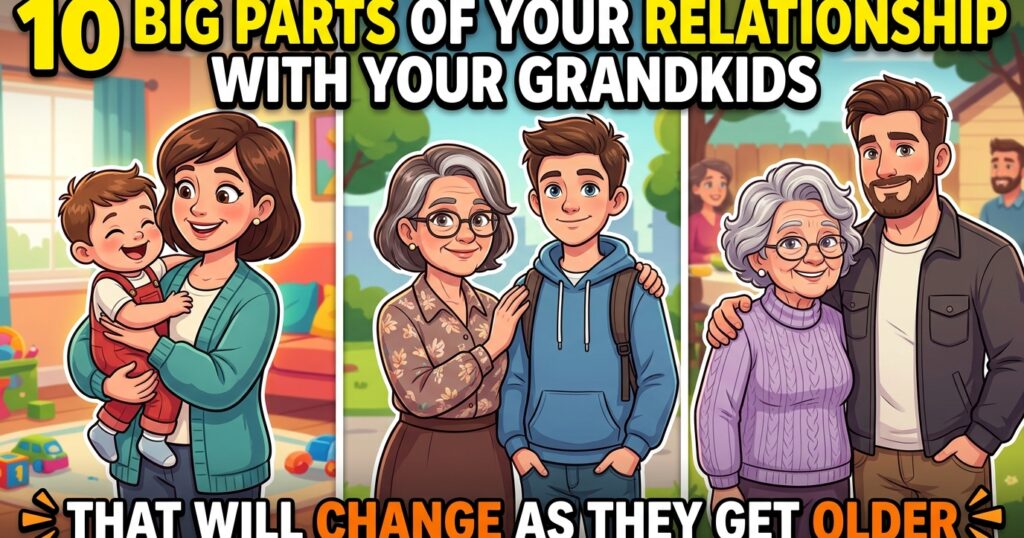
Every grandchild grows differently, but our relationships cannot stay exactly the same while they change. Here are ten big parts we’ll need to make room for and ways to keep finding each other along the way.
1. How They Show Their Love
Little children often make their affection wonderfully obvious. They climb onto our laps, draw us with enormous heads, and announce that they want to live with us forever.
Older grandchildren may be less demonstrative, especially around friends.
Their affection might arrive as a funny video, an offer to carry our groceries, or a quiet seat beside us after everyone else has left.
I try to remember that love doesn’t always keep the same habits.
Welcome the affection they offer without making them perform the affection you remember. “It’s lovely to see you” leaves more room for closeness than “You never give Grandma proper hugs anymore.”
2. How Much of Their Time We Get
When they’re small, their parents usually arrange our visits. As they grow, schoolwork, friendships, activities, jobs, and romantic relationships start competing for the same hours.
Eventually, even a grandchild who adores us may struggle to find a free weekend.
That can hurt, especially when we’ve been looking forward to seeing them all week.
But making every visit a discussion about how rarely they come can make the next visit feel harder.
Offer manageable invitations: “Would you like to come for breakfast Saturday?” A short, happy breakfast can do more for our connection than an afternoon spent explaining our disappointment.
3. What They Want to Tell Us
A young grandchild may share every detail of a playground disagreement before taking off their shoes.
An older one may have friendships, worries, and feelings they want to keep private.
We won’t always hear everything first. Sometimes we won’t hear about something at all.
Our job is to make sharing feel safe. That means resisting the urge to interrogate, tease, or repeat personal information to the family.
Try saying, “You don’t have to tell me every detail, but I’m here if you want someone to listen.”
Then allow that invitation to stand without asking the same question three different ways.
4. How They Receive Our Advice
When they’re little, we teach them how to crack an egg or button a coat. Helping is woven into almost everything we do.
As they grow, advice becomes more complicated.
What sounds caring to us may sound like doubt to them: “Have you thought this through?” can land as “I don’t trust your judgment.”
I’m learning that knowing something useful doesn’t always mean I need to say it immediately.
A simple question helps: “Would you like my thoughts, or would you rather I just listen?”
Giving them a choice makes our wisdom easier to welcome when they do need it.
5. The Things We Enjoy Together
There may come a day when the craft cupboard stays shut, and our favorite board game receives a polite shrug.
It’s easy to take that personally. We remember how happy those activities made them and us.
But shared interests need room to grow.
Perhaps baking becomes trying a new restaurant. Story time becomes discussing a book. An afternoon of toys becomes a walk, a small repair project, or a television series we both enjoy.
Ask, “What would you like us to do together?”
And occasionally let them introduce something completely unfamiliar. Grandma can survive learning a new game, even if she spends the first ten minutes walking into a virtual wall.
6. How They See Us
Small grandchildren can believe we know practically everything.
Older grandchildren eventually discover that we have opinions, blind spots, bad moods, and trouble remembering which remote controls the television.
They may question things we say. They may disagree with traditions we thought everyone enjoyed.
It can feel unsettling to step down from that little pedestal.
Yet being known as a real person creates its own closeness. We can say, “I was wrong about that,” or “I hadn’t considered it that way.”
We don’t have to be flawless to remain someone they respect and love.
7. Our Place in Their Wider World
As children grow, their circle expands. Friends, teachers, mentors, partners, and eventually children of their own may become central to their lives.
We may no longer be the person they’re most excited to see at every gathering.
That doesn’t make our place meaningless.
Take an interest in the people who matter to them. Remember a friend’s name. Welcome a partner with curiosity. Ask about the coworker who helped them through a difficult week.
Our relationship has more room to grow when they can bring their changing world into it without feeling they must defend that world first.
8. What Our Traditions Look Like
The grandchild who once wore matching Christmas pajamas with enthusiasm may eventually request a little mercy.
Holiday schedules become complicated. Families move. Work shifts interfere. Adult grandchildren may need to divide celebrations between several households.
Some traditions will survive beautifully. Others will need adjusting.
Ask which ones still matter to them. Their answer may surprise you.
Perhaps they don’t care about the formal meal but desperately want to keep making your cinnamon rolls.
Holding onto the part everyone loves can preserve the warmth of a tradition while allowing its details to change.
9. The Kind of Help They Need
Early on, our help is practical and constant: opening juice boxes, tying shoes, finding the missing stuffed rabbit.
Later, their problems become less easy to fix.
We cannot arrange away every disappointment or make every difficult decision for them. Sometimes our most useful contribution is a calm conversation, a meal, or help they’ve specifically requested.
“I know you can handle this, and I’m here if you need support” offers both confidence and care.
And when they become adults, we may need to respect decisions we wouldn’t make ourselves. Staying close does not require agreeing on every choice.
10. How Much They Can Give Back to Us
One of the sweetest changes is watching care begin to travel both ways.
They may teach us something, check that we arrived home safely, cook us dinner, or ask questions about our childhood with real interest.
Let them contribute.
We can accept help without apologizing for needing it and share stories without turning every conversation into a lesson.
We should still keep adult support around us, so our grandchildren don’t feel responsible for our happiness. But there is something lovely about discovering that the child whose hand we once held can now offer us a steady arm.
I suspect part of being a grandmother is learning to say goodbye to little stages without saying goodbye to closeness.
We can miss the lap-sitting years. We can keep the crooked drawings and remember the voice that called us from the next room.
And we can keep getting to know the person standing in front of us today.
They still have things to tell us, things to teach us, and new ways to love us. Our relationship deserves the chance to grow up with them.



