
Disclaimer: Devoted Grandma is reader-supported. If you purchase anything through my site, I may receive a small commission (at no cost to you). Thank you.
Sometimes, being Grandma means knowing things other people don’t.
We hear about the crush, the friendship trouble, the disappointing grade, or the dream they’re almost too shy to say out loud. Those little conversations can make us feel wonderfully close to our grandchildren.
But being trusted with a story doesn’t automatically give us permission to tell it.
I think most of us share with good intentions. We’re proud. We’re worried. We’re chatting with someone who loves them, too. Before we know it, something whispered over a kitchen counter has become a topic at Sunday lunch.
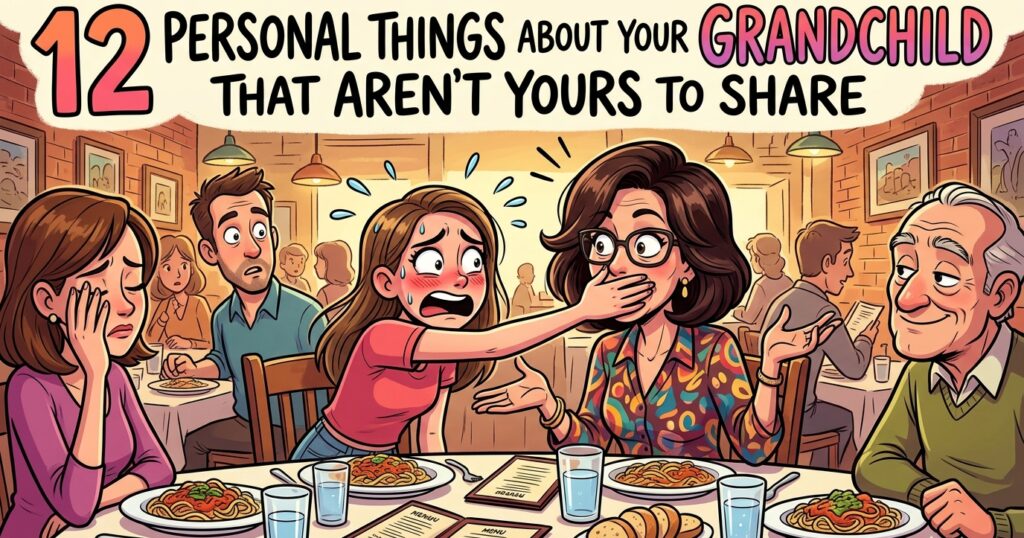
And our grandchild is sitting there thinking, I thought that was just between us.
They shouldn’t have to say “Please don’t tell anyone” every time they share something personal. Here are 12 things worth treating with extra care.
1. Their Crushes and Romantic Feelings
Your grandchild mentions that someone in their class has a lovely smile. Suddenly, every family visit comes with, “How’s your little boyfriend?”
Adults may find it adorable. Your grandchild may find it mortifying.
Even a playful wink across the dinner table can make them regret opening up. And as they grow older, details about dating, breakups, or who they’re attracted to deserve the same respect.
Let them decide who knows. Grandma can enjoy being trusted without turning their feelings into family entertainment.
2. The Grades They’re Disappointed About
A poor test result can feel enormous to a child who tried hard. Having it discussed with cousins, neighbors, or everyone at church adds another layer of embarrassment.
Even saying, “We’re all worried about his math,” can reveal something he wasn’t ready to share.
You can encourage them, help them practice, and work with their parents when appropriate. But a difficult school week doesn’t need an audience.
Their report card is information about their learning, not a conversation starter.
3. Changes Happening to Their Body
Their first period. A changing voice. Acne. Body hair. The need for a first bra.
These may seem like ordinary milestones to us, but they can feel deeply personal to the child experiencing them.
“Well, everyone goes through it!” doesn’t make a public announcement less embarrassing.
Offer help quietly. Buy what they need without making a production of it. Let them ask questions without worrying that their questions will be repeated.
Growing up is awkward enough without Grandma providing the commentary.
4. Their Health Information
A diagnosis, medication, therapy appointment, or ongoing symptom belongs to your grandchild’s private life.
Even a loving request for prayers can spread information they would rather keep within a small circle.
Before sharing, ask what they’re comfortable with others knowing. Depending on their age, involve their parents in that conversation, too.
You may be able to say, “Our family would appreciate your prayers,” without explaining whose appointment it is or what it concerns.
Care doesn’t always require details.
5. The Fears They Admit When They Feel Safe
Perhaps they’re afraid of sleeping alone. Perhaps they worry about being left out, disappointing their parents, or starting somewhere new.
Those fears deserve a gentle response, not a future punchline.
“Oh, she’s scared of absolutely everything!” might sound harmless to an adult. To a child, it can sound like a reason never to confide again.
And please don’t assume a fear becomes fair game once they outgrow it. They may still dislike hearing about it years later.
6. The Friendship Trouble They’re Still Sorting Out
Children sometimes tell us about a friendship problem while they’re still figuring out how they feel.
By Friday, the friend who “will never speak to me again” may be sharing their lunch.
If we’ve already spread the story, our grandchild now has to manage everyone else’s questions and opinions, too.
Listen before turning their troubles into a family discussion. Ask whether they want comfort, advice, or help taking action.
If bullying or safety is involved, get appropriate support while keeping the details limited to the people who need them.
7. The Mistakes They’ve Confessed
It takes courage to say, “Grandma, I did something wrong.”
Perhaps they lied, broke something, or said something unkind. They may need guidance, consequences, and help putting things right.
What they don’t need is for that confession to become a permanent family story.
There is a difference between involving a parent who needs to know and telling relatives who are simply curious.
We can hold grandchildren accountable while still protecting their dignity. A mistake should be something they learn from, not a nickname they carry.
8. Their Private Questions About Who They Are
Growing up brings questions about beliefs, identity, belonging, and the kind of person they want to become.
Sometimes a grandchild speaks to us because they need room to think aloud.
That conversation isn’t permission to announce, “You won’t believe what she told me.”
You don’t have to understand everything immediately to respond kindly. You can listen, ask thoughtful questions, and give them space to find their own words.
Let them lead decisions about sharing personal parts of themselves, unless there is a genuine safety concern.
9. The Dreams They Aren’t Ready to Announce
Perhaps they want to audition, change their college plans, start a business, or apply for a job nobody expects.
Our excitement can send us straight to the family group chat.
But an early dream may need a little privacy. They might want to explore it before answering questions or hearing everyone’s advice.
Try asking, “May I tell people, or would you like to keep this between us for now?”
Being their biggest supporter sometimes means cheering quietly until they’re ready.
10. Their Money and Work Struggles
Adult grandchildren deserve privacy, too.
Their salary, debt, job loss, rejected application, or request for financial help shouldn’t automatically become family knowledge.
If you help with groceries or a bill, protect that moment. Assistance can feel much less comforting when it comes with the possibility of public embarrassment.
Giving money doesn’t purchase the right to share their circumstances.
You can be pleased that you were able to help without telling anyone why they needed it.
11. Their Embarrassing Photos and Personal Messages
A photo can be precious to Grandma and painfully embarrassing to the person in it.
The same goes for screenshots of heartfelt texts, videos of emotional moments, and stories about something they did when they were little.
Before posting or forwarding, ask. Be specific about the photo and who will see it. Permission to send it to one relative isn’t permission to put it online.
If they say no, accept it warmly. They shouldn’t have to defend their privacy to protect your feelings.
12. The Difficult Feelings They Have About Family
A grandchild might admit that a parent hurt their feelings, a cousin makes them uncomfortable, or a family gathering leaves them overwhelmed.
Resist the urge to repeat their words immediately to everyone involved.
Sometimes they need help deciding what to say. Sometimes they simply need someone to hear them without starting an argument on their behalf.
You can ask, “Would you like me to help you talk to them?”
If they describe harm or danger, seek appropriate help. Protecting privacy should never mean leaving a child unsafe.
One question can prevent a great deal of hurt
Before sharing something personal, pause and ask yourself, Is this my story to tell?
When you’re unsure, ask your grandchild. If you’ve already shared too much, apologize plainly: “That was yours to share, and I should have asked. I’m sorry.”
We won’t get every conversation right. But we can keep showing our grandchildren that their feelings matter and their trust matters.
I want my grandchild to leave our conversations feeling lighter, not wondering who will hear about them next.
Sometimes, one of the most loving things Grandma can do with a story is keep it close.



