
Disclaimer: Devoted Grandma is reader-supported. If you purchase anything through my site, I may receive a small commission (at no cost to you). Thank you.
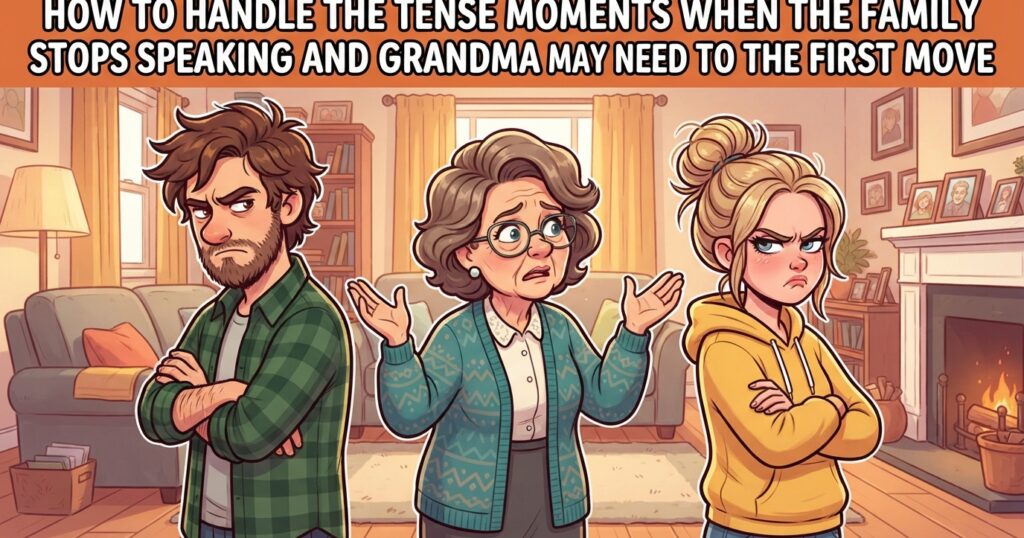
Few things hurt a grandmother more than watching her family stop speaking to one another. One disagreement becomes a week of silence. A misunderstood comment turns into missed phone calls. Before long, holidays feel awkward, family gatherings become smaller, and everyone waits for someone else to make the first move.
Grandma may not have caused the disagreement. She may even feel that she is the one who deserves an apology. Yet sometimes, because of her unique place in the family, she may be the person best able to reopen the door.
Making the first move does not mean taking all the blame. It simply means deciding that restoring peace matters more than protecting your pride. Here is how Grandma can handle these tense moments with wisdom, patience, and love.
1. Calm Yourself Before Reaching Out
When emotions are still running high, it is easy to say something that adds another layer to the problem. Before calling, texting, or visiting, give yourself enough time to settle down.
You might pray, take a walk, write your feelings in a journal, or talk with one trustworthy person who will not spread the story. Ask yourself what you genuinely hope to achieve. Is your goal to prove that you were right, or is it to understand one another and begin repairing the relationship?
You do not have to wait until you feel no hurt at all. However, you should be calm enough to listen without immediately becoming defensive.
2. Do Not Wait for the Perfect Moment
Silence can become harder to break the longer it continues. After several weeks, both people may want to reconnect but feel too embarrassed or stubborn to reach out.
There may never be a perfect time or a perfect opening sentence. Sometimes Grandma simply has to pick up the phone and say, “I don’t like how distant we have become. I love you, and I would like us to talk when you are ready.”
That small step may be all the other person needs to lower their guard.
3. Begin With Love, Not an Accusation
The first words matter. Starting with “You have ignored me for two weeks” will probably make the other person feel attacked. Starting with “I miss you, and I hate that things feel uncomfortable between us” creates a much gentler opening.
Lead with the relationship rather than the argument. Remind them that they matter to you before discussing what went wrong.
You might say:
“I know we have both been hurt, but I love you too much to let silence speak for us.”
A peaceful beginning does not guarantee an easy conversation, but it makes one much more possible.
4. Take Responsibility for Your Part
Family disagreements are rarely completely one-sided. Even if Grandma did not start the conflict, she may have interrupted, assumed the worst, repeated something private, raised her voice, or refused to listen.
An honest apology can be powerful:
“I am sorry for the way I spoke to you. I was upset, but that does not excuse my words.”
Avoid apologies that secretly place the blame back on the other person, such as, “I’m sorry you were offended,” or, “I’m sorry, but you made me angry.” A sincere apology names what you did without adding an excuse.
Taking responsibility for your part does not mean accepting responsibility for everything.
5. Listen to Understand Their Hurt
Grandma may be eager to explain what she meant, but the other person may first need to explain how the situation felt to them. Let them finish, even if you disagree with parts of their version.
Try saying, “I want to understand. Tell me what hurt you most.”
Listening does not mean agreeing with every accusation. It means showing enough respect to hear their experience. People are often more willing to listen to your side after they feel heard themselves.
6. Avoid Recruiting Other Family Members
When the family stops speaking, it is tempting to gather supporters. Grandma may call one adult child, tell a grandchild what happened, and ask another relative to pass along a message.
This usually creates sides rather than solutions. Family members may feel forced to choose loyalties, and private disagreements can quickly become family-wide drama.
Speak directly to the person involved whenever it is safe and appropriate. Do not use grandchildren as messengers, and do not ask them to decide who was right. Children and teenagers should never feel responsible for repairing adult relationships.
7. Choose the Right Way to Communicate
A long text message may seem easier, but tone is easily misunderstood. A simple text can be useful for opening the door, but serious disagreements are often better handled through a phone call or a calm face-to-face conversation.
You might text:
“I would really like us to talk. I am not reaching out to argue. I want us to understand each other and find a way forward.”
If the other person is likely to shout, insult, or behave aggressively, choose a safer method. A written message or a conversation in a neutral public place may be wiser.
8. Do Not Demand an Immediate Response
Making the first move does not give Grandma control over what happens next. The other person may need time to think. They may not answer the phone or respond warmly straight away.
You can leave the door open without repeatedly knocking on it:
“You don’t have to respond today. I just want you to know that I love you, and I am ready to talk when you are.”
One sincere message often says more than ten emotional ones. Give the person space to process what you have said.
9. Focus on the Problem That Actually Happened
Old arguments have a habit of joining new ones. A disagreement about a missed birthday can suddenly become a list of everything that has gone wrong over the past twenty years.
Try to stay with the present issue. If deeper patterns need to be addressed, they can be discussed later when communication is calmer.
The first conversation does not have to solve every family problem. Sometimes its only purpose is to end the silence and help everyone begin speaking respectfully again.
10. Be Careful With the Words “Always” and “Never”
“You never appreciate me.”
“You always take their side.”
“You never let me see the children.”
These statements make people feel judged rather than understood. Even when they reflect genuine frustration, they often exaggerate the situation and invite the other person to defend themselves.
Use specific examples and explain your feelings instead:
“When I was not included in the plans, I felt forgotten. I would like us to communicate more clearly next time.”
Specific words create a problem that can be addressed. Sweeping accusations make the entire relationship seem hopeless.
11. Protect the Grandchildren From the Conflict
Grandchildren notice tension even when adults think they are hiding it. They hear the sharp comments, notice who is missing from gatherings, and sense when certain names are avoided.
Grandma should reassure them without oversharing:
“The adults are having a disagreement, but it is not your fault, and you do not have to fix it.”
Never criticize their parents in front of them or ask them for information about the conflict. Whatever is happening between the adults, grandchildren should be allowed to love their family without guilt.
12. Accept That Reconciliation May Happen Slowly
One conversation may not restore everything immediately. Trust can take time to rebuild, particularly if the silence followed years of misunderstandings.
Look for small signs of progress. A returned text, a short phone call, or a polite conversation at a family event may not feel like much, but it can be the beginning of healing.
Do not rush the relationship back to how it used to be. Let respect, trust, and warmth return gradually through consistent actions.
13. Keep Healthy Boundaries
Peace does not require Grandma to tolerate cruelty, manipulation, threats, or repeated disrespect. Making the first move is loving, but it should not mean abandoning your emotional or physical safety.
You can say:
“I want us to have a relationship, but I cannot continue a conversation when I am being insulted. We can try again when we are both calm.”
In serious situations involving abuse, addiction, or long-standing destructive behavior, help from a counselor, faith leader, mediator, or another qualified professional may be necessary.
14. Remember What Making the First Move Really Means
The first move is not surrender. It is not an admission that the other person was completely right. It is an act of courage that says, “This relationship matters enough for me to try.”
Grandma’s humility may set the tone for the rest of the family. Her willingness to listen may make it easier for others to admit their mistakes. Her gentle message may interrupt a cycle of pride that could otherwise continue for years.
There is no guarantee that every attempt will be accepted. Grandma can only control the honesty, kindness, and wisdom she brings to the moment. But even when reconciliation takes time, she can know that she did not allow pride to make the decision for her.
Family silence can feel heavy, but someone has to speak the first gentle word. Sometimes that someone will be Grandma, not because she is always responsible for keeping everyone together, but because she understands how precious family can be and how quickly time passes.
A simple “I miss you,” “I’m sorry for my part,” or “Can we try again?” may not erase the past. But it can be the first step toward a warmer and more peaceful future.



