
Disclaimer: Devoted Grandma is reader-supported. If you purchase anything through my site, I may receive a small commission (at no cost to you). Thank you.
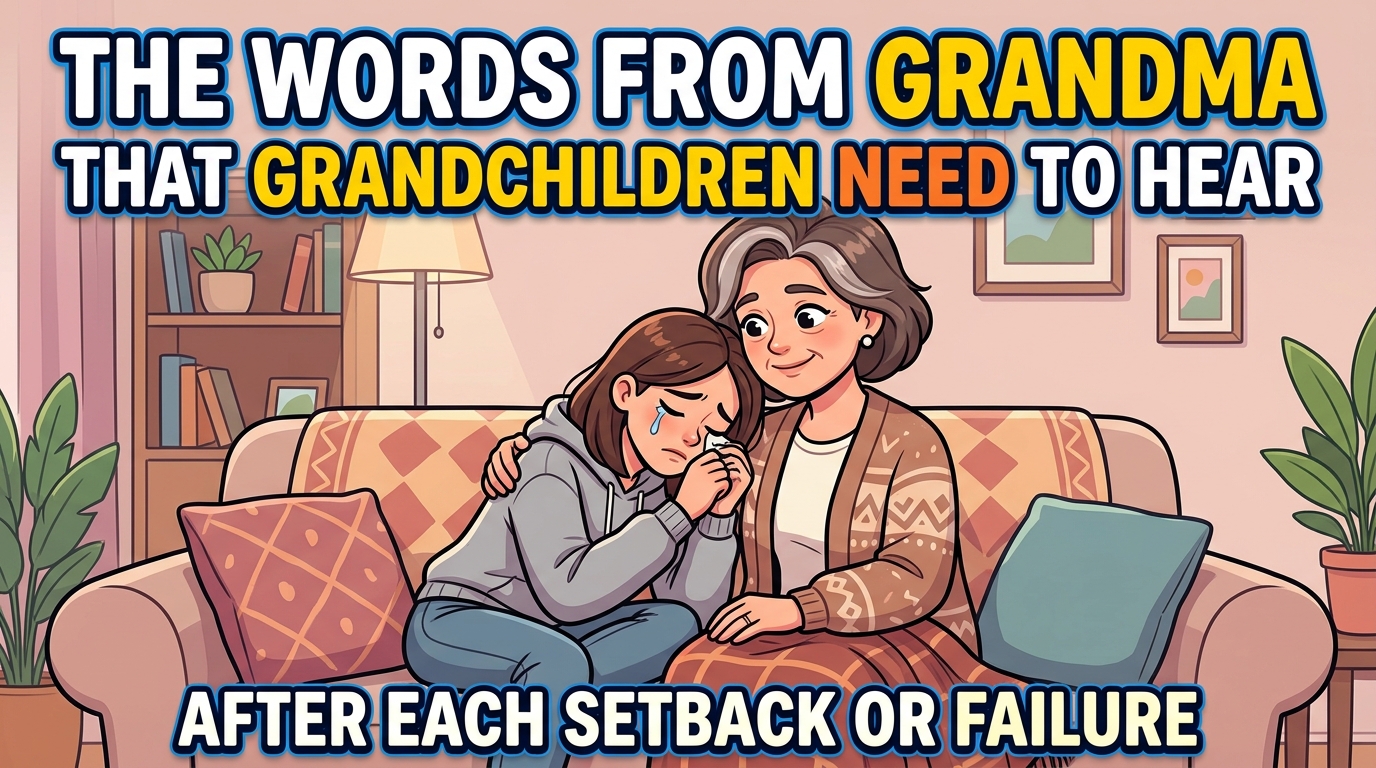
One of the most painful things for a grandmother to witness is seeing her grandchild discouraged after trying hard and still falling short. Whether it is a failed test, losing a sports game, not getting invited somewhere, struggling to make friends, or simply making a mistake they regret, setbacks can feel enormous to young hearts.
And the truth is, many grandchildren quietly decide who they are during these difficult moments.
Some begin to believe:
“I’m not smart enough.”
“I’m bad at this.”
“I’ll never succeed.”
“There’s no point in trying again.”
That is why the words grandmothers speak after failure matter so deeply.
The right kind of praise does not ignore disappointment or pretend that failure feels good. Instead, it helps grandchildren understand that setbacks are not the end of their story. It teaches them resilience, courage, patience, and self-worth.
As grandmothers, we have the beautiful ability to become a safe place our grandchildren return to after life hurts them. Sometimes, one encouraging sentence from grandma can become the reason a child gets back up instead of giving up.
Here are the praises that truly encourage grandchildren to keep trying after failure or setbacks.
Praising Their Effort Instead Of Only Their Success
Many children grow up feeling like they only deserve praise when they win.
When they get the highest grade, score the goal, or succeed publicly, everyone celebrates them. But when they fail, the silence can feel crushing.
That is why grandchildren need grandmothers who praise effort, too.
Instead of only saying:
“You’re so talented,”
say things like:
“I’m proud of how hard you worked.”
“You really gave this your all.”
“I saw how much effort you put into this.”
This kind of praise teaches children that their value is not tied only to outcomes.
A grandchild who understands that effort matters becomes far more willing to keep trying. They learn that hard work itself is something to feel proud of.
And honestly, some of life’s strongest people are not the ones who always succeed immediately. They are the ones who learned how to continue showing up even when success took time.
Praising Their Courage To Try Again
Trying again after disappointment takes real bravery.
Many grandchildren become afraid after failure. They fear embarrassment. They fear disappointing people. They fear failing a second time.
This is why grandmothers should notice and praise persistence.
“You didn’t quit, and that makes me proud.”
“It takes courage to try again.”
“I admire how you kept going even after a hard moment.”
These words help grandchildren understand that resilience is admirable.
Sometimes children assume confident people never fail. But true confidence is often built by surviving difficult moments and continuing anyway.
A grandmother’s encouragement can help a grandchild realize:
“I may have failed this time, but I’m still capable of trying again.”
That mindset can shape their entire future.
Praising Small Improvements
Not every success comes in big dramatic moments.
Sometimes growth happens quietly.
Maybe your grandchild still struggles with reading, but they read one paragraph more confidently than before. Maybe they still lost the game, but they played better than last week. Maybe they are still shy, but this time they spoke up a little more.
These tiny victories deserve recognition.
“You’re improving so much.”
“I can see your progress.”
“You’re getting stronger at this, little by little.”
When grandchildren learn to value progress instead of perfection, they become far less discouraged by setbacks.
They begin to understand that growth is gradual.
And honestly, most meaningful achievements in life happen slowly. Confidence, skills, friendships, healing, and success are often built one small step at a time.
Praising Their Emotional Strength
Some grandchildren cry after setbacks. Others become angry, quiet, embarrassed, or withdrawn.
But difficult emotions after failure are completely normal.
Grandchildren need adults who help them feel emotionally safe instead of ashamed for struggling.
“I know this hurt, but I’m proud of how you handled yourself.”
“You stayed kind even while upset.”
“You showed maturity during a difficult moment.”
This teaches children that strength does not mean pretending nothing hurts.
True emotional strength means learning how to process disappointment without losing yourself.
That lesson becomes incredibly valuable later in life when they face heartbreak, rejection, career struggles, and personal disappointments.
Praising Their Willingness To Learn
One dangerous thing about failure is that children sometimes see it as proof that they are incapable.
But grandchildren who grow into resilient adults usually learn to ask:
“What can I learn from this?”
Grandmothers can gently encourage this mindset.
“I love that you’re learning from this experience.”
“Mistakes help us grow wiser.”
“You’re becoming stronger because of this.”
Children who hear these kinds of words become less afraid of making mistakes.
Instead of viewing failure as humiliation, they begin seeing it as part of growth.
And truly, many successful people failed many times before succeeding. What made the difference was their willingness to keep learning instead of giving up.
Praising Their Character More Than Their Achievements
Sometimes, grandchildren secretly wonder if people still love them after they fail.
That may sound dramatic to adults, but children often tie their self-worth to performance.
This is why grandmothers should remind grandchildren that failure never changes their value.
“You are loved no matter what happens.”
“This doesn’t change how proud I am of you.”
“You failing at something does not make you a failure.”
Those words create emotional security.
Grandchildren who feel secure in love are usually more willing to take healthy risks in life because they know one mistake will not destroy their worth.
That emotional safety becomes the foundation for confidence.
Praising Their Patience With Themselves
Some grandchildren are unbelievably hard on themselves.
They expect instant perfection. They compare themselves constantly. They become frustrated when growth takes time.
Grandmothers can gently help them develop healthier self-talk.
“You don’t have to figure everything out immediately.”
“I’m proud of how patient you’re being with yourself.”
“Growth takes time, sweetheart.”
This kind of praise helps grandchildren become kinder to themselves.
And honestly, learning self-compassion is one of the most important emotional skills a person can develop.
Children who constantly criticize themselves often grow into anxious adults. But children who learn how to encourage themselves through setbacks become emotionally stronger and healthier over time.
Praising The Victories Nobody Else Notices
Some of the most important victories in a child’s life are invisible to everyone else.
Maybe your anxious grandchild went to school despite feeling nervous.
Maybe your discouraged grandchild got out of bed after a difficult week.
Maybe your shy grandchild finally spoke up in class.
These moments may seem small to others, but they can feel enormous to the child experiencing them.
Grandmothers have a beautiful way of noticing these hidden victories.
“That took courage.”
“I know how difficult that was for you.”
“You should feel proud of yourself.”
Never underestimate how healing it is for a grandchild to feel truly seen.
Praising Their Determination Without Comparing Them
One mistake adults sometimes make is comparing children in an attempt to motivate them.
“Your brother handled this better.”
“Other kids your age don’t struggle this much.”
But comparisons usually create shame instead of confidence.
Grandchildren thrive far more when praise focuses on their personal growth.
“You’re growing in your own way.”
“I admire your determination.”
“You keep trying even when things feel difficult.”
Children blossom when they feel encouraged instead of measured against everyone else.
Final Thoughts
Grandchildren do not need grandmothers who expect them to succeed at everything. They need grandmothers who teach them how to recover after disappointment.
The praises that matter most are often not the loudest ones.
They are the gentle reminders that say:
“You are still worthy.”
“You are still growing.”
“You are still capable.”
“And you can try again.”
Those words stay in a grandchild’s heart far longer than we realize.
Long after childhood, your grandchild may still hear your voice in difficult moments reminding them not to give up on themselves.
And truly, that may become one of the greatest gifts a grandmother ever gives.



