

Disclaimer: Devoted Grandma is reader-supported. If you purchase anything through my site, I may receive a small commission (at no cost to you). Thank you.
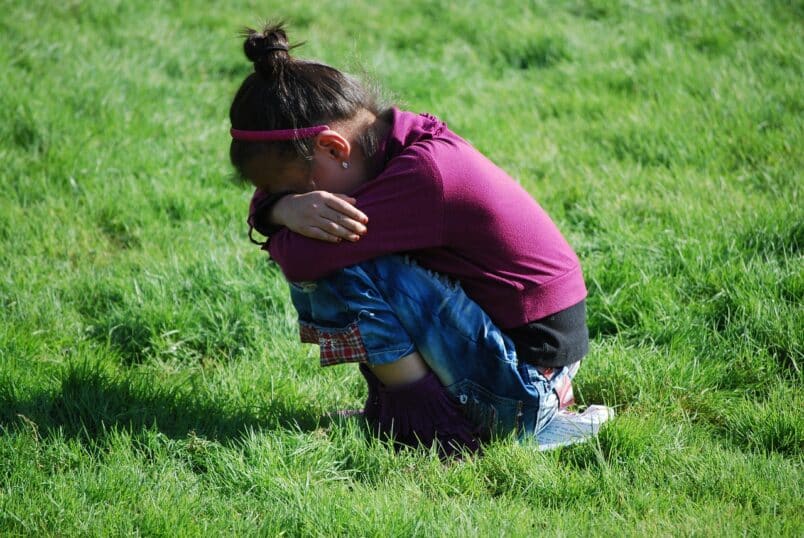
One of the greatest joys of being a grandmother is that our love doesn’t come with conditions or deadlines. We’ve lived long enough to know that everyone makes mistakes, especially children. And while our instincts may sometimes tell us to correct our grandkids the same way we did with our own children years ago, it’s important to remember that our role is different now.
We are the soft place they fall when life (or their parents) is a little too hard. That doesn’t mean we can’t guide or correct them — it simply means our discipline should come from gentleness, not frustration. Here are some ways we should never discipline our grandkids when they slip up, and how we can guide them instead.
1. Never Raise Your Voice or Yell
Our grandkids can tell the difference between a firm tone and an angry outburst. Yelling may stop their behavior in the moment, but it often leaves behind fear or confusion rather than understanding. Children tune out when they feel attacked — they don’t hear our message, just the volume.
Instead, lower your voice. Speak calmly and clearly. You’ll be surprised how much more powerful quiet correction can be. Sometimes the softest voice carries the most authority, especially when it comes from Grandma.
2. Never Shame or Compare Them
Children learn best when they feel safe and accepted. Saying things like, “Your sister never does that,” or “You’re too old to be acting like that,” can bruise their confidence. Shame makes them hide mistakes instead of learning from them.
Each grandchild has their own pace, personality, and journey. Instead of comparing, focus on encouragement: “You’re learning, sweetheart. Let’s try again together.” Those words build trust, not fear, and they’ll remember that long after the mistake is forgotten.
3. Never Give the Silent Treatment
It’s easy to think that staying quiet teaches a lesson — but silence can feel cold and confusing to a child. They may not understand why Grandma suddenly won’t talk to them or give them a hug.
If you need a moment to calm down, that’s perfectly fine. Just say, “Grandma’s feeling upset right now. Let’s take a minute to cool off, and then we’ll talk.” This keeps the connection safe while giving both of you time to think. Silence should never feel like punishment; it should be a space for calm.
4. Never Use Harsh or Physical Punishment
Back in our day, a quick smack on the hand was common. But times have changed, and for good reason. Physical punishment might stop bad behavior momentarily, but it also teaches fear and resentment. It doesn’t help a child understand why something is wrong.
Instead, use gentle but firm boundaries. For example, if they throw a toy, calmly say, “We can’t play with things that we throw. Let’s put it away until tomorrow.” This approach teaches cause and effect without anger or pain — and keeps your relationship strong and loving.
5. Never Threaten to Leave or Withdraw Love
When we say things like, “If you keep misbehaving, Grandma’s going home,” or “I won’t play with you anymore,” it might make them stop, but it also makes them afraid of losing us. Grandkids need to know that our love is steady, even when they’re in trouble.
Instead, reassure them while correcting the behavior. “I love you, but I don’t like what you did just now. Let’s fix it together.” That balance of love and guidance builds emotional security that lasts for life.
6. Never Undermine the Parents’ Rules
Even if you don’t fully agree with the way your children choose to discipline, it’s crucial not to contradict them in front of the grandkids. Saying things like, “Your mom is too strict,” or, “Don’t tell your dad we did this,” may feel harmless, but it creates confusion and divides loyalty.
Instead, show unity and respect. You can still comfort your grandchild and say, “I know you’re upset, but your parents love you and want what’s best.” If you truly disagree with their method, save that discussion for a private conversation later. Unity keeps the family strong — and teaches respect across generations.
7. Never Overreact to Small Mistakes
Children spill milk, forget their manners, and sometimes say the wrong thing at the wrong time. Those little slip-ups aren’t signs of defiance, they’re signs of growing up. Overreacting or scolding harshly for small things can make them fearful of trying again.
Take a breath and respond with perspective. If juice spills, laugh it off and hand them a towel: “Accidents happen! Let’s clean it together.” Turning small mistakes into teachable moments shows them that failure isn’t final, it’s part of learning.
8. Never Label Them
Words have power. Labels like “lazy,” “stubborn,” or “naughty” can stick to a child’s heart and shape how they see themselves. Even if you’re frustrated, focus on the behavior — not the child.
Instead of “You’re always messy,” try “Let’s work on keeping things tidy.” Instead of “You’re so rude,” say, “That wasn’t polite. Let’s practice saying it kindly.” When correction separates the action from the identity, a child learns without feeling unloved.
9. Never Discipline Out of Anger
Even grandmothers can lose their patience, especially when emotions run high. But reacting in anger almost always leads to regret. It’s okay to pause. Say, “Grandma needs a moment to think,” and return when your heart is calm.
Discipline is most effective when it comes from a place of love and clarity. When your grandchild sees that you can stay calm and thoughtful, you’re modeling self-control, one of the most valuable lessons you can ever teach.
10. Never Forget to Reassure After Correction
After the tears, the talk, or the timeout, don’t forget the most important part: reassurance. Children often fear that they’ve lost your affection when they disappoint you. A hug, a kind word, or a simple “Grandma still loves you” can heal their little heart instantly.
You can even use it as a moment of reflection: “Everyone makes mistakes, honey. What matters is learning from them.” That’s the kind of wisdom only a grandmother can give, firm but wrapped in love.
A Grandmother’s Role: Guiding with Grace
When our grandchildren misbehave, it’s not a reflection of failure; it’s an opportunity to teach them how to grow with kindness, respect, and honesty. The way we handle those moments shapes how they’ll handle their own mistakes in the future.
We may not be their parents, but we are their steady light, the voice that whispers, “You’re loved, even when you mess up.” Grandmothers have the special gift of turning discipline into life lessons that never sting, only strengthen.
So the next time your grandchild breaks a rule, remember: discipline doesn’t have to mean punishment. It means guidance, conversation, and patience. It means choosing love over anger, wisdom over reaction, and connection over control.
Because at the end of the day, being a grandmother isn’t about perfection, it’s about presence. It’s about teaching right from wrong in ways that leave the heart unbroken and the bond unshaken. And that, dear friends, is the most powerful discipline of all.



