

Disclaimer: Devoted Grandma is reader-supported. If you purchase anything through my site, I may receive a small commission (at no cost to you). Thank you.
(And Why Timing Matters More Than We Realize)
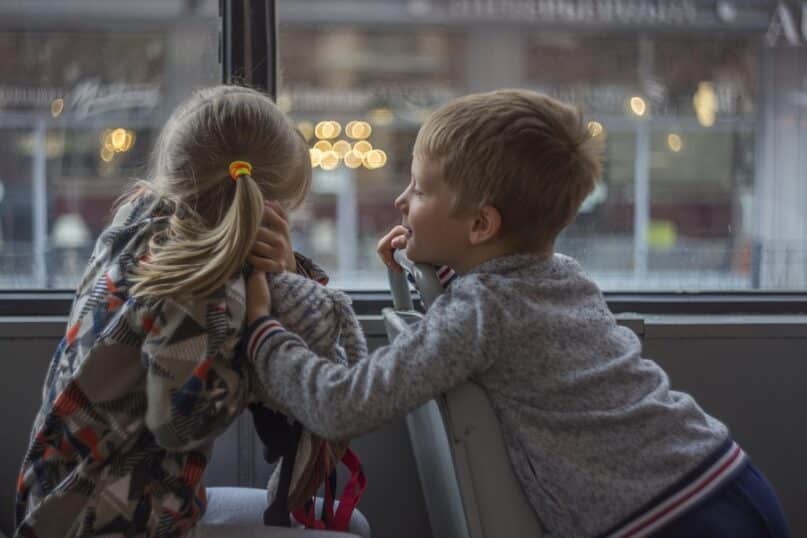
As grandmothers, we deeply cherish those meaningful talks with our grandchildren, the kind where they share their feelings, dreams, struggles, or even silly stories. We love sitting down and saying, “Tell me everything.” We want to connect. We want to guide. We want to listen.
But there’s one thing we often forget:
A conversation’s success isn’t just about what we say, it’s about when we say it.
No matter how wise or loving our words are, if we choose the wrong moment… they’ll tune us out. Kids and teens communicate differently. They need comfort, safety, and the right mindset to open up. So if we want deeper conversations, we first need to know the worst times to try having one.
Let’s talk about those moments, why they don’t work, how they make our grandkids feel, and what we can do instead.
1. Right After They’ve Had a Bad Day
When kids are hurt, overwhelmed, or embarrassed, they’re not ready to process it yet. Asking “What happened?” too soon can feel like pressure.
They may shut down, get irritated, or say, “I don’t want to talk.” And honestly? They might not even understand their own feelings yet.
Better approach:
Give them time. Offer comfort, not questions. A hug, a snack, or even silence can feel safer than a deep talk. Later—when emotions settle—say something gentle like, “If you ever want to talk about today, I’m here.” That keeps the door open without forcing it.
2. The Moment They Walk In the Door
Whether it’s school, sports, work, or hanging out with friends, walking in the door is their “transition moment.” Their brain needs to decompress.
If we immediately ask, “How was your day? What did you do?” their answers will likely be short and uninterested.
Better approach:
Give 20–30 minutes of breathing room. Let them grab a snack, change clothes, or just relax. Once their mind is settled, conversation will flow more naturally, and you’ll get better answers.
3. When They’re Focused on Screens
To us, it might look like “just a game” or “just a video.” But to them, it’s their world—social, entertaining, or even emotionally meaningful. Interrupting them in the middle and tossing a long conversation on top? Recipe for frustration.
Better approach:
Wait for a pause or a natural stopping point. Or ask politely, “When you finish this, can I talk to you for a few minutes?” Respecting their time makes them more willing to listen to you later.
4. When They’re Hungry
Never underestimate “hangry mode.” When blood sugar is low, patience disappears. Even adults struggle to think clearly when hungry.
Better approach:
Talk during or after a meal. Food relaxes the body and lowers blood pressure. Some of the best family conversations happen at the dinner table without even trying.
5. Right Before Bed
Bedtime may feel peaceful, but to kids and teens, it’s the moment when their energy is almost gone. Their minds might be swirling with tired thoughts or stress. A deep talk right then can feel heavy or even like a lecture.
Better approach:
Use bedtime for short, gentle check-ins:
- “Anything on your mind before you sleep?”
- “I love you. Tomorrow is a new day.”
Keep it light, loving, and safe. Save the deep talk for a rested moment.
6. When They’re With Friends
Kids act differently around friends. They’re in “social mode,” trying to fit in and have fun. If we suddenly ask serious or personal questions in front of others, they can feel embarrassed or exposed.
Better approach:
Let them enjoy time with friends. When you’re alone again, gently ask, “Hey, how was hanging out today?” That often leads to great conversations, without the pressure.
7. In the Middle of Something Fun
If they’re playing a game, baking, building Lego, or crafting, that activity might be their happy place. If we turn it into a therapy session, it can ruin the fun and make them associate serious talks with negativity.
Better approach:
Let conversations grow naturally during activities. Start light. Let laughter lead. Often, once they’re relaxed and enjoying themselves, deeper topics will come up on their own.
8. When They Just Woke Up
Morning moods are real. Younger kids may be slow and sleepy. Teens might be silent or grumpy until noon. Trying to have a thoughtful conversation before they’re fully awake sets you both up for frustration.
Better approach:
Let them wake up, eat breakfast, and get settled. A simple “good morning” and a warm presence is enough. Later in the morning, when their mood lifts, you’ll have a much better chance to talk.
9. Right Before an Exciting Event
If they’re about to leave for a game, party, performance, or trip, forget it. Their brain is in “anticipation mode.” Any long conversation will feel like stalling or stress.
Better approach:
Let them go have fun. On the way home, when the excitement fades and they’re relaxed, that’s when great reflection and conversation happen.
10. When YOU Are Emotional or Frustrated
This one is hard because we care so much. But if we start talking while we’re upset, our tone may come off as blaming or intense, even if our words are loving. Kids feel energy more than language.
Better approach:
Take a breath. Calm your heart. Then say, “Is now a good time to talk? I want to understand you, not argue.” That shows maturity—and builds trust.
11. Right After You’ve Corrected or Disciplined Them
If they’ve just been corrected, they’re still in defense mode. Their brain is thinking: “Am I in trouble? Am I safe? Will this get worse?” They’re not ready to hear guidance or wisdom yet.
Better approach:
Let the emotion cool. Later, shift to a loving tone: “I want to talk about earlier, not to get you in trouble, but to help. I care about you.” Correction plus compassion equals growth.
12. When They Feel Rushed or Busy
We often try to “squeeze in” a talk, on the way out the door, before a deadline, or when they’re getting ready. But if they feel rushed, their answers will be short and impatient.
Better approach:
Choose slow moments:
A car ride with nowhere urgent to go.
A quiet evening.
A walk in the backyard.
A cozy couch moment.
When their mind is relaxed, their heart is open.
So… When Do Kids Open Up?
Believe it or not, kids and teens often open up:
- When you least expect it
- When their hands are busy and their body are relaxed
- During chores, crafts, or car rides
- Late-night snacks
- Sitting outside watching the sky
- Sharing a hobby
- When they feel no pressure and no judgment
They don’t usually say, “Grandma, I’d like to have a deep emotional conversation now.”
Instead, they throw out small comments or questions. When we respond with calm interest, not interrogation, they keep going.
The Real Secret: It’s Not About Talking. It’s About Being There.
At the end of the day, our grandkids don’t always need long talks. They need presence. They need patience. They need to know we’re available when they’re ready.
If we create a safe atmosphere, the conversation will come naturally, often when we least expect it.
Because kids don’t just remember what we said.
They remember how it felt to talk to us.
Warm. Patient. Safe. Unconditional.
And when they know that?
They’ll choose to talk to us for the rest of their lives.
Would you like me to write a follow-up article on the best times to have deep conversations with your grandchild?
That one is just as important and incredibly powerful!



