

Disclaimer: Devoted Grandma is reader-supported. If you purchase anything through my site, I may receive a small commission (at no cost to you). Thank you.
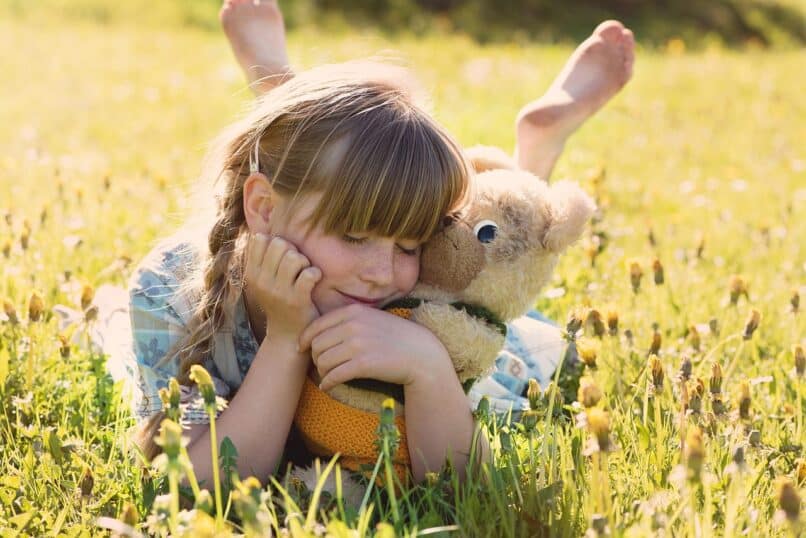
When people hear the phrase gentle grandparenting, the image that often pops into their heads is of a sweet, soft grandmother who lets the little ones run the house, never raises her voice, and hands out cookies for breakfast just to keep everyone smiling. But that’s the single biggest misunderstanding of all.
Gentle grandparenting doesn’t mean being passive, permissive, or afraid to say no. It’s not about spoiling our grandchildren or letting them do whatever they please. In truth, it’s about creating a safe, loving, and respectful relationship where we guide them with patience and kindness, while still holding onto boundaries that help them grow strong and secure.
Let’s dig deeper into what gentle grandparenting isn’t, what it is, and how we can model it in our everyday moments.
What People Mistakenly Think Gentle Grandparenting Means
So many misunderstandings about gentle grandparenting come from stereotypes. Here are the most common:
- Unlimited treats. The assumption is that Grandma’s house is a free-for-all where candy, soda, and sweets are served without a second thought.
Example: You tell your granddaughter, “Of course, you can have cookies for breakfast, why not?” while ignoring the sugar crash that will hit her an hour later. - Avoiding correction. Some imagine gentle grandparenting means never using the word no, as though correcting a child’s behavior would be too harsh.
Example: A grandson runs through the house with muddy shoes, and instead of redirecting him, Grandma just sighs and lets him continue so she won’t upset him. - Overindulgence. Many believe it’s about saying yes to every request, whether that’s a new toy, another late night, or endless screen time.
Example: A child begs to stay up past midnight, and Grandma thinks, “Well, being gentle means I can’t upset them,” so she agrees, even though the next day is miserable for everyone.
This picture might look sweet on the surface, but in reality, it can leave children confused, spoiled, or even unsafe.
What Gentle Grandparenting Actually Means
True gentle grandparenting is far from permissive. It’s about how we guide, not whether we guide at all.
- Calm discipline. Instead of raising our voices or shaming, we explain the reason behind our limits.
Example: When your grandson refuses to share a toy, instead of scolding, you calmly say, “I know it’s hard to share something you love, but your cousin wants a turn too. Let’s set a timer, and you’ll get it back after two minutes.” - Consistency. Children thrive when they know what to expect. Gentle doesn’t mean anything goes; it means rules are clear, steady, and lovingly enforced.
Example: At your house, bedtime is 8:30. Even when the grandchildren beg for more TV, you kindly say, “It’s bedtime, sweetie. Tomorrow we’ll have more time to watch.” - Empathy first. We pause to see life from their point of view, then respond in a way that acknowledges their feelings.
Example: Your granddaughter cries because her parents left for a date night. Instead of saying, “Don’t be silly, they’ll be back,” you gently say, “I know you miss them. It’s hard when Mommy and Daddy go. Let’s draw them a picture so you can give it to them when they return.” - Respectful love. We show our grandchildren that love isn’t just hugs and gifts, it’s also protecting them, guiding them, and sometimes saying no.
Example: When your grandson asks for a third soda, you lovingly reply, “No, honey, that’s too much sugar. But let’s have some water with lemon—it’s refreshing.”
Why This Misunderstanding Is Dangerous
The idea that gentle grandparenting equals “never saying no” can do harm in subtle ways:
- Children miss lessons. If we never correct behaviors, they don’t learn about respect, responsibility, or self-control.
- Boundaries disappear. Without gentle guidance, children may feel unmoored, unsure of what’s acceptable.
- Parents feel undermined. If grandparents indulge too much, it can create tension between us and our adult children, making family life harder.
Think of it this way: gentleness isn’t the absence of discipline—it’s the tone of discipline. We don’t erase boundaries; we deliver them in a way that builds trust rather than fear.
What Our Grandchildren Really Need From Us
When we strip away the myths, we see that children want and need two things from us: love and structure.
- Love: Gentle hugs, a listening ear, laughter over cookies at the table.
- Structure: Rules that make them feel safe and cared for.
When we combine both, we give them a secure foundation.
Example: A granddaughter may adore her grandmother, who always says yes, but she feels safe with the grandmother who says, “I love you too much to let you play outside without shoes, you could hurt your feet.”
Gentle Grandparenting in Everyday Life
Here are a few real-life scenarios where the misunderstanding clears up:
- The Candy Before Dinner Moment
- Misunderstood version: “I can’t upset him, so go ahead.”
- Gentle version: “I know you want candy, sweetheart. Let’s eat dinner first, then you can have one piece for dessert.”
- The Screen-Time Struggle
- Misunderstood version: “Fine, just play your game until you fall asleep.”
- Gentle version: “It’s time to put screens away now. How about we read a bedtime story together instead?”
- The Tantrum in Public
- Misunderstood version: Giving in just to keep the peace.
- Gentle version: Staying calm, kneeling down, and saying, “I hear that you’re upset. We can’t have that toy today, but let’s take a picture of it so we remember it for your birthday list.”
These moments show that gentleness and boundaries can live side by side.
Why It Matters
When we practice gentle grandparenting the right way, we do more than keep the peace in the moment—we model patience, empathy, and resilience. Our grandchildren grow up knowing:
- They are loved without condition.
- They can trust us to keep them safe.
- They can learn from us how to navigate challenges with grace.
That’s a far greater gift than unlimited cookies or endless “yeses.”
The Takeaway
The single biggest misunderstanding about gentle grandparenting is the belief that it means giving in. In reality, it’s guiding with tenderness, setting boundaries with kindness, and teaching with patience.
Our grandchildren don’t need us to be permissive. They need us to be steady. They need us to be loving. And they need us to show that true gentleness is strong, not weak.
So let’s embrace gentle grandparenting with confidence. Not the misunderstood version, but the real, powerful kind—the kind that says: “I love you too much to let you have everything you want, but I will always give you everything you need.”



