

Disclaimer: Devoted Grandma is reader-supported. If you purchase anything through my site, I may receive a small commission (at no cost to you). Thank you.
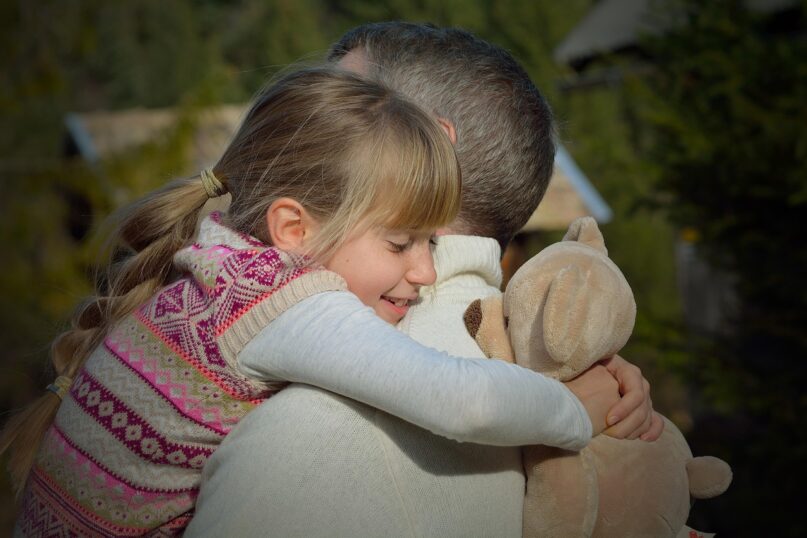
As grandmothers, we carry a natural instinct to protect. It’s written into our hearts the moment we first cradle those tiny hands or hear the squeal of joy when our grandchild runs into our arms. We want them safe, secure, and wrapped in love. But here’s a truth that’s easy to overlook: sometimes playing it too safe can quietly do more harm than good.
It’s not that being careful is wrong, far from it. It’s when every ounce of energy goes into keeping life calm, predictable, and risk-free that we might rob our grandchildren of the very experiences that help them grow into confident, resilient people. And just as importantly, we might also rob ourselves of laughter, adventure, and closeness.
Let’s take a closer look at why playing it too safe has hidden dangers, and how we can instead strike a healthy balance between protecting our grandchildren and letting them bloom.
1. Safety vs. Growth
Every grandmother knows children learn best by doing. But “doing” often involves some wobbling, some scraping of knees, and the occasional messy spill. If we swoop in to prevent every possible mishap, our grandchildren miss out on valuable growth.
Example: Your grandson wants to ride his scooter down the sloping driveway. You’re nervous, but instead of saying “No, it’s too dangerous,” you hand him elbow and knee pads and watch from the side. He falls once, dusts himself off, and then proudly makes it all the way down. That moment of triumph teaches him more than our overprotection ever could.
2. Protecting vs. Smothering
There’s a thin line between nurturing and smothering. Our words matter here. If every sentence starts with “Be careful,” “Don’t do that,” or “Watch out!” our grandkids may feel like we don’t trust them.
Example: Your granddaughter is climbing a tree in the yard. You feel your stomach tighten, but instead of shouting “Get down!” you ask, “How far do you think you can go before it feels too high?” She pauses, thinks, and climbs just one more branch before coming down safely. You’ve protected her while also encouraging independence.
3. The Lost Adventures
Think back to your childhood. Did you ever sneak extra cookies, race down a hill with your hair flying, or stay up late giggling with cousins under a blanket fort? Those are the kinds of memories that make childhood magical.
Example: One summer, a grandmother I know let her grandkids set up a tent in the backyard for a “campout.” They roasted marshmallows, told silly ghost stories, and fell asleep under the stars. Could they have been safer in the house? Of course. But the memory of that night will stay with them forever, long after the sticky marshmallows and grass stains are forgotten.
4. The Risk of Becoming “Boring Grandma”
Here’s a hidden danger many of us don’t think about: if time with us always feels restrictive, overly cautious, or lacking in fun, our grandkids may not look forward to it.
Example: Imagine two houses. At one, Grandma always says “don’t touch,” “don’t run inside,” and “no, that’s too messy.” At the other end, Grandma happily joins in on baking cookies, even though flour dusts the counters, and she laughs while helping with a living room fort. Which house will the kids beg to visit? Fun doesn’t mean chaos, it just means letting joy win out over constant rules.
5. Teaching Balance Through Example
Grandchildren learn more from watching us than from anything we say. If they see us afraid of every small risk, they may grow up thinking fearfulness is the natural way to live. But if they see us practicing balance, they’ll absorb something much healthier.
Example: You’ve never bowled before, but your grandkids invite you to join their game. Instead of sitting on the sidelines, you pick up the ball, laugh at your first wobbly attempt, and cheer at their strikes. They see you trying something new, even imperfectly, and learn courage by example.
6. The Gift of Trust
At the heart of loosening up is trust. When we stop playing it too safe, we give our grandchildren the unspoken message: “I believe in you.”
Example: Your grandson asks for help with dinner. Part of you wants to say no, knives and stoves feel risky. But instead, you let him stir the pot while you supervise, or chop soft foods with a child-safe knife. He beams with pride at being trusted with “real” work. That trust becomes part of his self-esteem.
7. Finding the Balance
Of course, none of this means ignoring genuine dangers. A child running toward a busy street or trying to handle matches alone is not the moment to step back; it’s the moment to act quickly. Balance is the goal. Love is both a shield and a launch pad.
Example: You might let your grandchildren build a messy fort in the living room, but you don’t let them plug in lamps under the blankets. You might let them race on their bikes, but you make sure helmets are firmly on their heads. Boundaries don’t kill joy—they keep it safe enough to flourish.
Final Thought
Playing it safe feels natural because it comes from love. But if we lean too heavily on safety, we risk limiting joy, adventure, and trust. Our grandchildren don’t just need us to guard them; they need us to cheer for them, laugh with them, and sometimes let them stumble into the kind of memories that shape who they become.
So, dear grandmas, let’s promise ourselves this: we will be protectors, yes, but also encouragers of boldness. We will keep an eye on danger but open our hearts to joy. And we will never let fear of what might go wrong steal the beauty of what can go right.
Because one day, when our grandchildren look back, they won’t just remember that we kept them safe. They’ll remember that we let them live.



