

Disclaimer: Devoted Grandma is reader-supported. If you purchase anything through my site, I may receive a small commission (at no cost to you). Thank you.
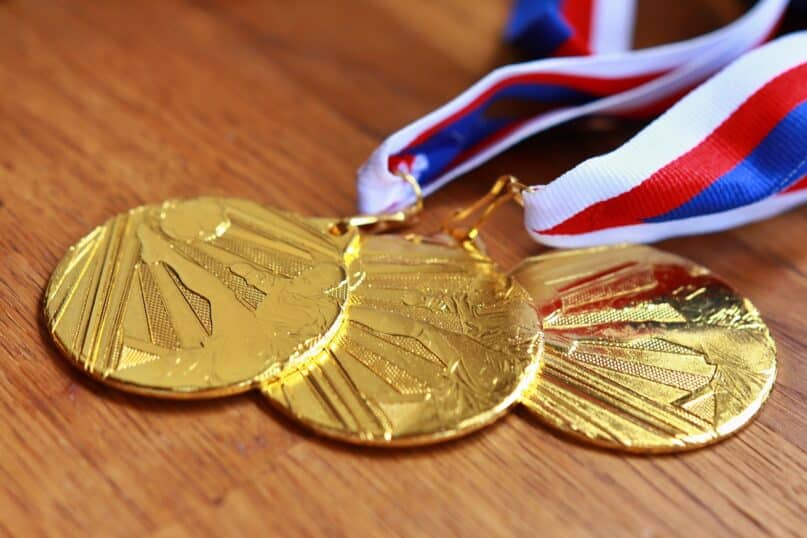
Oh, the joy of watching our grandbabies shine! Whether it’s winning a spelling bee, scoring their first goal, reading their first chapter book without help, or simply showing kindness to someone who needed it, we grandmothers feel that pride all the way down to our toes. We want to clap, hug, post it everywhere, or maybe even throw them a parade down the hallway (don’t tempt me—I’ve done it with pots and pans!).
But over the years, I’ve learned a thing or two: not all celebrations hit the same. What feels like love and pride from us might feel overwhelming, embarrassing, or even performative to them. Some reactions lift them higher. Others weigh them down with expectations they didn’t ask for.
So let’s walk hand in hand through what I believe are the right and wrong ways to celebrate a grandchild’s achievement, with the grace, joy, and care only a grandma can offer.
✅ Right: Match the Celebration to the Child, Not the Achievement Size
Let’s start with something simple: some kids like a big fuss, some don’t. I have one grandson who loves being the center of attention—he’ll give a whole speech if you let him. Another one would rather disappear into the floorboards if you so much as raise your voice in joy.
So the celebration isn’t about the size of the achievement—it’s about the spirit of the child. Even something like passing a test or mastering a new piano piece can be honored with something as small as a whispered, “You did it,” or as big as a family dinner. The key is matching the celebration to them.
🚫 Wrong: Making It About You or the Family Reputation
Now this one is hard to admit. But sometimes we grandmothers beam so hard we start talking more about what it says about us than what it means for them.
“My granddaughter got a full scholarship—just like I did.”
“My grandson’s finally made the football team—makes the whole family look good.”
We mean well. But let’s not make their success about our legacy or the family’s image. Their achievements are their own beautiful blooms. We’re just lucky enough to be in the garden when they blossom.
✅ Right: Focus on Effort, Not Just Outcome
Here’s something I wish someone had told me decades ago: “Celebrate the effort, not just the result.” Telling your grandchild, “You worked so hard and stuck with it—I’m proud of that,” teaches them something important. It says, You’re not loved because you won. You’re loved because you gave your best.
This builds a mindset of resilience and self-belief. It teaches them to be proud of trying, of learning, of growing—even if the trophy shelf stays empty.
🚫 Wrong: Only Praising the Win
When we only cheer for victories, we accidentally tell them that only winning matters. That’s a slippery slope. They’ll start tying their self-worth to outcomes, and that can lead to anxiety, burnout, or quitting things they love for fear of failing.
I always try to say something like, “I’m proud of you for putting yourself out there,” or “Trying something new takes courage.” That way, they know I see them, not just their results.
✅ Right: Celebrate With Words That Uplift
Sometimes, the best celebration is just a loving word at the right time. I’ve written little notes and tucked them into lunchboxes, left voice messages singing a made-up “Congratulations” song, or simply held them close and said, “I see how hard you worked. And I’m proud of your heart.”
It’s not about having perfect words—it’s about making sure they hear and feel: I’m proud of you for who you are, not just what you did.
🚫 Wrong: Overloading With Gifts or Money
Now, don’t get me wrong—I love giving gifts. But when every success comes with a reward attached, it can change their motivation. Suddenly, they’re chasing the prize, not the growth.
A thoughtful treat here and there is sweet. But we should never let them think our pride has a price tag. Our love and admiration should always be free and unconditional.
✅ Right: Ask Them to Tell You the Story
“Oh, honey, tell me what it was like when you finished that project.”
“What part made you feel most proud?”
“Did you think of giving up? What kept you going?”
These kinds of questions light up their faces. They feel seen. They feel that you truly care, not just about the outcome but about their experience.
Sometimes, just listening deeply is a celebration all its own.
🚫 Wrong: Doing All the Talking
It’s tempting, I know. We want to share our own memories or give advice. “When I was your age…” can sometimes sneak out before we realize it.
But this moment is theirs. Let them have the spotlight. If you do share your own story, make sure it doesn’t steal their thunder or turn their moment into a history lesson.
✅ Right: Acknowledge Big and Small Wins Alike
We grandmothers are uniquely positioned to see what others might miss. Maybe your grandchild didn’t win a medal—but they learned to apologize. Maybe they didn’t get the lead role, but they helped another classmate with stage fright. Those are wins too.
And when we celebrate those, we help shape a child who values character just as much as accomplishment.
🚫 Wrong: Only Noticing Academic or Sport Achievements
Yes, it’s wonderful when they bring home straight A’s or win that match, but let’s not forget the quiet moments. The emotional growth. The bravery it takes to try again after failing. If we only clap for the visible milestones, we’ll miss the heart of who they’re becoming.
✅ Right: Involve the Whole Family—With Care
Celebrating as a family can be magical. A simple family dinner, a group cheer on a video call, or a homemade certificate on the fridge can mean the world. It tells them: You are loved by many. We all see your light.
🚫 Wrong: Turning It Into a Competition
What we must avoid is making comparisons. “You did better than your cousin.” “Finally, someone in this family made us proud.” These words seem small, but they can build pressure, rivalry, and even resentment.
Let each child’s achievement be its own bright star—no need to dim anyone else’s.
✅ Right: Let Your Grandchild Lead the Way
One of the most respectful things we can do is ask, “How would you like to celebrate?” You’d be surprised how often they just want a cozy night, a movie, or a silly dance-off with grandma in the living room.
When they feel in control of their celebration, it makes the moment even more meaningful.
🚫 Wrong: Ignoring Their Wishes
Sometimes we mean well, but we go overboard. Planning a big party when they said, “Please keep it quiet,” or posting their award online when they asked you not to.
Even in celebration, we need to honor their privacy and emotional boundaries. That shows them love and respect.
✅ Right: Use It as a Gentle Teaching Moment—Later
After the excitement settles, we can weave in a little wisdom. “You know, this win reminds me how far you’ve come.” Or, “I hope you always stay humble and kind even as you keep growing.”
But timing matters. Let them savor their moment before we pull out the life lessons.
In Closing…
Celebrating our grandchildren is one of life’s greatest joys. But how we do it matters just as much as why. Let’s lift them up without pushing too hard. Let’s cheer without comparing. Let’s celebrate with love, not expectation.
Because in the end, they won’t just remember the medal or the test score. They’ll remember how we looked at them with shining eyes and said, “You’ve made me proud—just by being you.”
And that, dear grandma, is the greatest celebration of all.



