Disclaimer: Devoted Grandma is reader-supported. If you purchase anything through my site, I may receive a small commission (at no cost to you). Thank you.
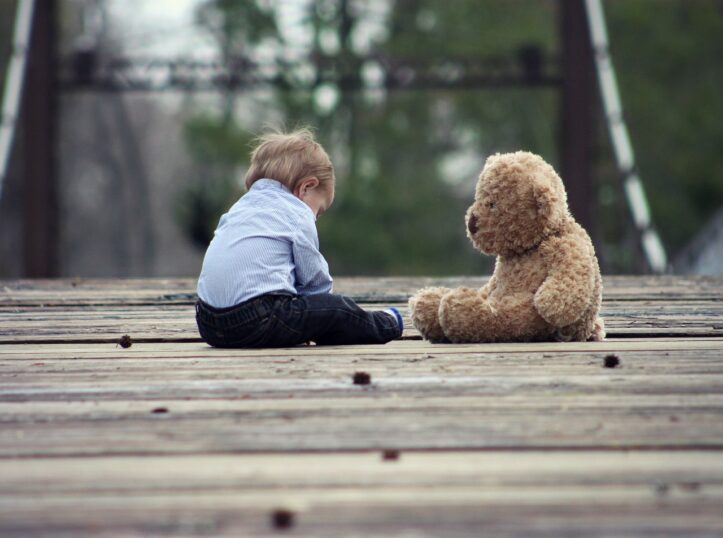
As grandmothers, we want our homes to be a safe, welcoming haven for our grandchildren. But sometimes, children may feel uneasy or out of place, and it can be difficult for us to recognize and address it. Here are a few signs that your grandchild might not feel entirely comfortable in your home, and some ways we can help them feel more at ease.
1. They Seem Overly Quiet or Withdrawn
Children who are usually talkative or energetic but suddenly become quiet when they visit may be feeling uncomfortable. This can be especially true if they seem anxious or avoid eye contact. If you notice this, gently ask if there’s anything on their mind, and let them know they’re free to speak openly. Offering reassurance and showing curiosity about their interests or recent experiences can help them relax.
2. They Stay Close to Their Parents or Siblings
If your grandchild tends to stick close to their parents or siblings when they’re in your home, it might indicate a level of discomfort. This behavior often signals that they feel more secure with familiar faces around. Try to build a little routine or tradition that’s just between you and the grandchild, whether it’s reading a book, playing a game, or baking a treat. Familiar activities can help foster comfort and trust over time.
3. They Ask to Go Home Soon After Arriving
A grandchild who frequently asks to leave soon after arriving may be struggling to feel at home. While it’s normal for younger children to miss their parents, older children typically enjoy staying with their grandparents if they’re comfortable. Engage them with activities that suit their age and interests, like a board game, a craft project, or even just letting them choose a movie. Little touches like their favorite snack or a cozy space of their own can also make them feel special and welcome.
4. They Seem Anxious About House Rules
Every household has different rules, and while it’s good for children to learn, overly strict or confusing rules might make them nervous. If you notice they seem tense or constantly checking with you for approval, try explaining the rules in a gentle, understanding way. Emphasize that it’s okay if they forget something and that you’re there to help them feel at home.
5. They Don’t Seem Interested in Activities
When a grandchild appears uninterested in activities or refuses to join in, they may feel disconnected. Take a moment to find out what they enjoy, even if it’s something you’re unfamiliar with. Maybe they love a particular video game or are obsessed with a certain movie series. Showing interest in what they love can be a bridge to help them feel more comfortable sharing other parts of themselves.
6. They Seem Uncomfortable in Certain Rooms or Spaces
Sometimes, a room that feels normal to us can seem overwhelming to a child. Maybe it’s too cluttered, dark, or has a strong smell they’re not used to. You can ask your grandchild if there’s a particular room they’d like to spend time in, and make an effort to create a cozy, kid-friendly corner with familiar toys, books, or blankets. This small step can go a long way in making your home feel welcoming.
7. They’re Hesitant to Ask for Things
If a grandchild doesn’t feel comfortable asking for basic things—like a drink of water, a snack, or a restroom break—it’s often a sign they’re not feeling fully at ease. Gently remind them that they’re welcome to whatever they need and encourage them to make themselves at home. You might even have a little “welcome basket” with some favorite snacks, small toys, or art supplies they can use whenever they visit.
8. They Bring Their Own Comfort Items from Home
It’s natural for young children to bring a favorite blanket or stuffed animal, but older kids who bring a backpack of their own toys or even snacks might be signaling they feel more secure with things from home. To help them feel like your place is an extension of their own space, consider having a few of their favorite things on hand. Having a small drawer or shelf for “their things” can help them feel like they belong there, too.
9. They Seem Hesitant or Resistant to Stay Overnight
Many grandchildren love the idea of staying the night with Grandma, but if yours seems hesitant, there may be a reason they’re not fully comfortable. Try making overnights a gradual process; maybe start with extended visits during the day. Talk with them about any specific worries they may have about staying the night, and work to address those concerns to make overnights something they can look forward to.
10. They Don’t Engage in Conversation or Share Their Thoughts
A grandchild who doesn’t want to talk much or share about their life may be struggling to feel connected. Start small and ask about something specific—maybe a recent hobby, a school activity, or a friend. Let them know you’re genuinely interested in them and willing to listen without judgment. Sometimes, creating a calm and judgment-free environment is all they need to open up.
Tips for Making Your Home More Welcoming
- Create a Kid-Friendly Space: Dedicate a cozy corner or small area just for them, with items that remind them of home.
- Offer Familiar Snacks and Drinks: Knowing that they’ll have their favorite foods can be a comfort.
- Involve Them in Small Tasks: Let them help with baking, setting the table, or watering plants—it helps create a sense of belonging.
- Keep Communication Open: Make it clear that your home is their space too, and they’re welcome to share their thoughts or preferences.
- Be Patient and Observant: Adjusting to a new place takes time, especially for little ones, so be patient and gently observant of their needs.
Sometimes, we may not even realize how much a small change can affect a grandchild’s experience in our home. By observing these signs and making a few comforting adjustments, we can make sure our homes are truly a place where they feel safe, loved, and valued.