Disclaimer: Devoted Grandma is reader-supported. If you purchase anything through my site, I may receive a small commission (at no cost to you). Thank you.
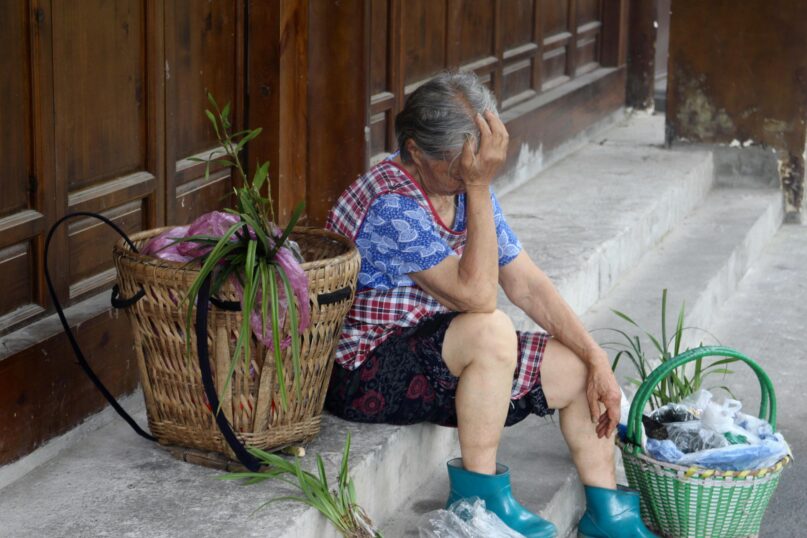
Being a grandmother is a role filled with joy, love, and memories, but it can also come with its fair share of challenges, especially when you find yourself deeply involved in family matters. From babysitting the grandkids to supporting adult children, juggling the needs of multiple generations can lead to burnout. This feeling of exhaustion—both physical and emotional—can creep in without you even realizing it. Recognizing the signs early and taking proactive steps can make a world of difference.
Here’s how grandmothers can deal with family-related burnout and find peace, balance, and joy in their role once again.
1. Recognize the Signs of Burnout
The first step in addressing burnout is identifying it. Burnout doesn’t happen overnight but gradually builds up. Watch out for signs like:
- Feeling constantly tired or drained, even after rest.
- A lack of interest or pleasure in activities you used to enjoy.
- Emotional distance from family members.
- Physical symptoms such as headaches, digestive issues, or frequent illnesses.
Once you recognize these signs, you can begin to take action.
2. Set Boundaries
Grandmothers often feel the need to be the glue holding the family together, always available for babysitting, advice, or emotional support. But you’re only one person, and your energy is not infinite.
- Learn to say “no.” You don’t have to attend every family gathering, babysit every weekend, or be the go-to person for every crisis. Saying no doesn’t mean you love your family any less.
- Create a schedule. If you regularly help out with the grandkids, establish clear times and boundaries. For example, maybe you’re available to help three days a week, not five.
3. Prioritize Self-Care
This was the hardest one for me. I had spent so many years focused on others—raising my kids, helping my spouse, and later on, stepping in with my grandchildren. But I realized, just like everyone else, I needed time for myself and self-care isn’t selfish—it’s necessary.
I used to think self-care was some sort of luxury that I didn’t deserve. But when I started to feel constantly tired and emotionally drained, I knew something had to change. I remember one particular week: I had been babysitting every day, cooking meals for my son who had a new baby, and trying to stay cheerful through it all. Then one afternoon, I just broke down. My body was telling me to stop.
So, I made small changes. I started taking a walk each morning. It didn’t have to be long—just 20 or 30 minutes in the fresh air made me feel human again. I downloaded a few podcasts, grabbed my sneakers, and off I went. Those moments were mine, and I guarded them fiercely.
Another thing I did was to return to an old hobby. Years ago, I used to knit, but I had abandoned it when life got too busy. One day, I picked it up again. Now, I always have a project going, and I can tell you, knitting calms my nerves like nothing else. Whatever hobby brings you peace, find time to do it—even if it’s just for 15 minutes a day.
4. Ask for Help
Asking for help? Oh, I used to think that was something I never needed to do. After all, I was the mom—the grandmother—the one people came to for help. But there was one day that really changed my perspective. I had been watching my grandkids for an entire week because my daughter was dealing with a work crisis. By Friday, I felt like I was going to collapse.
I could barely keep my eyes open while the little ones were running around. I didn’t want to admit it, but I couldn’t keep up anymore. That’s when I called my daughter. I told her I loved her and the kids, but I needed a break. To my surprise, she was understanding. She arranged for a babysitter for the next few days, and I was able to rest.
Learning to share responsibilities made a world of difference. Now, I’ll occasionally suggest to my children that they look into local babysitting services or ask their in-laws for help too. My son, for example, started arranging “grandparent swaps” with his in-laws so I could have time off.
I also learned that it’s okay to talk about how I’m feeling. If I’m overwhelmed, I let them know. And you know what? They’ve been more understanding than I expected. Sometimes our families don’t realize we need help until we tell them.
5. Make Time for Friendships and Socializing
This was a game-changer for me. When my children were young, I rarely had time for friendships outside the family, and once I became a grandmother, it seemed even less important. But as the demands of family life grew, I realized that I needed time with friends to feel like myself again.
I’ll give you an example. A few months ago, a friend of mine from an old book club reached out to invite me to lunch. At first, I hesitated. I had a dozen reasons why I couldn’t go—what about the grandkids? What if my daughter needed me? But I went. And that afternoon, we sat for hours, talking and laughing over tea, and it was exactly what I needed.
Now, I make it a point to schedule regular coffee dates or lunches with friends. Sometimes we even meet up for a simple walk or go to a movie. It’s not about escaping family—it’s about reconnecting with other aspects of myself that had been on the backburner. These little social outings gave me energy and perspective when I returned to my family.
Another thing that’s helped is joining a local club. I became part of a gardening group, and once a week, we meet to discuss plants, share tips, and just enjoy each other’s company. It’s a little slice of life that’s all mine, and it makes the world of difference in my mood.
6. Release the Pressure of Perfection
As grandmothers, many of us feel this unspoken pressure to be perfect. I know I did. I felt like I had to be the one who always had the answers, the one who was never too tired to lend a hand, the one who could juggle everything flawlessly. But the truth is, that kind of pressure is impossible to maintain. And it’s exhausting.
One day, I was preparing dinner for the whole family. I had the grandkids over, and I wanted everything to be just right. Well, as you can guess, things went wrong. I burned the casserole, the kids spilled juice everywhere, and the house looked like a tornado hit it. I felt like a failure.
But that night, as we all sat down to eat the charred dinner, I looked around the table and realized something: no one cared about the perfect meal or the spotless house. They were just happy to be together.
I started letting go of the small things after that. I stopped trying to be the “perfect” grandmother and started focusing on being present instead. The kids don’t need a flawless grandma—they need a loving one.
Letting go of guilt was another big step for me. I used to feel guilty if I couldn’t babysit, or if I said no to a family event because I was tired. But I learned that it’s okay to step back when you need to. Guilt doesn’t serve you or your family. What they need is a grandmother who is healthy and happy, not worn out and stressed.
Final Thoughts
As grandmothers, we give so much of ourselves to our families, but it’s vital that we remember to take care of ourselves too. Burnout can sneak up on us, but by prioritizing self-care, asking for help, staying connected with friends, and letting go of perfection, we can continue to enjoy our role without sacrificing our well-being.
Your family loves you for who you are, not for what you do. So take that walk, schedule that coffee date, and remember—it’s okay to put yourself first sometimes. You’ve earned it.