Disclaimer: Devoted Grandma is reader-supported. If you purchase anything through my site, I may receive a small commission (at no cost to you). Thank you.
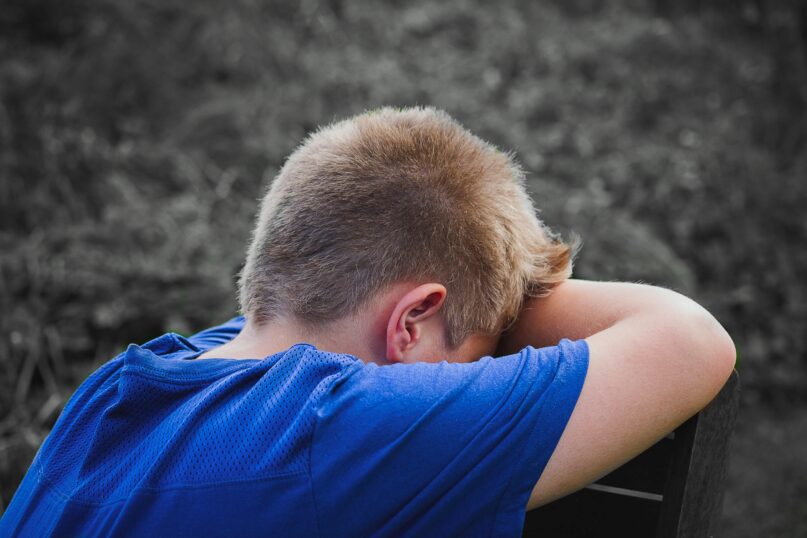
As a grandmother, you hold a special place in your grandchild’s life, often providing support, comfort, and wisdom. However, sometimes, the signs of emotional distress can be subtle, making it challenging to discern if your grandchild is struggling with depression. Understanding and recognizing these signs can enable you to offer the right support and encourage them to seek professional help if needed. Here’s a guide to help you identify potential signs of depression in your grandchild and how you can respond effectively.
1. Observe Changes in Mood
Depression often manifests through noticeable changes in a person’s mood. If your grandchild appears persistently sad, irritable, or moody over an extended period, this could be a sign of depression. These emotions might seem to come out of nowhere or be disproportionate to the events happening in their life.
For example, they may cry easily, become easily frustrated, or seem more sensitive to criticism. If you notice they’re no longer laughing or smiling as they once did, or if they seem detached and uninterested in activities they used to enjoy, it’s essential to pay attention to these shifts.
2. Look for Withdrawal from Family and Friends
Social withdrawal is a common symptom of depression. Your grandchild may begin to distance themselves from family gatherings, preferring to be alone rather than spending time with others.
They might also avoid their friends, stop participating in activities they once found enjoyable, or lose interest in hobbies. This withdrawal can be subtle at first, such as making excuses not to attend social events, or it can be more pronounced, like isolating themselves in their room for long periods. This behavior can indicate that they’re struggling internally and may feel disconnected from those around them.
3. Notice Changes in Sleep Patterns
Sleep disturbances are often linked to depression. You may observe that your grandchild is having trouble falling asleep, staying asleep, or waking up too early (insomnia). Alternatively, they may start sleeping much more than usual, staying in bed for extended periods (hypersomnia).
These changes in sleep patterns can lead to exhaustion and make it even harder for them to cope with daily life. If you notice that your grandchild is either constantly fatigued or spending an unusual amount of time sleeping, this could be a signal that something is wrong.
4. Watch for Altered Eating Habits
Depression can significantly affect appetite, leading to noticeable changes in eating habits. Your grandchild might eat much less than usual, losing interest in food altogether, which could result in weight loss. On the other hand, they might begin eating more, possibly using food as a way to cope with their feelings, leading to weight gain.
These changes in appetite can affect their overall health and may be a physical manifestation of their emotional struggles. It’s important to notice if your grandchild’s eating patterns have shifted significantly without any apparent reason.
5. Be Aware of Persistent Fatigue
Persistent fatigue or a noticeable lack of energy can be a sign of depression. If your grandchild seems unusually tired, even after getting what should be enough rest, it could be a symptom of emotional distress. This fatigue can make it difficult for them to engage in daily activities, schoolwork, or social interactions, further isolating them.
They may complain of feeling physically drained, have little motivation to get out of bed, or struggle to complete tasks that they once found easy. Chronic tiredness, despite adequate sleep, is a key indicator that something might be wrong.
6. Pay Attention to Difficulty Concentrating
Depression can impair cognitive functions, leading to difficulty concentrating, remembering things, or making decisions. If your grandchild is struggling to focus on schoolwork, seems easily distracted, or is having trouble remembering things, it could be related to depression.
This difficulty in concentrating can manifest in poor academic performance, procrastination, or a general sense of being overwhelmed by tasks that they previously managed without issue. If they frequently seem “out of it” or unable to engage fully in conversations or activities, it might be time to explore whether they’re experiencing emotional difficulties.
7. Watch for Expressions of Worthlessness
Feelings of worthlessness, guilt, or excessive self-criticism are significant red flags for depression. Your grandchild might express these feelings verbally, saying things like “I’m not good enough,” “I’m a burden,” or “I can’t do anything right.”
They may also blame themselves excessively for things that are out of their control or dwell on past mistakes in a way that seems disproportionate. These feelings can contribute to a negative self-image and may prevent them from seeking help, as they might believe they’re undeserving of support. It’s crucial to listen carefully and take these expressions seriously.
8. Note Physical Complaints
Depression doesn’t just affect the mind; it can also manifest physically. Your grandchild might frequently complain of physical ailments such as headaches, stomachaches, or other unexplained pains.
These symptoms might not have a clear medical cause and could be a result of the emotional distress they’re experiencing. Depression can cause or exacerbate these physical symptoms, making the individual feel even worse. If your grandchild is seeing a doctor for physical issues but no clear cause is found, it may be worth considering that these complaints are linked to their mental health.
9. Look for Behavioral Changes
Significant changes in behavior can be a sign that your grandchild is struggling with depression. This could include increased irritability, reckless actions like driving too fast or engaging in risky behaviors, or neglecting personal hygiene.
If your grandchild starts acting out in ways that are out of character such as suddenly being more defiant, withdrawing from responsibilities, or showing a lack of interest in their appearance it could be a cry for help. These behavioral changes can be particularly concerning if they appear alongside other symptoms of depression.
10. Watch for Expressions of Hopelessness
Expressions of hopelessness are particularly concerning and should be taken very seriously. Your grandchild might talk about feeling like things will never get better, express a lack of hope for the future, or make statements that suggest they don’t see a reason to keep going.
This sense of hopelessness can be a precursor to suicidal thoughts or behaviors, making it essential to intervene if you hear them expressing these feelings. Immediate support and professional help are crucial if your grandchild is feeling this way.
11. Be Aware of Self-Harm
Self-harm, such as cutting, burning, or other forms of self-injury, is a serious sign of depression. It’s often a way for individuals to cope with overwhelming emotions or to express their inner pain in a physical way.
If you notice unexplained injuries or scars, or if your grandchild talks about self-harm, it’s vital to address this issue immediately and seek professional help. Self-harm is a sign that they are in significant emotional distress and need immediate support.
12. Observe Changes in Substance Use
Increased use of alcohol, drugs, or other substances can be a way for teenagers to numb emotional pain or escape from their feelings. If you notice that your grandchild is using substances more frequently or in larger amounts than before, it might be a sign of underlying depression.
Substance use can quickly spiral out of control and lead to more severe issues, so it’s important to address this behavior and encourage them to seek help for both the substance use and the emotional pain driving it.
How to Respond
If you observe any of these signs in your grandchild, approach the situation with empathy and care. Start by expressing your concern and letting them know that you are there to support them. Encourage open communication and reassure them that seeking help is a positive step.
It might also be helpful to gently suggest speaking with a mental health professional who can provide guidance and support. Remember, your role is to offer support and encourage them to seek the help they need, rather than trying to solve the problem on your own.
By staying vigilant and responsive to these signs, you can play a crucial role in your grandchild’s well-being and help them navigate through challenging times. Your love and support can make a significant difference in their journey towards emotional health.