As a grandma, sharing wisdom and life lessons with your grandkids is one of the most rewarding experiences. By introducing them to diverse cultures and their unique teachings, you can broaden their horizons and instill values that will last a lifetime. Here are three fascinating lessons from three different continents that your grandkids will love and cherish.
1. Ubuntu (Africa) – “I Am Because We Are”
Origin: Southern Africa, particularly among the Bantu-speaking peoples.
Explanation:
Ubuntu is a profound African philosophy that emphasizes the importance of community, compassion, and interconnectedness. The term “Ubuntu” can be roughly translated as “I am because we are,” highlighting the belief that an individual’s humanity is tied to the well-being and existence of others.
In practice, Ubuntu encourages kindness, mutual support, and understanding. It teaches that we are all part of a larger human family and that our actions affect those around us. This lesson can be particularly powerful for grandchildren, helping them understand the value of empathy and cooperation.
By teaching grandchildren about Ubuntu, you’re instilling a sense of responsibility towards others and fostering a mindset of inclusivity and teamwork.
2. Wabi-Sabi (Asia) – “Embrace Imperfection”
Origin: Japan
Explanation:
Wabi-Sabi is a Japanese aesthetic and philosophical concept that celebrates the beauty in imperfection, transience, and simplicity. It encourages an appreciation for the natural cycle of growth and decay, and the acceptance that nothing lasts forever and nothing is perfect.
Wabi-Sabi teaches that flaws and imperfections can add to the beauty and uniqueness of an object or a person. This lesson is especially important for grandchildren growing up in a world that often emphasizes perfection and instant gratification.
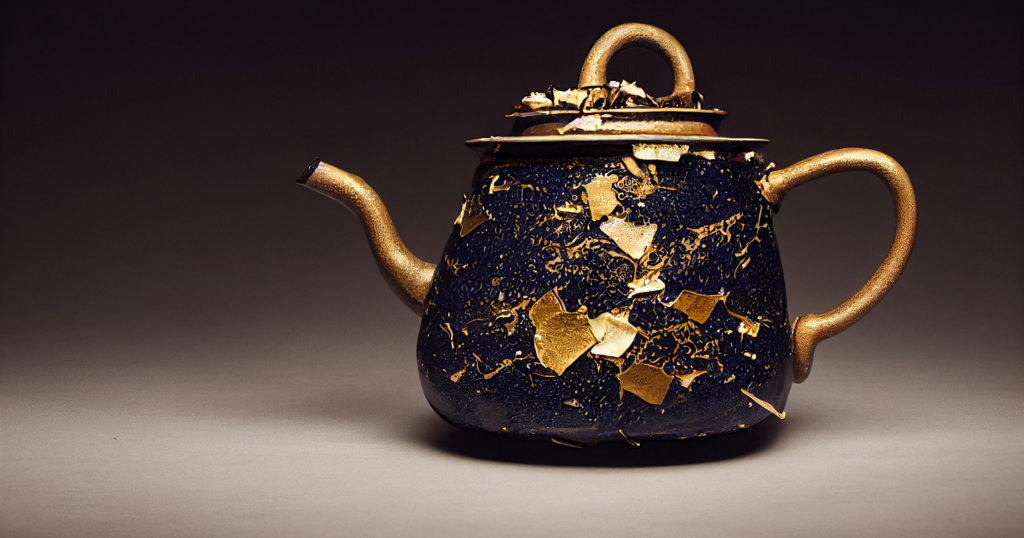
Consider sharing a story about the art of Kintsugi, where broken pottery is repaired with gold or silver lacquer. Instead of hiding the cracks, Kintsugi highlights them, making the piece even more beautiful and unique. This practice teaches children that their own imperfections and challenges can contribute to their personal growth and beauty.
By embracing Wabi-Sabi, grandchildren learn to appreciate the simple things in life, find beauty in the mundane, and develop resilience in the face of adversity.
3. Pura Vida (North America) – “Pure Life”
Origin: Costa Rica
Explanation:
“Pura Vida” is a phrase used widely in Costa Rica that translates to “Pure Life.” It embodies a philosophy of living life to the fullest, appreciating the simple joys, and maintaining a positive outlook even in challenging times. This concept is central to the Costa Rican way of life, influencing their high levels of happiness and well-being.
Pura Vida teaches grandchildren the importance of gratitude, positivity, and living in the moment. It encourages them to focus on the present, appreciate what they have, and approach life with a sense of adventure and openness.
By teaching your grandchildren about Pura Vida, you’re helping them develop a positive mindset, appreciate life’s simple pleasures, and cultivate a sense of gratitude.
These three lessons from different continents—Ubuntu from Africa, Wabi-Sabi from Asia, and Pura Vida from North America—offer valuable insights into living a more connected, accepting, and joyful life. Sharing these lessons with your grandkids not only broadens their cultural understanding but also equips them with timeless wisdom to navigate their own lives with empathy, resilience, and positivity.