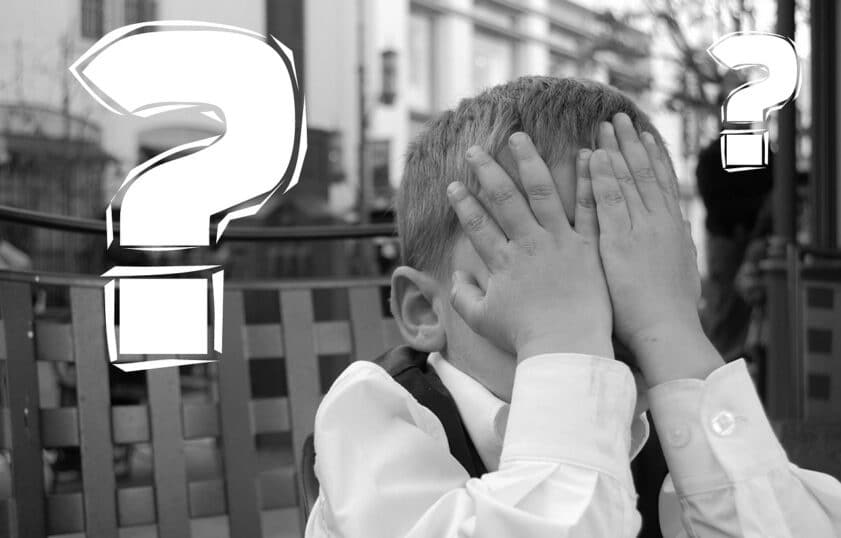
Sometimes, dear friends, it’s not that our grandkids don’t want to understand us; it’s that we make it hard for them to. Not on purpose, of course. Often, our hearts are full of love, but the way we express it or react to things gets lost in translation.
And before we know it, the children who once clung to our hands start to pull away, unsure how to read our moods, our expectations, or even our silences.
So let’s take a kind, honest look at some of the behaviors we grandmothers sometimes fall into — the ones that quietly make it harder for our grandkids to really understand us.
1. When We Expect Them to “Just Know” What We Mean
We’ve lived long enough to believe that certain things should go without saying. We assume they’ll understand that when we sigh, it means we’re disappointed. Or that when we say, “Don’t worry about visiting,” what we really mean is “I wish you would.”
But our grandkids can’t read the language of hints and half-smiles — they take our words at face value. When we leave too much unsaid, they misread us.
If we truly want them to know what’s in our hearts, we have to say it out loud — gently, directly, and with love.
2. When We Show Love Through Worry
Worry is our way of caring. We ask if they’re eating enough, sleeping enough, studying enough, and being careful enough. But when every conversation sounds like a checklist of concerns, they stop hearing love and start hearing pressure.
We mean “I care.”
They hear “You don’t trust me.”
A simple shift helps — replacing worry with warmth:
Instead of “Are you being careful?” try “I love that you’re learning to make your own choices.”
The message is the same, but it lands in their heart instead of bouncing off their defenses.
3. When We Talk More Than We Listen
We have so many stories, lessons, and opinions that we forget conversations aren’t meant to be speeches. Sometimes, we interrupt with advice before they’ve even finished sharing what’s wrong.
Our intentions are good, we just want to help — but they may feel unheard or overpowered.
To them, silence feels like understanding. Listening feels like love. When we give them space to speak freely, even if we don’t agree, we become someone they can open up to again and again.
4. When We Bring Up the Past Too Often
We hold on to memories like precious pearls — the way they used to sit on our lap, the way they once called us every day. But when we constantly compare who they were to who they are now, they feel like they’ve outgrown our approval.
We might say it wistfully — “You used to visit so much more” — but what they hear is guilt.
Let’s try to celebrate who they are now. Love grows best when it’s not competing with yesterday.
5. When We Take Everything Too Personally
Grandkids can be forgetful, moody, or distracted — and we take it as rejection. A missed text can ruin our day, or a brief hello feels like an insult.
But they’re not trying to hurt us; they’re just living in a whirlwind world.
The truth is, our emotional reactions sometimes scare them off. They don’t know how to handle our disappointment, so they keep their distance.
If we can give a little more grace and a little less guilt, they’ll feel freer to come closer again.
6. When We Try to Be Perfect
We think being strong, cheerful, and endlessly patient will make us lovable. But in truth, it makes us unreadable.
Our grandkids can’t understand us if we never let them see our human side — our sadness, our frustrations, even our mistakes.
Letting them see us cry or admit we were wrong helps them realize love doesn’t have to be flawless. It just has to be real.
7. When We Expect Them to Understand Our Silences
Sometimes, we go quiet to avoid conflict. Maybe they said something that hurt, or their choices scare us — so we withdraw, thinking they’ll notice.
But to them, silence feels like distance, not love. They don’t always realize that silence is our way of protecting the relationship.
When something matters, it’s kinder to find the courage to speak — even softly. Silence rarely teaches; it only confuses.
8. When We Hold Onto Old Offenses
We may tell ourselves we’ve let things go, but our tone and our eyes tell another story.
We remember the time they forgot our birthday or the words they said in anger. And though we don’t bring it up directly, it lingers.
Our grandkids feel the tension but can’t name it, only that “Grandma seems distant lately.”
Forgiveness doesn’t mean forgetting; it means freeing both of us to love again without the shadow of what’s already over.
9. When We Use Comparison as Motivation
“Oh, your cousin calls me every week.”
“You know, when I was your age, I’d never talk to my elders like that.”
We think comparison will inspire them, but instead, it makes them feel small and misunderstood.
Our grandkids want to be seen for who they are, not measured against who someone else is.
Encouragement always builds bridges faster than comparison builds fences.
10. When We Try Too Hard to Stay in Control
We’ve spent a lifetime guiding children, managing families, and holding things together. It’s hard to stop.
But when we try to control too much, from how they dress to how they parent their own kids, they pull away. Not because they don’t love us, but because they need to feel trusted.
Sometimes, the deepest form of love is letting go a little, showing them that we believe in their ability to find their own way.
💛 The Heart of It All
Most of the time, we grandmothers don’t mean to be misunderstood. We mean to love deeply, protect fiercely, and pass down wisdom.
But love, when wrapped in worry or coated with silence, becomes hard for young hearts to recognize.
Understanding flows best when we slow down, soften our words, and let our hearts show through, not through perfection, but through patience, honesty, and presence.
Because one day, when they’re older and looking back, our grandkids won’t remember whether we agreed on everything. They’ll remember that even when it was hard to understand each other, we never stopped trying. ❤️