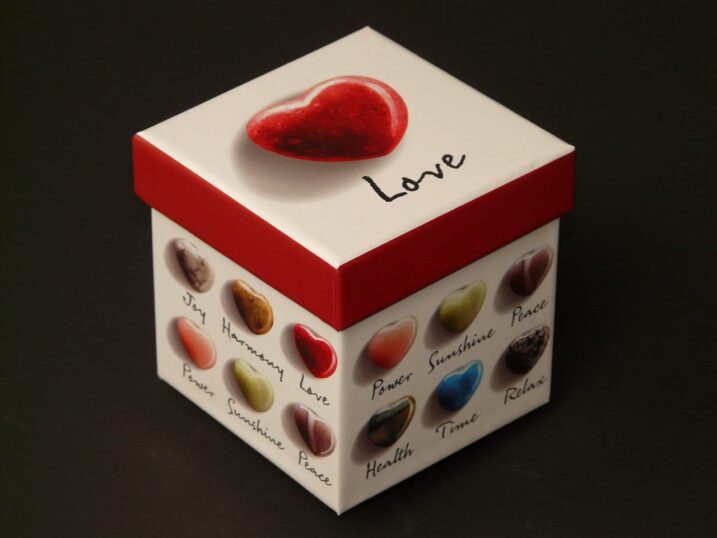
As grandmothers, we collect more than just things—we gather love, memories, wisdom, and stories that we dream of passing on to our grandkids. We’ve held onto baby shoes, favorite books, wedding photos, handwritten recipes, and letters—each one holding a story that made our life what it is. The question is, how do we store these treasures in a way that preserves them, protects them, and ensures that one day, our grandchildren will hold them in their hands and feel all the love we put into them?
It’s not just about organizing—it’s about preserving our legacy with care and intention. So here are the best ways we grandmothers can store all the things we’d like to hand over to our grandkids—whether it’s next year or years from now.
1. Create a Legacy Chest Full of Meaning
Every grandma needs her own treasure chest—a special trunk or box where the most sentimental keepsakes are safely tucked away. This chest can hold baby blankets, first photos, wedding invitations, or old letters exchanged between loved ones. Add in your grandchild’s name on the inside lid with a loving note from you. You can even use dividers or pouches inside the chest to separate items by theme: family, recipes, milestones, or traditions.
Wrap fragile items in soft cloths or tissue, and consider adding a short handwritten description of each item’s story. When the day comes to pass it on, your grandchild won’t just receive “things”—they’ll receive your story.
2. Use Acid-Free Boxes for Paper Keepsakes
Paper is fragile, especially over decades. If you’re saving old letters, greeting cards, newspaper clippings, certificates, or drawings from when your grandkids were little, use acid-free boxes or folders. This protects them from yellowing, smudging, and decay. Store them in a dry, cool space, away from direct sunlight.
Label each box clearly and keep a little “table of contents” inside with a list of what’s in it. You could even tuck in a note with each bundle sharing why you saved it. It’s amazing how a child’s drawing becomes a time capsule with just a few words from Grandma explaining what it meant to her.
3. Start a Digital Memory Drive
Times have changed, and now some of the most meaningful memories come in digital form. Create a digital folder on your computer or a flash drive filled with scanned photos, voice recordings, family videos, or typed-up stories. You can even include a folder called “Grandma’s Voice” where you record little audio messages or bedtime stories.
For extra safety, save a backup in cloud storage (like Google Drive or Dropbox) and include a note in your will or journal explaining how your grandchild can access it. One day, hearing your voice or watching a family picnic video will mean more to them than you can imagine.
4. Keep a Journal Just for Them
A handwritten journal might be the most heartfelt thing you’ll ever give. Write in it whenever inspiration strikes—thoughts about your grandchild as they grow, your favorite memories together, words of encouragement, or lessons you’ve learned in life.
Include prayers, poems, or family sayings. You can even paste in small photos, pressed flowers, or newspaper clippings. One day, your grandchild will treasure your handwriting and feel as if you’re sitting right beside them as they read.
5. Create a Recipe Binder with Personal Notes
There’s magic in a grandma’s cooking, and those recipes deserve to live on. Create a binder of your favorite dishes—whether hand-written or typed out and printed—and include little notes on each one.
For example, “This chocolate cake was your grandpa’s favorite—he always asked for it on his birthday.” Or “We used to make these cookies every Christmas Eve with your mom and uncle—yes, the kitchen was a mess!”
You can also scan the whole binder and save it digitally for safe keeping or to share with multiple grandkids.
6. Label Heirlooms and Treasures
A beautiful teacup, brooch, or old watch might be easily overlooked if no one knows where it came from or why it’s important. Attach small tags or notes explaining the story behind each item. Was it worn at your wedding? Was it passed down from your grandmother?
Labeling things with dates, names, and occasions gives context—and makes each item part of a living family history, not just a mystery on a shelf.
7. Use a Fireproof and Waterproof Safe
Some items are simply irreplaceable—birth certificates, military medals, old passports, your wedding license, your grandchild’s first drawing. For those, it’s worth investing in a safe that protects from fire and water damage.
You can also include USB drives or SD cards with your digital memories here. Add a printed letter explaining what’s inside and why these items matter. One day, opening that safe will feel like unlocking part of your soul.
8. Make a Time Capsule
This is such a fun way to pass things down. Use a box, container, or jar to store small treasures: a letter to your future grandchild, a newspaper from their birth year, a current photo of you together, a favorite perfume bottle, or a toy from their childhood.
Seal it with a note that says something like “To Be Opened On Your 18th Birthday” or “When You Have Your First Child.” It’s a joyful surprise for the future—and a memory you’ll be part of, even if you’re not physically there.
9. Create a Family Story Binder
So much of our identity is wrapped up in where we come from. Use a simple binder to share your family history. Include stories about your parents and grandparents, your childhood home, how you met your spouse, and what life was like when you were young.
Add photos, family tree diagrams, and even funny family stories. Your grandchild may not appreciate it right away—but one day, it’ll become a cherished reference to understand who they are and where they came from.
10. Designate a Keepsake Drawer for Regular Visits
If you’re lucky enough to have your grandkids visit regularly, keep a special drawer or box just for them. Fill it with old coins, costume jewelry, vintage postcards, or photo albums they can flip through.
Let them explore and ask questions. It might look like fun and games to them now, but you’re actually building curiosity, connection, and a lifelong love of family history.
11. Record a Video Diary
You don’t need fancy equipment—just your phone. Record yourself talking about your day, telling a family story, showing how to make a recipe, or simply sharing some advice.
These clips can be saved and passed down digitally, offering your grandchild something very few people have: a window into your expressions, your voice, your laugh, and your wisdom. These moments will be treasured more than any polished photo ever could be.
12. Pass Things Down Slowly, While You’re Still Here
Don’t wait until it’s too late. If you have a necklace you always dreamed your granddaughter would wear on her wedding day, give it to her now. If you’ve got a special pocketknife or book your grandson admired, wrap it up and hand it over with a smile.
Sharing stories in person makes the memory even sweeter—and you get to witness the joy it brings them.
13. Write a “What I Want You to Know” Letter
If you do nothing else, do this: write a letter from your heart. Share what you love about your grandchild, what you admire in them, and the dreams you have for their future. Tell them how proud you are, and how much you love them.
This letter will be reread during their hardest days—and on their brightest ones, too.
In Closing, from One Grandma to Another…
Storing things for our grandkids isn’t just about organizing. It’s about preserving the magic of who we are and what we’ve lived through. It’s about telling our story so they know they’re not walking through life alone—but with the wisdom and love of the generations before them.
One day, they’ll open a box, a binder, a journal—or hear your voice—and feel your love wrapped around them like a warm blanket. And in that moment, they’ll remember not just what you gave them, but who you were.