From one grandma to another – what helps, what hurts, and what we can gently do instead
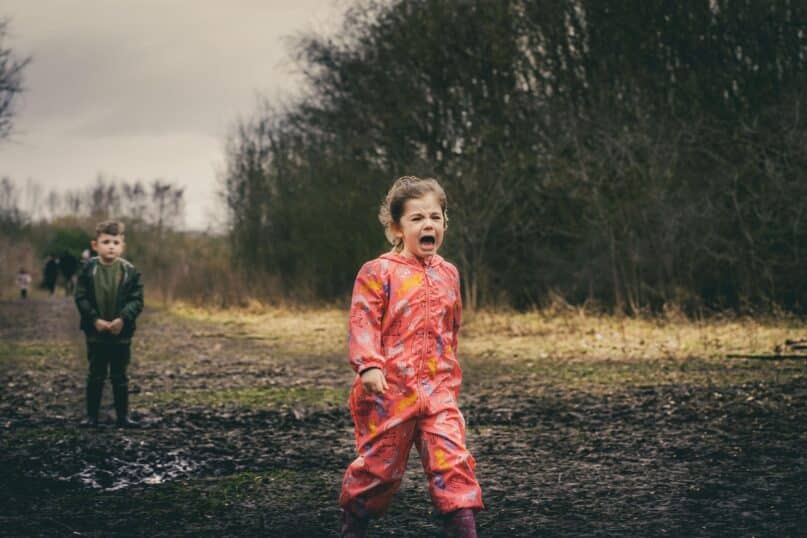
We’ve all been there. One minute your sweet grandbaby is smiling, and the next, they’re in full meltdown mode, tears, shouting, or giving the silent treatment that feels louder than words. Emotional outbursts can feel overwhelming, not just for the child, but for us as grandmothers, too. We love them deeply, so seeing them upset tugs at every string in our heart.
In these delicate moments, our words carry incredible power. The right ones can soothe, support, and guide. The wrong ones — even when said with the best intentions- can make the storm rage stronger.
So let’s take a warm, honest look at what to say and what to avoid when your grandchild is having a tough emotional moment.
🟢 The Best Things to Say
These are the phrases that offer safety, connection, and reassurance — things every grandchild needs when their emotions feel bigger than them.
1. “I’m here for you.”
This simple phrase tells your grandchild they’re not alone. You’re not there to fix it or scold them, just to be with them. That alone can be healing.
2. “It’s okay to feel upset.”
Emotions aren’t bad. They’re just big and sometimes scary for little hearts. Letting them know their feelings are valid gives them permission to feel and begin to process.
3. “Take your time. I’ll be right here when you’re ready.”
Children often need space to cool down, but not abandonment. This tells them, “You can breathe. I’m not leaving.”
4. “Do you want a hug or some space?”
Offering choices helps a child feel a bit more in control, especially when their emotions are making everything feel out of control.
5. “That was a lot, huh? Want to talk about it?”
Once things have calmed down, this gentle check-in opens the door for reflection, without pressure. It’s your way of saying, “I noticed. And I care.”
6. “You’re not in trouble. Let’s figure this out together.”
Sometimes, kids panic thinking they’ll be punished for how they feel. Reminding them you’re on their team helps lower that fear.
🔴 The Worst Things to Say
These are phrases that might slip out when we’re tired, worried, or flustered — but they can leave long-lasting damage on a child’s sense of safety.
1. “Stop crying!”
As grandmothers, we’ve probably heard this ourselves growing up. But it teaches kids to bottle up instead of express, and that their emotions are a problem.
2. “You’re being dramatic.”
Even if it does look dramatic to us, their feelings are real to them. Minimizing it can feel dismissive or even humiliating.
3. “You’re too old for this.”
Every age has its challenges. A 10-year-old may cry just as hard as a 4-year-old, only over different things. Shame won’t speed up maturity — empathy will.
4. “If you don’t stop, I’m leaving.”
Threats of abandonment — even if we don’t mean them — strike fear in a child’s heart. They need to know we’ll stay, not walk away.
5. “You always act like this.”
Labeling or generalizing their behavior can trap a child into thinking they’ll never be better or that we’ve given up hope in them.
6. “You’re embarrassing me.”
We may feel that way in public settings, but voicing it makes the child believe they are the problem, not their behavior. That can damage self-esteem.
💬 What You Can Say Instead (Quick Reference)
| Instead of saying… | Try saying… |
|---|---|
| “Calm down!” | “Take a deep breath with me.” |
| “You’re overreacting.” | “That felt really big, didn’t it?” |
| “You’re being silly.” | “Tell me what’s making you feel this way.” |
| “I don’t want to hear it.” | “I’m listening. You can tell me.” |
| “Go to your room!” | “Do you want a quiet space to reset?” |
🌻 Tips for a Grandma’s Gentle Touch
- Stay calm yourself. Our nervous system affects theirs. If we breathe slowly, speak gently, and stay soft, we become their anchor.
- Don’t take it personally. Outbursts aren’t a sign that they don’t love you. They’re signs of overwhelm, not disrespect.
- Reconnect later. After the storm has passed, revisit with warmth. “That was tough earlier. I’m proud of you for getting through it.”
💗 A Final Word from One Grandma to Another
Remember, dear sister-in-heart, we’re not here to fix every emotion our grandchild feels. We’re here to walk beside them through it. We’ve lived long enough to know life’s ups and downs — and now we get to offer the kind of steady love that says: “No matter what, you’re safe with me.”
And that, more than anything, is what helps little hearts grow strong.