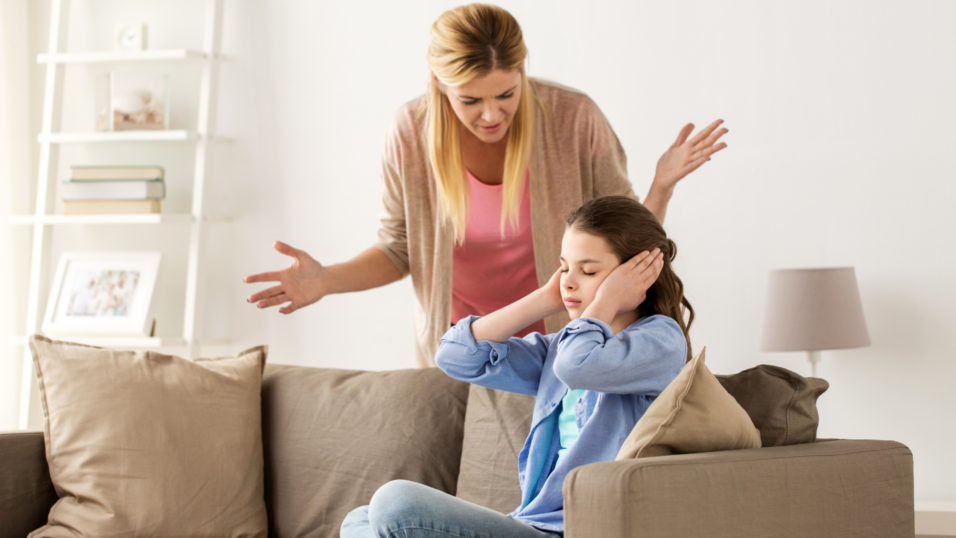
Figuring out what a teenager is feeling can sometimes feel like trying to solve a mystery, especially for grandparents. Teens are at a stage in life where they’re not quite kids anymore, but they’re not fully adults either. They want their space but still need love and support—though they often don’t express it the same way they used to. For grandmothers, this can be a confusing time. A teen who used to be open and chatty might suddenly become quiet or distant, making it hard to know what’s going on in their world.
It’s common for teenagers to be less verbal, especially with family members. Instead of talking about their feelings, they might communicate through their actions—whether it’s a warm hug or pulling away when things feel too close. While these non-verbal signs aren’t always easy to read, they can tell a lot about how a teen really feels about their grandmother, even when words are scarce.
In this article, we’ll chat about some of the little signs our grandkids give us that can say so much, even when they aren’t talking. From those sweet moments, like when they smile or sit close to us, to the times when they seem a bit distant or fidgety, these quiet actions can give us a peek into what’s going on inside. By paying attention to these small things, we grandmothers can keep that special connection with our grandkids strong, even when they’re going through the ups and downs of growing up.
Positive Non-Verbal Actions:
These gestures suggest that your grandchild feels comfortable, loved, and connected to you, even if they don’t say it out loud.
1. Warm Hugs or Sitting Close: Comfort and Security
There’s nothing like the feeling of a teen grandchild giving you a warm, spontaneous hug. When they do, it’s their way of saying they feel safe and loved. Even sitting close without being asked shows they still find comfort in your presence, just like they did when they were little. For teens who are becoming more independent, this closeness means a lot. It’s a quiet, unspoken way of letting you know that you’re still their soft place to land, no matter how old they get.
2. Eye Contact: Respect and Connection
When a teen looks you in the eye during a conversation, it shows they’re really paying attention and care about what you’re saying. It’s their way of showing respect, even if they don’t always verbalize it. Eye contact can also mean they feel close to you, like they trust you and value your thoughts. On the other hand, if they avoid looking at you, it might not be disrespect—it could just be shyness or them feeling unsure about something they can’t put into words.
3. Open Body Language: Openness and Trust
You can tell a lot from how someone sits or moves. When a teen leans in, relaxes, or mirrors your movements, it shows they feel comfortable and open. If they uncross their arms or sit close during a chat, that’s a sure sign they’re willing to listen and share, even if they don’t say much. It means they trust you, and they’re happy to be in your company, knowing they can be themselves around you.
4. Facial Expressions (Smiles): Joy and Affection
There’s nothing sweeter than a genuine smile from a teen grandchild. When they smile at you, especially if it reaches their eyes, it’s a clear sign they feel happy and content being around you. It means they enjoy your company and feel that special warmth that only a grandparent can give. Even a small grin or a playful smirk during a story tells you they’re engaged and find comfort in your presence.
5. Silent Acts of Kindness: Unspoken Love and Care
Teens don’t always say “I love you” as often as they used to, but their actions can be just as meaningful. Simple things, like bringing you a cup of tea or helping you with a chore, are their way of showing care and appreciation. These quiet, thoughtful gestures let you know they’re thinking of you, even if they don’t say it outright. It’s their way of showing love through action, and it’s a beautiful thing to recognize.
6. Politeness and Consideration: Respect and Affection
When a teen shows good manners—like saying “please” and “thank you,” holding doors open, or offering to help—it’s more than just polite behavior. It reflects how much they care about you and value your presence in their life. This courteous behavior shows that they respect you and appreciate the relationship you share. It’s a gentle reminder of the bond you have, and how they want to maintain it with kindness and respect.
Negative (or Concerning) Non-Verbal Actions:
These actions might suggest that your grandchild is feeling distant, overwhelmed, or emotionally withdrawn.
1. Lack of Eye Contact: Discomfort or Emotional Distance
If your grandchild avoids looking you in the eye, it could mean they’re feeling uncomfortable or emotionally distant. Maybe they’re dealing with something they don’t know how to talk about, or they’re feeling a bit shy. It’s not always a bad sign, but it might mean they’re struggling with something internally. When they can’t meet your gaze, it could be a clue that they need a little extra patience and understanding from you.
2. Closed Body Language: Withdrawal or Discomfort
Crossed arms, leaning away, or sitting far off might be their way of saying they’re not feeling comfortable or open to a conversation. This can happen if they’re feeling misunderstood or just not in the mood to engage. If they used to be open with you but now seem more closed off, it might be a sign they’re going through something difficult and are withdrawing emotionally. It’s a cue to give them space but also keep an eye on what might be troubling them.
3. Fidgeting or Restlessness: Nervousness or Anxiety
When teens fidget, tap their feet, or seem restless, it’s often a sign they’re nervous or anxious. Maybe they’re worried about something but don’t know how to bring it up, or they’re just feeling overwhelmed in general. This kind of behavior shows they’re struggling with emotions they can’t quite express. Sometimes, just being there and offering quiet support can help ease their tension.
4. Physical Distance: Need for Independence or Emotional Detachment
Teens often seek more independence as they grow older, so it’s natural for them to create some physical distance. But if they consistently avoid sitting close or seem to pull away when you try to hug them, it might mean they’re feeling emotionally detached or going through something personal. It could just be their way of asserting their independence, but if it’s paired with other distancing behaviors, it’s worth checking in with them gently.
5. Negative Facial Expressions (Furrowed Brow, Tense Jaw): Stress or Frustration
Teens may not always say when they’re stressed or frustrated, but their faces often give them away. A furrowed brow or tight jaw can mean they’re dealing with stress or worry, either about something in their life or possibly something in your relationship. These expressions can be subtle, but they’re worth noticing. Sometimes, just recognizing their frustration and offering a kind word can go a long way in easing their burden.
6. Rude Behavior: Disrespect or Frustration
Rude behavior, like interrupting, rolling their eyes, or speaking sharply, can be more than just a teenage attitude. It might indicate that they’re feeling frustrated, overwhelmed, or disconnected. While it’s important to address rudeness calmly, it’s also crucial to understand that this behavior could be a signal of deeper issues they’re struggling with. Offering a patient ear and gentle guidance can help address both the behavior and the underlying emotions.
Conclusion:
As grandmothers, we know our grandkids sometimes speak louder with their actions than their words. Positive cues—like warm hugs, smiles, and relaxed body language—show us they still feel close and connected, even when they’re not saying it out loud. On the other hand, negative signs—like pulling away or avoiding eye contact—might tell us they’re struggling or need a little space. By paying attention to these small, silent signals, we can keep that special bond strong, no matter how old they get or how much they change. And in the end, we grandmas always find a way to stay connected to their hearts.