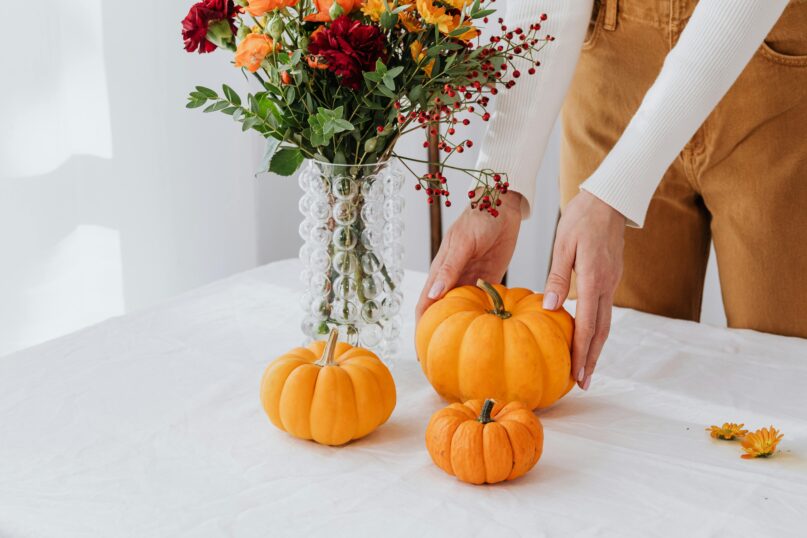
Fall is a magical season for grandmothers and grandchildren to connect through gardening. The crisp air, vibrant leaves, and shorter days create the perfect environment for planting a variety of quick-growing plants and flowers that promise a harvest of joy and learning before winter sets in. Here’s a guide to 10 fast-growing vegetables and herbs, along with 5 vibrant fall flowers, that will make your autumn garden a colorful and bountiful space to enjoy together.
Quick-Growing Vegetables and Herbs
1. Radishes
Radishes are one of the fastest-growing vegetables, making them ideal for young, impatient gardeners. You can see the tiny green shoots sprout within just a few days, and they’re ready to harvest in as little as 4-6 weeks. Radishes come in various colors and shapes, like red, white, and purple, which can make the harvest even more exciting. Let your grandchildren help thin the seedlings once they sprout, teaching them about the importance of giving plants room to grow. When it’s time to harvest, slicing a fresh radish into a salad or enjoying it with a pinch of salt can be a delightful experience for young taste buds.
2. Spinach
Spinach is a cool-weather crop that thrives in the shorter, cooler days of fall. It’s one of the most nutrient-rich leafy greens, packed with vitamins A, C, and K, as well as iron and calcium. Spinach can be grown in both garden beds and containers, making it versatile for any space. In about 4-6 weeks, the leaves will be ready for harvesting. Show your grandchildren how to snip the outer leaves, allowing the plant to continue growing. You can also encourage them to try different spinach recipes, like adding it to smoothies, which might just become their new favorite way to enjoy their greens.
3. Lettuce
Lettuce is another fast-growing crop that thrives in the cooler temperatures of fall. There are many types to choose from, including leaf, butterhead, and romaine, each offering a different texture and flavor. Lettuce seeds are tiny, so they provide a perfect opportunity to teach your grandchildren about precision and patience in planting. The leaves can start to be harvested in as little as 30 days, and because lettuce is a “cut and come again” plant, you can snip what you need and let the plant keep growing. This is a great way to show kids how their efforts keep providing over time.
4. Garlic
Garlic is a unique crop because it requires planting in the fall to be harvested the following summer. Each garlic clove you plant will grow into a full bulb. This long growth period offers a lesson in patience and the rewards of long-term projects. As the garlic begins to sprout green shoots before the winter, it’s a good time to explain how some plants need time to develop underground before they’re ready to harvest. Garlic also helps deter pests in the garden, making it a great companion plant.
5. Carrots
Carrots are a fun crop for kids because they get to experience the surprise of what’s hidden underground. Fall planting allows carrots to develop their roots slowly, resulting in sweeter, crisper carrots. You can choose from a variety of colors beyond the traditional orange, including purple, red, yellow, and white, which adds an element of excitement. Carrots take about 70 days to mature, but thinning the seedlings early on provides an opportunity to discuss plant spacing and growth. When it’s finally time to harvest, the thrill of pulling a perfectly formed carrot from the soil is unforgettable.
6. Beets
Beets are an excellent fall crop because they thrive in cool weather and mature quickly. They come in a range of colors, including deep red, golden, and even striped varieties, which can be intriguing for children. Beets can be ready to harvest in about 50 days, and their greens are edible too, offering a two-for-one crop. Have your grandchildren help with thinning the seedlings, which teaches them about plant care. When it’s time to harvest, roasting the beets together can turn into a fun cooking project, showing kids how gardening leads to delicious meals.
7. Kale
Kale is a hardy plant that actually gets sweeter after a frost, making it perfect for fall planting. It’s rich in vitamins and minerals, which makes it a great addition to any meal. Kale can start being harvested in as little as 30 days for baby leaves, and it continues to produce throughout the cooler months. Because kale is resilient, it’s a great plant for children to learn about the benefits of perseverance. You can also turn kale into fun snacks like kale chips, showing your grandchildren that healthy eating can be tasty and fun.
8. Turnips
Turnips are a versatile root vegetable that grows well in the fall. They’re usually ready to harvest in about 40-60 days, and like beets, both the roots and the greens are edible. Turnips can be a fun way to introduce children to the idea of root vegetables and how they grow underground. Roasting turnips brings out their natural sweetness, which can be a pleasant surprise for kids who might be wary of trying them. Encourage your grandchildren to help in the kitchen by peeling and chopping the turnips for a delicious family meal.
9. Herbs (like parsley, cilantro, or chives)
Herbs are a fantastic choice for quick, easy gardening projects, especially in the fall. They can be grown in small containers, making them accessible even if you don’t have a large garden space. Herbs like parsley, cilantro, and chives thrive in cooler temperatures and can be harvested just weeks after planting. Kids will enjoy snipping fresh herbs to add to their meals, which can make them more interested in cooking and eating healthy foods. Plus, herbs are a wonderful way to introduce children to different flavors and scents.
10. Snap Peas
Snap peas are a delightful crop for children because they’re easy to grow and fun to harvest. They can be planted in early fall and will germinate quickly, often producing their first harvest in about 60 days. Snap peas can be eaten straight off the vine, which makes them a great snack for little ones while they’re playing in the garden. Teach your grandchildren how to gently pick the peas and maybe even create a little trellis together for the vines to climb, adding another layer of hands-on involvement.
Fast-Growing Fall Flowers
1. Pansies
Pansies are one of the most popular fall flowers, known for their vibrant colors and heart-shaped petals. They are incredibly hardy, able to withstand cooler temperatures, and can bloom throughout the fall and even into winter. Pansies can start blooming as early as 6-8 weeks after planting, making them a quick way to add color to your garden. With their “faces” that seem to smile back, pansies are sure to delight your grandchildren.
2. Marigolds
Marigolds are fast-growing, sun-loving flowers that can add a burst of gold, orange, and red to your fall garden. They typically bloom within 6-8 weeks of planting and continue to flower until the first frost. Marigolds are also known for their ability to repel garden pests, which can be a fun fact to share with your grandchildren. The bright colors and the strong fragrance of marigolds make them an exciting plant for kids to care for.
3. Calendula
Calendula, also known as pot marigold, is another fast-growing flower that thrives in cooler weather. It can be planted in early fall and will bloom within 6-8 weeks, producing beautiful yellow and orange flowers. Calendula is not only lovely to look at but also has medicinal properties, which you can discuss with your grandchildren, adding an educational aspect to your gardening activities.
4. Snapdragons
Snapdragons are charming flowers that bloom quickly and add vertical interest to your garden with their tall, spiky stems. They can be planted in the fall and start blooming within 8-10 weeks. Snapdragons come in a variety of colors, from pastel pinks and yellows to bold reds and purples. Children love the “snapping” flowers, which open and close like a dragon’s mouth when pinched gently—a fun feature that can engage their imagination.
5. Sweet Alyssum
Sweet Alyssum is a low-growing, fragrant flower that produces clusters of tiny white, pink, or purple blooms. It’s a fast bloomer, often showing flowers within 4-6 weeks of planting. Sweet Alyssum is perfect for borders, rock gardens, or even as a ground cover. The sweet fragrance and delicate appearance of the flowers make them a lovely addition to any garden, and they can attract beneficial insects like bees and butterflies, providing another opportunity to teach your grandchildren about the natural world.
Combining Vegetables, Herbs, and Flowers
Mixing quick-growing vegetables, herbs, and flowers in your garden can create a beautiful, productive space. Flowers like marigolds and calendula not only add color but also help deter pests, making them great companions for your veggie garden. Planting a mix of these plants with your grandchildren can teach them about the importance of biodiversity and how different plants work together in nature.
Tips for Gardening with Grandchildren
- Keep it simple: Choose plants that are easy to grow and manage. Quick-growing plants keep children engaged and make the experience rewarding.
- Let them get dirty: Encourage children to dig, plant, and water without worrying about getting messy. It’s all part of the fun.
- Teach as you go: Use the gardening process to teach kids