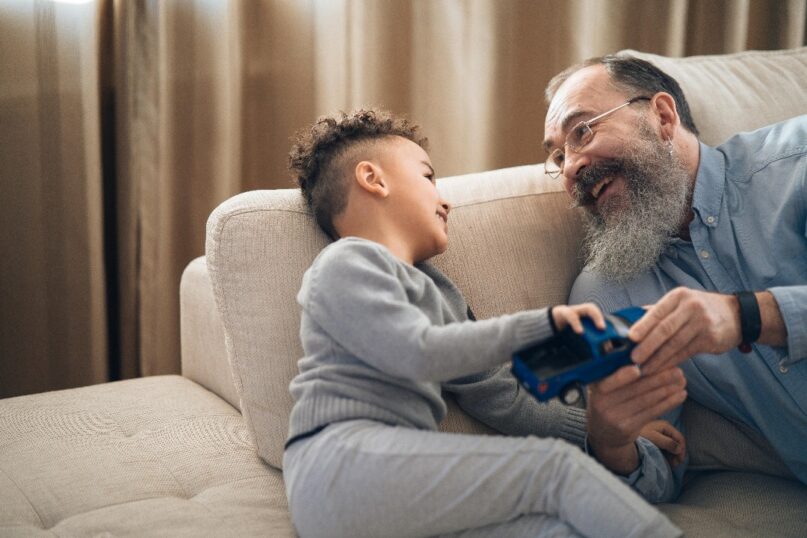
As grandmothers, we are blessed with a unique perspective. We’ve lived through the seasons of life, watched our own children grow, and now, we have the joy of watching a new generation rise before our eyes. But even though we have the wisdom of experience, it doesn’t mean we stop caring or worrying. In fact, if anything, our hearts become even more tender when it comes to our grandchildren.
It’s important to remember that growth isn’t just about inches on the wall or shoe sizes increasing. Growth happens in the heart, mind, body, and spirit. And as grandmothers, there are certain areas of a grandchild’s development where our quiet guidance, love, and support can make all the difference.
Here are the key areas of your grandchild’s growth that you should be most concerned about — and beautifully involved in — as a grandmother:
1. Emotional Growth
A grandchild’s emotional health is the soil from which all other parts of life grow. Children need to feel safe, loved, and understood to thrive.
- Pay attention if they seem overly anxious, unusually angry, or very withdrawn.
- Be a safe harbor — someone who listens more than lectures.
- Encourage them to talk about their feelings, even the hard ones, without fear of punishment or judgment. Grandmothers have a special way of calming emotional storms. Even just your consistent presence can provide security that helps a child grow emotionally strong.
2. Moral and Character Development
The world changes, but the importance of strong character never fades.
- Are they learning to tell the truth even when it’s hard?
- Do they understand fairness, generosity, patience, and courage? Our grandchildren learn best through stories — both the ones we tell them and the ones we live out in front of them. Telling them about times you made mistakes and what you learned can often stick with them more than a long lecture ever could.
3. Social Skills and Building Friendships
Children are constantly learning how to interact with others, and not every lesson comes easily.
- Are they able to make friends and keep them?
- Are they learning how to share, compromise, and resolve conflicts? As grandmothers, we can share stories of our own childhood friendships — the good, the bad, and the silly. We can model healthy relationships through how we interact with them and others around us.
Sometimes, something as simple as arranging a little playdate at your house, complete with cookies and crafts, can help a child who struggles socially feel included and valued.
4. Physical Health and Wellness
A child’s body is their lifelong home, and how they care for it now matters greatly.
- Notice if they seem overly tired, sluggish, or disinterested in physical activity.
- Watch for signs of poor nutrition or unusual health issues. Grandmas can naturally weave healthy habits into visits — cooking simple meals together, taking walks, teaching a few gentle exercises, or just encouraging outdoor play. Your influence can nudge them toward habits that serve them for years to come.
5. Intellectual Curiosity and Love of Learning
Intellectual growth isn’t just about doing well in school — it’s about nurturing a love for discovering the world.
- Are they curious about how things work?
- Are they asking lots of “why” and “how” questions? Nurture their wonder! Read stories aloud, ask them open-ended questions, encourage their little experiments, and celebrate their ideas even if they seem far-fetched. Some of the best inventors, scientists, and artists started out as curious kids who had a grandma who listened.
6. Self-Esteem and Confidence
Confidence doesn’t just happen; it grows, one encouragement at a time.
- Watch for signs of your grandchild being too hard on themselves.
- Listen closely if they seem to measure their worth by achievements or appearances.
Offer praise that’s meaningful:
- Instead of saying “You’re so smart,” say “I’m proud of how hard you worked.”
- Instead of “You’re so pretty,” say “Your smile lights up the whole room.”
Remember, when your grandchild hears your voice affirming their value, it becomes a voice they carry inside themselves forever.
7. Resilience and Coping Skills
Life won’t always go their way, and part of growing up is learning how to bend without breaking.
- Watch how they handle setbacks — a lost game, a forgotten homework assignment, a fight with a friend.
- Encourage trying again, learning from mistakes, and seeing failures as stepping stones.
You can share your own stories of times you failed or struggled — and how you got through it. Children need to know that it’s normal to face hard things and that courage doesn’t mean you aren’t scared — it just means you keep going anyway.
8. Spiritual Growth
Whether through faith, gratitude, or simply a sense of awe and wonder, spiritual growth roots children in something bigger than themselves.
- Encourage them to ask big questions about life, meaning, and hope.
- Model prayer, gratitude, acts of kindness, or volunteering in ways appropriate to your family’s traditions.
Children often learn faith not just by hearing it preached but by seeing it lived out — in simple everyday actions of love, service, and reverence.
9. Safety Awareness
Today’s world, with its technology and new risks, can be confusing and overwhelming for children.
- Teach them about boundaries: their bodies, their information, their emotions.
- Encourage them to trust their instincts and always come to a trusted adult when something feels wrong.
Conversations about safety don’t have to be scary. They can be warm, empowering talks where you remind them that their safety and dignity are precious and should be fiercely protected.
10. Dreams and Aspirations
Every grandchild has dreams tucked deep inside — some loud and obvious, others quiet and tender.
- Listen carefully to what excites them.
- Encourage even their wildest dreams — the ones that make you smile and say, “Well, why not?”
Support their talents and interests, even if they don’t match what you might have imagined for them. Sometimes, being the one adult who says “I believe in you” can make all the difference between a dream pursued and a dream abandoned.
A Final Word From One Grandmother to Another
We don’t have to be perfect to have a perfect impact.
We simply need to be present.
By keeping our eyes open to these ten areas of our grandchild’s growth — and gently offering love, wisdom, encouragement, and even correction when needed — we become one of the steady pillars in their lives.
The truth is, children may not remember every toy we bought them, every treat we shared, or every moment we spent together. But they will remember how we made them feel: loved without condition, guided with care, and believed in with all our hearts.
And that, dear friend, is the kind of growth that truly lasts a lifetime.