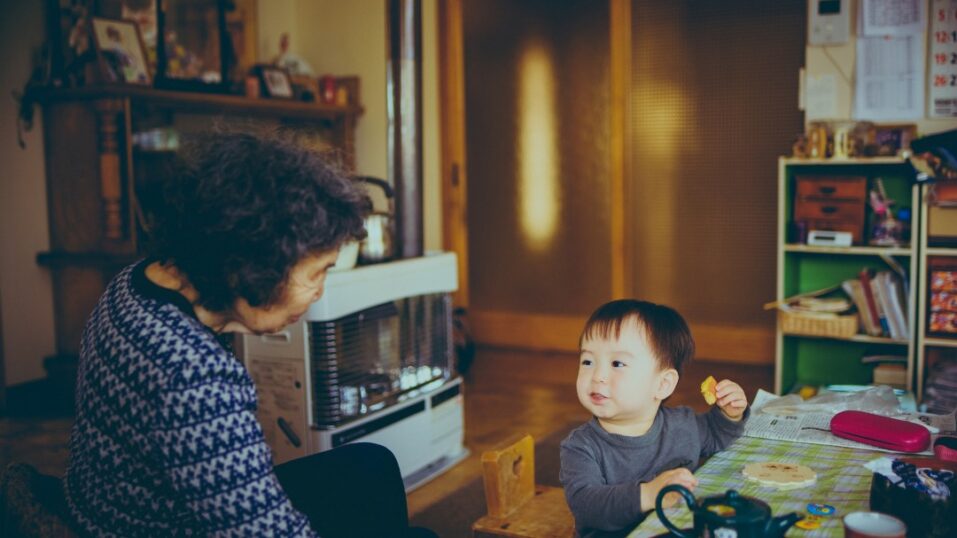
As grandmothers, we naturally want the best for our grandkids. We want to see them grow up happy, healthy, and kind-hearted, and we often spend a lot of time wondering if we’re doing enough—or even too much! But it’s important to remember that there are certain things beyond our control, and not every behavior is a reflection of something we did or didn’t do. Here are 18 grandkid behaviors that we should rarely blame ourselves for.
1. Their Tantrums and Meltdowns
Kids have big emotions in little bodies, and they’re still learning how to handle those emotions. Whether it’s a missed nap, a hunger pang, or just a frustrating moment, tantrums are a part of growing up. As grandmothers, we’re here to comfort them, not to blame ourselves for their outbursts.
2. Their Pickiness with Food
We’ve all been there, trying to serve up a delicious home-cooked meal, only to watch a grandkid turn up their nose. Picky eating is a phase many kids go through, and it often has nothing to do with the cooking. They’re exploring their preferences, and that’s okay!
3. Their Reluctance to Share
Sharing is a skill that takes time to learn, and it doesn’t come naturally to many children. If your grandchild is having a hard time sharing with siblings or friends, remember that this is part of their development. You’re not to blame for their struggles in this area.
4. Their Curiosity About Things They Shouldn’t Touch
Curiosity is the hallmark of childhood, and sometimes kids want to explore things they shouldn’t. They’re still learning about the world, and their boundaries are expanding every day. While we’re here to guide them, we can’t blame ourselves for their curiosity.
5. Their Occasional Rudeness
Kids can sometimes blurt out things that sound impolite, and that’s often because they don’t yet understand social etiquette. Teaching them manners is a gradual process, and an occasional slip-up doesn’t reflect poorly on us.
6. Their Reluctance to Say “Thank You” or “Please”
We remind them about manners, but sometimes kids forget or feel shy. These social niceties take time to internalize. It doesn’t mean we haven’t taught them well—it just means they’re still learning.
7. Their Shyness Around New People
Every child has a unique personality, and shyness is a natural trait for many. If your grandchild hides behind your leg in new situations, it’s not a sign that they’re socially underdeveloped. It’s simply how they process new environments.
8. Their Occasional “I Don’t Like You” Moments
Kids often lash out verbally when they’re upset, and sometimes those words are directed at us. It can sting, but these moments pass. Their emotions are temporary, and so are these little outbursts.
9. Their Difficulty Sitting Still
Children are naturally energetic, especially the little ones! Whether it’s at the dinner table or during storytime, some kids just have a hard time sitting still. It’s part of their nature, and it’s nothing we need to feel responsible for.
10. Their Reluctance to Follow Rules
Every child will push boundaries from time to time. Rules are a new concept for them, and they’re still figuring out how to navigate them. A few rebellious moments don’t mean we haven’t done our part—they’re just learning what it means to live with limits.
11. Their Fears and Phobias
Fears of the dark, monsters under the bed, or loud noises are all common in childhood. We might do our best to soothe them, but we can’t take away every fear. These anxieties are a normal part of their emotional development.
12. Their Attachment to Certain Toys or Objects
Whether it’s a favorite stuffed animal or a blankie, kids often get attached to comfort items. This doesn’t mean we haven’t given them enough security; it’s just their way of feeling safe in a big, sometimes overwhelming world.
13. Their Wild Imaginations
Sometimes kids tell tall tales or talk about imaginary friends, and this isn’t a reflection on our influence. Imagination is a beautiful part of childhood. We shouldn’t worry about their flights of fancy—it’s how they explore their creativity.
14. Their Forgetfulness with Chores
We may remind them to put away their toys or help with little tasks, but it’s easy for kids to get distracted. Their brains are constantly processing so many things, and chores may not be at the forefront. It doesn’t mean we’ve failed at teaching them responsibility.
15. Their Desire to Do Things Independently
There are times when kids will insist, “I can do it myself!” It’s a sign of growing independence, and while it can be frustrating, it’s also healthy. They’re learning to navigate the world on their own terms, and that’s a good thing.
16. Their Occasional Need for Attention
Kids crave attention, and sometimes they might act out to get it. This is part of them learning how to communicate their needs, and it doesn’t mean we’ve neglected them. They just need a little extra reassurance.
17. Their Sibling Rivalry
Sibling disagreements and competition are common in most families. These dynamics are a natural part of growing up with siblings. While we can step in to mediate, we can’t blame ourselves for every squabble.
18. Their Evolving Opinions and Preferences
As kids grow, they start forming their own likes and dislikes. They may suddenly decide they hate broccoli or they’re too old for bedtime stories. It’s part of their journey to discover who they are, and it’s a beautiful thing to witness—even if it sometimes surprises us.
Being a grandmother is a joy, but it also comes with plenty of moments of self-reflection. We may worry about the little things our grandkids do, but it’s essential to remember that many of these behaviors are just natural parts of growing up. Let’s cherish the moments we have with our grandkids, knowing we’re doing our best and that some things are simply out of our hands. After all, we’re here to love, to guide, and to make memories that will last a lifetime