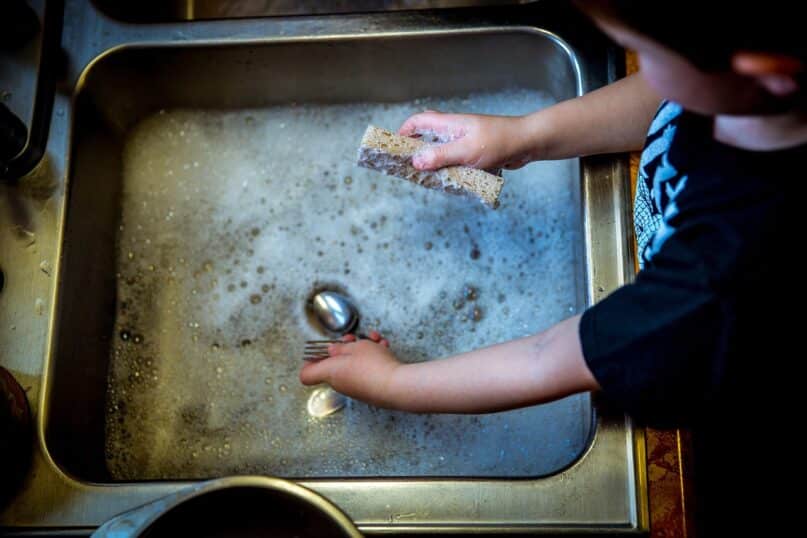
Ah, the age-old battle—getting kids to help out with chores. We grandmothers know that tidying up isn’t just about having a clean house; it’s about teaching responsibility, teamwork, and the satisfaction of a job well done. But convincing grandkids to lend a hand? Well, that takes a little strategy, a dash of creativity, and maybe even a touch of grandmotherly trickery!
Now, younger grandkids can often be persuaded with fun and games, but what about the older ones? Preteens and teenagers tend to be a little less enthusiastic about helping out. They’re busy, they’re independent, and—let’s be honest—sometimes they just don’t want to listen to grandma.
But don’t worry, we’ve got tricks for them too! If you’re tired of hearing, “Ugh, do I have to?” every time you mention chores, here are 15 clever strategies to turn chore time into something they might actually enjoy—or at least tolerate without too much groaning!
For Younger Grandkids (Ages 3-10):
1. Make It a Game
Turn a boring task into an exciting challenge!
- Have a “Speed Cleaning Championship” and time how fast they can complete a task.
- Use “Secret Spy Mode” and have them sneak through the house, cleaning up without getting “caught” (by imaginary spies, of course).
- Assign “chore points” that add up to small rewards (like extra storytime or picking a special activity).
Kids love games, and if there’s a challenge involved, they’ll forget they’re even doing chores!
2. Use a Chore Wheel or Dice
Create a colorful wheel with different chores and let them spin to see what they’ll do. Or write chores on a set of dice—roll and see what task they get! The randomness makes it feel less like an obligation and more like a fun surprise.
3. Sing a Silly Cleanup Song
Try making up a funny cleaning song, or use classics like:
- “Clean up, clean up, everybody, everywhere!”
- Put on an upbeat song and challenge them to finish their chore before it ends.
It’s simple, but effective!
4. Work Alongside Them
Young kids don’t like feeling like they’re doing something alone. If they see you sweeping, dusting, or folding laundry alongside them, they’ll be much more eager to join in.
5. Offer Choices
Instead of saying, “Go clean your room,” try:
- “Would you rather sweep the floor or set the table?”
- “Do you want to dust or help with the laundry?”
When kids have a choice, they feel more in control and are less likely to resist.
6. Turn It Into a Story
Want them to mop the floor? Tell them they’re detectives removing invisible clues. Need them to dust? They’re archaeologists uncovering lost treasure beneath the dust!
Little imaginations go a long way in making chores fun.
For Older Grandkids (Preteens & Teenagers):
Now, let’s talk about the older grandkids. With teenagers, we need to get a little more strategic because they’re not going to fall for pirate voices or silly songs. (If they do, congratulations—you’ve got a rare one!)
7. Appeal to Their Need for Independence
Teenagers don’t like feeling like they’re being told what to do. Instead of framing it as a demand, try saying:
- “Hey, I trust you to take care of this for me.”
- “Would you mind helping me out with this? It would mean a lot.”
Older kids like being treated as responsible individuals, and they’re more likely to step up if they feel respected.
8. Tie Chores to Real-Life Skills
Teens love to feel like they’re learning something useful—especially if it will help them in the real world.
- Show them how doing laundry correctly will keep their favorite clothes from shrinking.
- Teach them to cook a meal, so they’ll impress their future roommates or dates.
- Explain how cleaning skills will make them look responsible when they have their own place.
When they see chores as life prep instead of boring work, they’re more willing to help.
9. Offer Tech Time or Privileges as an Incentive
Not as a bribe, but as a logical step:
- “Once the dishes are done, we can watch that show together.”
- “After you vacuum, I’ll drive you to your friend’s house.”
This method makes chores part of their routine rather than feeling like a punishment.
10. Set a Time Limit
Teens work better when there’s a clear end in sight. Instead of saying, “Clean your room,” say:
- “Set a timer for 10 minutes and clean as much as you can—then you’re done!”
- “Let’s see if we can get this done in 20 minutes so we can relax afterward.”
Short bursts of cleaning feel less overwhelming, and they’re more likely to go along with it.
11. Make Chores a Group Effort
Instead of assigning tasks, make it a team effort.
- Turn on music and do a quick cleanup session together.
- Challenge everyone to finish a certain number of tasks before dinner.
Teens are more likely to join in if it doesn’t feel like they’re being singled out.
12. Use Their Strengths to Your Advantage
Older kids have skills—use them!
- Got a tech-savvy teen? Ask them to help organize digital files, untangle cords, or set up a smart home device.
- Have a physically strong grandkid? Ask them to move heavy boxes or rearrange furniture.
When a task feels like something they’re good at, they’ll take more pride in doing it.
13. Give Them Leadership Over a Task
Teens love to feel in charge. Instead of telling them to help, ask them to take the lead.
- “Could you be in charge of making sure the kitchen is cleaned up after dinner?”
- “I trust you to make the living room look nice before guests come over.”
This works because it plays into their desire to be independent while also making them responsible for the task.
14. Let Them Earn Extra Perks
Older kids love the idea of earning something. Instead of a basic allowance system, offer “Grandma Perks” for extra effort.
- Completing chores without being asked = Extra dessert
- Helping with a big cleaning project = Getting to pick dinner
- Taking initiative = A surprise treat
It’s not about bribing, but about rewarding effort in a way that feels fair.
15. End with Something Fun
Teens might not love cleaning, but they’ll love knowing there’s something fun afterward.
- Plan a special outing or movie night after big clean-ups.
- Promise a baking session after chores are done.
- Let them pick an activity once the house is tidy.
Having a reward at the end makes them more likely to participate without complaining.
Final Thoughts
Whether your grandkids are little or practically grown, the key to getting them to help is to make chores feel less like work and more like part of everyday life. With a little creativity and patience, we can turn these moments into opportunities—not just for a cleaner home, but for bonding, responsibility, and lifelong habits.
And hey, who knows? Maybe one day, they’ll even thank us for teaching them these skills! (Or at least think about thanking us—close enough, right?)
Do you have any tricks that work on your grandkids? Let’s swap ideas!