Ah, 1976—what a year! If you were around back then, you probably remember the atmosphere of change that was bubbling up everywhere. It was a time of bold new beginnings, big ideas, and cultural shifts. Let’s take a trip back to some of the fascinating things that happened that year, starting with one little company that was about to change the world in ways no one could have imagined.
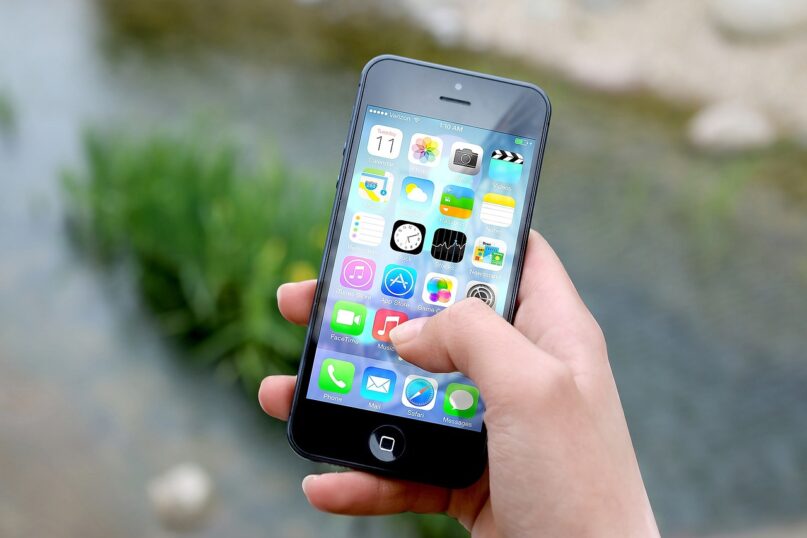
In 1976, a company called Apple was founded in a garage in California. Now, at the time, hardly anyone could have guessed what Steve Jobs and Steve Wozniak were cooking up in that tiny space would turn the world upside down. The personal computer wasn’t really a thing back then; computers were these massive, expensive machines that only large companies or government agencies could afford. But Jobs and Wozniak had a different vision—they wanted to make computers personal, something that regular people could use in their homes. In April of that year, they launched the Apple I, a DIY kit that computer hobbyists could assemble themselves. It wasn’t glamorous, but it was the start of something incredible. Apple would go on to revolutionize technology, bringing us the iPhones, MacBooks, and iPads that so many of us use today. But in 1976, it was just two guys in a garage with a big dream.
And speaking of big moments, 1976 was also the year of America’s Bicentennial celebration. Oh, the excitement! The United States was turning 200 years old, and the entire country was buzzing with patriotism. Parades, fireworks, concerts, and festivals were happening all across the nation. There were reenactments of famous events like the signing of the Declaration of Independence, and people were decorating their homes in red, white, and blue. It felt like the whole country was coming together to celebrate what it meant to be American. The spirit of the Bicentennial wasn’t just about looking back at history—it was also about thinking forward to the future, and what the next 200 years might hold. From big cities to small towns, there was a feeling of unity and pride that made 1976 a truly special year.
On the music front, 1976 gave us some legendary tunes. One of the biggest songs that year was “Hotel California” by the Eagles. You’ve probably heard that opening guitar riff a thousand times—it’s one of those songs that seems to live on forever. The Eagles were already popular, but this song took them to a whole new level. It was haunting and mysterious, with lyrics that everyone seemed to interpret in their own way. Was it about excess? Fame? Some kind of strange, inescapable place? No one could quite agree, but that only made it more intriguing. “Hotel California” became one of the defining songs of the 1970s and still gets played on the radio today.
Of course, 1976 was also the year of the Montreal Summer Olympics. Now, this event had its share of drama, but it also had moments of sheer brilliance. One of the brightest stars to emerge from those games was Romanian gymnast Nadia Comăneci, who stunned the world by becoming the first gymnast in Olympic history to score a perfect 10.0. She was only 14 years old, and her flawless routine on the uneven bars left everyone in awe. People couldn’t believe their eyes—how could anyone be so graceful and perfect at such a young age? Her achievement was one of the highlights of the games, and it made her an instant international sensation. Nadia became a symbol of excellence, and her performance inspired generations of gymnasts to come.
Meanwhile, politics was heating up in the U.S. as the country prepared for the 1976 Presidential Election. The two major candidates were Gerald Ford, the sitting president who had taken over after Nixon’s resignation, and Jimmy Carter, a peanut farmer and former governor of Georgia. Carter was relatively unknown on the national stage, but he ran on a platform of honesty and integrity, which struck a chord with many voters after the Watergate scandal. In November, Carter won the election, becoming the 39th President of the United States. His victory was seen as a fresh start for the country after the turbulence of the early ’70s, and he promised to bring trust and accountability back to the White House.
But that wasn’t the only change happening in the White House in 1976. It was also the year that Barbara Walters made history by becoming the first woman to co-anchor a network evening news program. Walters had already made a name for herself with her insightful interviews, but this was a big step forward in the world of broadcast journalism. Back then, the news was still very much a man’s world, and seeing a woman in such a prominent role was a huge deal. Walters faced plenty of skepticism and criticism, but she pushed through, proving that women belonged at the anchor desk just as much as men. Her career paved the way for future generations of female journalists, and she became one of the most respected figures in television news.
On the cultural side of things, 1976 also saw the release of a little movie called Rocky. Oh, you remember Rocky, don’t you? Sylvester Stallone wrote and starred in this underdog story about a small-time boxer who gets a shot at the big leagues. The film was made on a shoestring budget, but it captured hearts with its tale of perseverance and hope. Who didn’t love seeing Rocky run up those steps in Philadelphia, arms raised in triumph, with that iconic theme song playing in the background? Rocky became a massive hit, winning three Academy Awards, including Best Picture, and launching Stallone into superstardom. The movie’s message that hard work and determination could take you far resonated with audiences everywhere.
And speaking of perseverance, 1976 was also the year when the Concorde made its first commercial flight. The Concorde was a supersonic passenger jet that could fly faster than the speed of sound, cutting travel times in half. It was sleek, futuristic, and represented the cutting edge of technology. The Concorde made transatlantic flights from London and Paris to New York in just a few hours, and it was a symbol of luxury and innovation. Flying on the Concorde was the ultimate status symbol, and it became the aircraft of choice for celebrities, royalty, and business tycoons. While it was eventually retired in 2003, the Concorde remains a legendary piece of aviation history.
So, there you have it—a snapshot of 1976, a year of innovation, celebration, and change. From the birth of Apple to the triumphs of Nadia Comăneci, it was a year that left a lasting mark on history. It was a time when people were looking toward the future with hope and excitement, and when big dreams were starting to become reality. Looking back, it’s clear that 1976 was a turning point in so many ways, and the events of that year continue to shape the world we live in today.