Disclaimer: Devoted Grandma is reader-supported. If you purchase anything through my site, I may receive a small commission (at no cost to you). Thank you.
Yesterday afternoon, you learned, through a neighbor, of all people, that your grandson just made a major life decision: he got engaged. You adore him and his fiancée, but the news hadn’t come directly from him, your son, or anyone else in the family.
You feel a sting of disappointment. Not anger—just a tenderness in your heart that comes from feeling left out of something important.
You don’t want to make the moment about you, but you also don’t want to ignore the feelings bubbling up. The question is: what is the wisest, most loving way to respond?
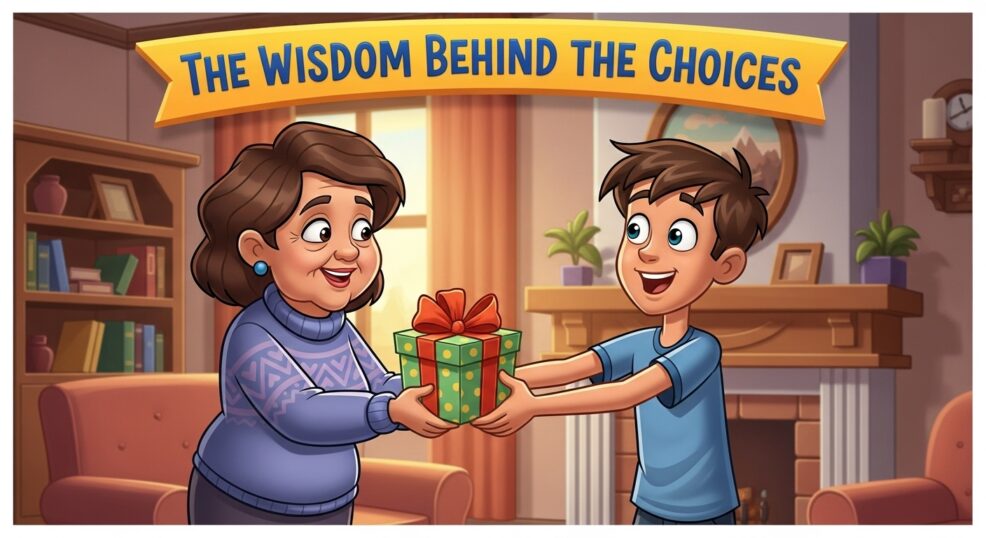
The Wisdom Behind Each Choice
Feeling overlooked is such a human experience, especially for grandmothers, whose hearts hold entire generations at once. When big family news comes to you late, it’s easy to feel as if you’re no longer in the inner circle. But as with any relationship, how you respond can either open a door toward deeper closeness or quietly build distance over time.
Let’s take a warm, honest look at each choice.
Option A: Staying Silent and Swallowing the Hurt
Many grandmothers choose silence because they fear being seen as “dramatic,” “needy,” or “making it about them.” It can feel noble to simply let it go, especially when you want the focus to remain on your grandchild’s joy.
But the trouble with swallowing disappointment is that feelings rarely stay swallowed. They tend to settle in the heart, creating a quiet ache that can grow over time. Left unspoken, that hurt may later show up as withdrawal, resentment, or the sense that “they don’t think of me the way they used to.”
Silence may keep the peace for the moment, but it doesn’t create the kind of healing, honest closeness most grandmothers long for. Connection grows in clarity, not in unspoken wounds.
Option B: Calling Your Grandchild and Pointing Out the Oversight
This option might feel honest, and it is, but honesty without gentleness can sometimes create defensiveness. Approaching your grandson with surprise or disappointment right away may catch him off guard at a joyful time. He may feel blamed or criticized, even if that wasn’t your intention.
Grandchildren, especially young adults, often juggle multiple conversations, multiple families, and their own emotional overwhelm. They don’t usually leave a grandmother out intentionally. But if they sense hurt as the first message they receive from you, they may start avoiding difficult conversations in the future.
Your voice matters, but the framing matters just as much.
Option C: Leading With Love, Then Sharing Your Feelings Softly
(BEST Response)
This approach holds both truth and tenderness: a beautiful combination every grandmother can master.
By first offering heartfelt congratulations, you honor the milestone and reassure your grandson that you are truly happy for him. You create emotional space where his joy stays at the center.
Then, when the time feels right, you gently share how you felt left out, using warm, non-accusatory language:
“I’m so happy for you both. I did want to mention something small, only because I care about us. I heard the news through someone else, and it left me feeling a little out of the loop. I know there’s so much going on, but I always love hearing big news directly from you.”
This kind of honesty deepens relationships rather than straining them. It gives your grandchild an opportunity to understand your heart, and it teaches them something precious: that real love includes communication.
Most grandchildren don’t want to hurt their grandmother; sometimes, they simply don’t realize their choices have an emotional impact. Your gentle truth can help them grow into better communicators while strengthening your bond.
Option D: Speaking to Your Adult Child Instead
Talking to your son or daughter can seem like a safer route, less direct, less intimidating. And in some families, where communication is already mediated through generations, this can work reasonably well.
However, this approach keeps the issue one step removed from the person you ultimately want closeness with: your grandchild. It may also unintentionally spark defensiveness, confusion, or unnecessary family triangulation.
While a private conversation with your adult child might help clarify logistics, it doesn’t nurture the deeper emotional connection between you and your grandchild. It treats the symptom, not the bond.
Why Option C Strengthens the Heart of the Relationship
Option C is the most effective because it does three things beautifully:
- It protects the joy of the moment.
You celebrate first. You honor their happiness before addressing your hurt. - It expresses your feelings in a way that builds connection rather than conflict.
You’re honest, but you’re also warm. You share gently, not sharply. - It models emotional intelligence.
Whether your grandchild is 15 or 35, they learn from the way you handle sensitive moments. Your approach shows them how mature love communicates.
You are not asking for an apology or explanation. You’re offering clarity. And clarity is a gift, it helps your family understand how much you care about being included in their lives.
A Grandmother’s Reflection
Being left out of big family news can stir up old emotions: memories of times you weren’t heard, or fears that you aren’t needed the way you once were. These feelings are real and deserving of compassion.
But they don’t have to steer your responses.
When you respond with warmth, honesty, and grace, you teach your family how to love you well. You also give your grandchild an opportunity to step toward you with greater sensitivity and understanding.
The truth is, families rarely leave grandmothers out intentionally. Life simply gets busy, and big moments move quickly. But your gentle, thoughtful communication can create new habits—ones that keep you more connected, more included, and more cherished.
And that, dear grandmother, is the quiet power you hold.